
Scoliosis in children is often first noticed as subtle posture changes, like uneven shoulders or a slight curve in the spine, especially during growth spurts. While it may not cause pain early on, it can progress over time if left unmonitored. The key isn’t just spotting the curve—it’s understanding how it’s developing and supporting your child with the right guidance to manage it effectively.
Quick Overview on Scoliosis Physiotherapy Treatment
Hearing that your child may have scoliosis can feel worrying at first. The good news is that many cases can be managed well with early guidance and the right support.
Scoliosis physiotherapy treatment is a personalised, exercise-based approach that helps children and young adults manage the effects of a curved spine. Treatment focuses on improving posture, strength, movement control, and confidence during important growing years. Specific scoliosis exercises like the Schroth method also aim to minimize curve progression.
In Singapore, scoliosis is often identified through school screening. Depending on your child’s age, curve severity, and stage of growth, treatment may involve monitoring with a specialist, physiotherapy, bracing, or surgery.
Physiotherapy sessions typically last 45 to 60 minutes. Many programmes also include simple home exercises to support progress between visits.
The most important thing for parents to know is this: a scoliosis diagnosis does not automatically mean severe prognosis. With the right plan, many children continue to grow, move, and stay active confidently.
What is Scoliosis?
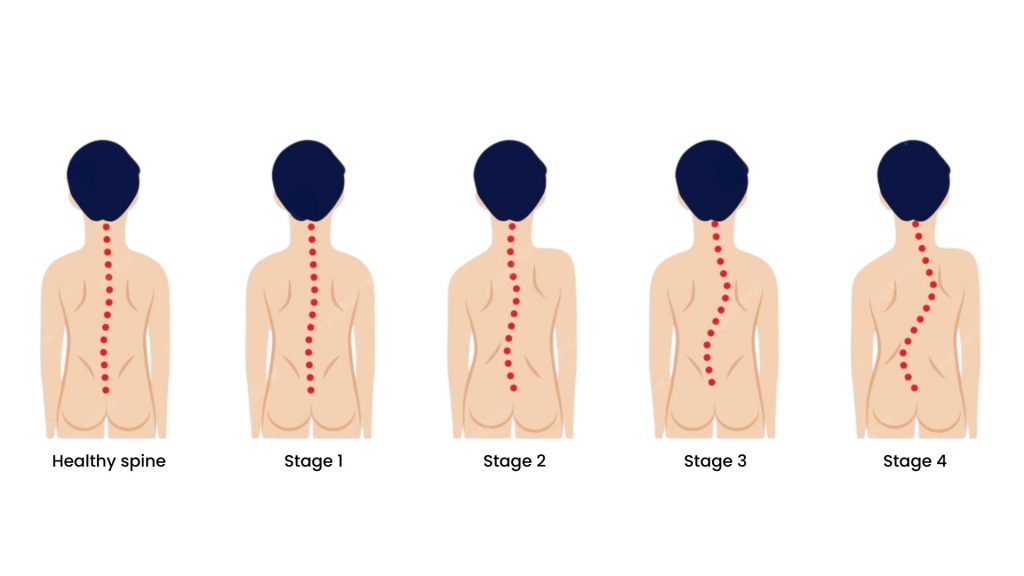
Scoliosis is a condition where the spine curves sideways and rotates. Instead of appearing straight when viewed from the back, the spine may form a gentle “C” or “S” shape. A hump may also be seen when the child bends forwards. The degree of curvature can range from mild to more significant.
In many children, scoliosis develops during the growth years, especially during adolescence. This is called adolescent idiopathic scoliosis. This is why scoliosis is often first detected during school screening in Singapore, or when parents begin to spot subtle posture changes at home. In Singapore, school screening occurs annually from 11 to 14 years old.
Many children with scoliosis do not experience pain in the early stages, which means it can go unnoticed unless changes in posture or alignment are picked up early.
What Signs Should Parents Look Out For?
Parents are often the first to notice that something looks slightly different.
Common signs of scoliosis may include:
- Uneven shoulders
- One hip appearing higher than the other
- Clothes hanging unevenly
- A more prominent shoulder blade
- Leaning slightly to one side
- A rib hump when bending forward
- Changes in standing posture over time
These signs do not always mean scoliosis, but they do warrant assessment, especially during rapid growth phases.
Why Early Guidance Matters
Not every child with scoliosis will require intensive treatment. Some mild curves remain stable and only need minimal intervention.
However, scoliosis can change rapidly during puberty and growth spurts. Early guidance helps families understand:
- Whether the curve needs close monitoring
- Whether physiotherapy or bracing is required
- Whether referral to a specialist is needed
- What to watch for as your child grows
Early assessment is not about panic; it is about clarity.
What Are the Treatment Options Available in Singapore?
Scoliosis treatment is tailored to each child. The right approach depends on age, remaining growth, curve severity, symptoms, skeletal maturity and whether the curve is progressing over time.
Many children do well with conservative, non-surgical management.
Observation (Monitoring)
For mild curves, active intensive treatment may not be needed immediately.
Treatment may include:
- Scheduled follow-up reviews
- Repeat X-rays if advised by specialist
- Monitoring during puberty or growth spurts
- Watching for visible posture changes
- A simple home exercise programme designed by a trained physiotherapist
Many mild cases remain stable with regular follow-up.
Physiotherapy
Physiotherapy is commonly used to support posture, strength, movement control, and body awareness. Scoliosis specific exercises also minimize curve progression over time.
Treatment may include:
- Scoliosis-specific exercises such as the Schroth Method
- Core and trunk strengthening
- Postural retraining
- Flexibility and mobility work
- Breathing exercises where appropriate
- Home exercise guidance
Sessions are usually 45 minutes.
Bracing
Bracing may be recommended for children who are still growing and have curves with a higher risk of worsening.
The goal is to help reduce progression while the spine is still developing.
Braces are usually worn for specific hours each day, depending on medical advice.
Specialist (Orthopaedic) Care
Children with scoliosis are usually monitored by an orthopaedic spine specialist.
This may involve:
- Detailed imaging
- Ongoing specialist review
- Bracing decisions
- Physiotherapy referral
- Surgical discussion where clinically necessary
Most scoliosis treatment plans are managed progressively rather than through one immediate solution. A timely assessment, followed by regular reviews, helps ensure your child receives the most appropriate support at each stage of growth and development.
Understanding the Schroth Method for Scoliosis
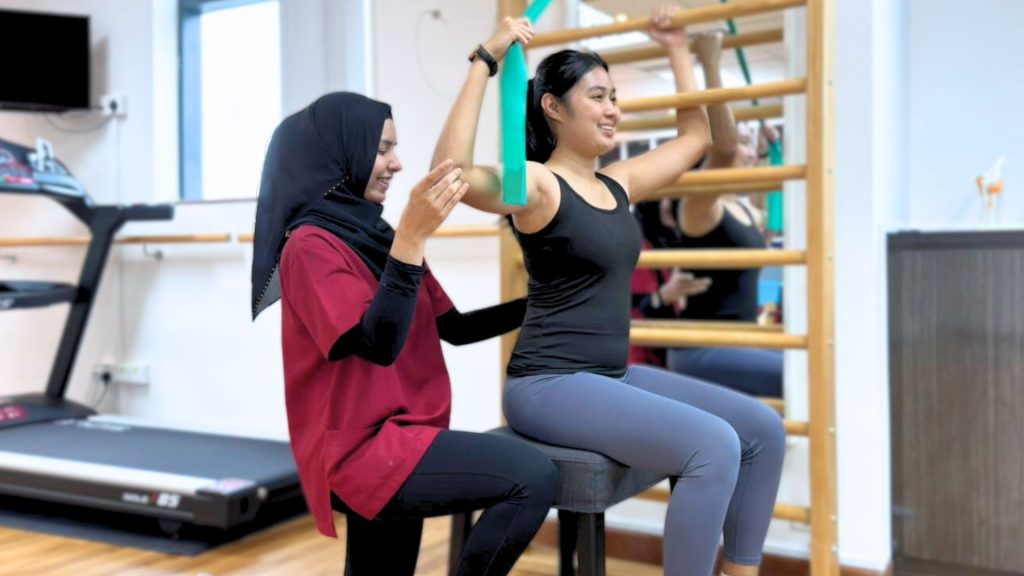
The Schroth Method is a specialised physiotherapy approach designed specifically for scoliosis.
It uses customised exercises based on the individual’s curve pattern, posture, and spinal rotation. Unlike general exercise programmes, Schroth exercises are selected according to how the spine curves in each child.
What Does the Schroth Method Focus On?
A Schroth-based physiotherapy programme may include:
- Postural correction to encourage better spinal positioning
- Breathing techniques to improve rib cage expansion and trunk awareness
- Muscle activation to strengthen weaker areas and reduce imbalance
- Body awareness training to help your child recognise and correct posture in daily life
- Curve-specific exercises based on the child’s scoliosis pattern
Who Can Benefit from the Schroth Method?
The Schroth Method is commonly used for:
- Children and teenagers with scoliosis during growth years
- Patients who are being monitored and want proactive support
- Those wearing a brace who need exercises alongside brace treatment for more effective curve control
- Adults with scoliosis-related posture concerns or discomfort and pain
What Happens During a Schroth Session?
Sessions are guided one-to-one by a trained physiotherapist. Your child may learn specific standing, sitting, lying, or breathing exercises that are repeated with proper technique.
Because consistency matters, home exercises are usually prescribed between sessions.
Is the Schroth Method a Cure?
The Schroth Method is not a guaranteed cure or instant fix, but it can be a valuable part of scoliosis management. Its goal is to help improve posture, function, strength, and confidence while supporting long-term spinal health.
How Do I Know If My Child Needs Physiotherapy?
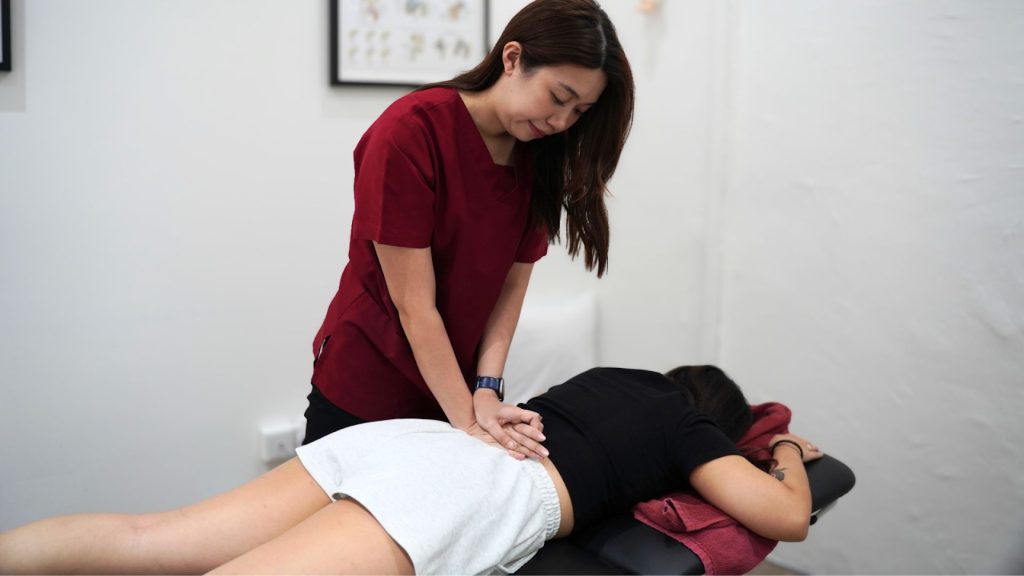
Many parents are unsure whether physiotherapy is necessary, especially if the scoliosis appears mild or their child is not in pain.
Physiotherapy is worth considering if:
- Your child has been flagged during a school scoliosis screening
- You notice uneven shoulders, hips, or posture changes
- Your child complains of back discomfort, tightness, or fatigue
- They spend long hours sitting for schoolwork or screen time
- They seem less confident with movement, sports, or physical activity
- You have been advised to monitor the condition but want more proactive support
- You want clearer guidance instead of simply taking a “wait and see” approach
- Your child has been diagnosed with scoliosis
Even in milder cases, physiotherapy can be helpful. It supports better posture, body awareness, strength, and movement habits during important growth years.
For many families, the biggest benefit is having a clear plan—knowing what to do now, what to monitor, and how to support your child as they grow.
What Actually Happens During Physiotherapy for Scoliosis?
A good scoliosis physiotherapy session is much more than simply “doing exercises.” It is a personalised programme designed around your child’s age, growth stage, posture, and spinal curve pattern.
The aim is to help your child move better, build strength, and develop healthier habits as they grow.
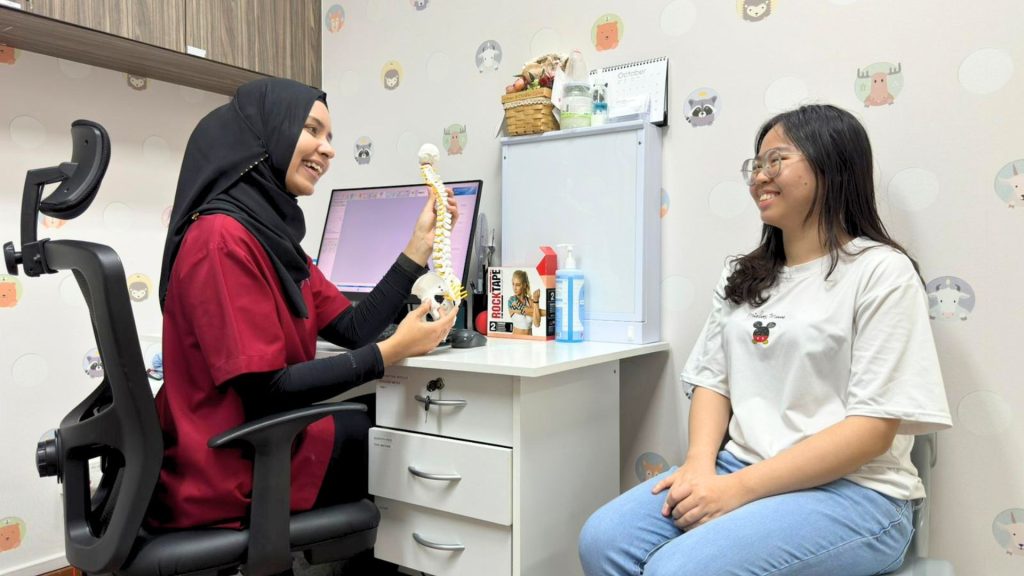
During the First Session
The first visit is usually more detailed so the physiotherapist can understand your child’s needs fully.
This may include:
- Assessing posture, spinal alignment, and body symmetry
- Looking at how your child sits, stands, walks, and moves
- Checking flexibility, strength, and movement control
- Asking about school habits, sports, screen time, and any discomfort
- Reviewing scans, reports, or doctor recommendations if available
- Explaining the findings clearly to both parent and child
During Follow-Up Sessions
Your child will go through:
- Specific exercises based on their curve pattern
- Posture correction and body awareness training
- Strength work (especially core and back muscles)
- Breathing exercises if needed
- Guidance on daily habits (e.g. sitting posture, school bag use)
You’ll also be given a simple home exercise routine, usually around 10 - 20 minutes a day, so progress continues outside the clinic.
What Results Can Parents Realistically Expect?
It’s important to set the right expectations.
Physiotherapy is not about quick fixes—it’s about long-term management.
With consistent effort, many children can:
- Improve their posture and body awareness
- Feel less tired or uncomfortable during daily activities
- Move more confidently in sports and school
- Develop stronger core and back muscles
- Better understand their own condition
- Management of the curve progression
For parents, the biggest benefit is often clarity and reassurance—knowing what to watch, what to do, and when to seek further help.
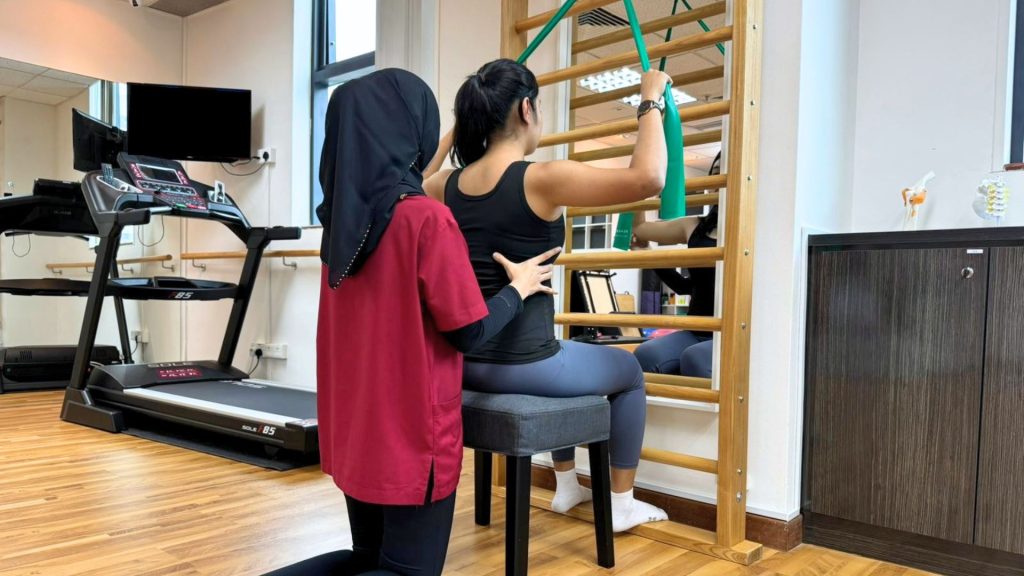
What Happens If Scoliosis Is Left Unmanaged?
Not every case will worsen—but some can, especially during growth spurts.
Without proper guidance, families may:
- Miss signs of progression
- Rely on random online exercises that are not suitable
- Feel unsure about when to act
- Experience unnecessary stress or confusion
Early guidance doesn’t mean over-treatment—it means being prepared and informed.
Frequently Asked Questions on Physiotherapy for Scoliosis
- Is scoliosis painful for children?
Not always. Many children feel no pain at all, which is why screening is important.
- Will my child outgrow scoliosis?
Scoliosis does not simply disappear, but mild cases may remain stable. Growth is the key period to monitor.
- How often does my child need physiotherapy?
This depends on the case and the risk of progression, but many children start with sessions every 1 - 4 weeks, with home exercises in between. It usually takes 4 - 6 sessions to build up a proper home exercise programme.
- Can my child still play sports?
Yes, in most cases. Staying active is encouraged, with some guidance if needed on appropriate activities.
- Do we need a doctor before seeing a physiotherapist?
Not always, but if your child has already been referred or has scans, it helps guide treatment.
Taking the Next Step With Confidence
Hearing that your child may have scoliosis can feel overwhelming—but in Singapore, you’re not navigating it alone.
With early detection through school screening and the right support, most families can take a calm, structured approach to managing the condition.
Scoliosis physiotherapy treatment plays an important role in helping children move better, build strength, and stay active and confident as they grow.
If your child has been flagged for scoliosis or you’ve noticed changes in their posture, it may be helpful to get a clearer assessment.
At Women & Children Centre, our team works closely with families to provide personalised physiotherapy plans—so you know exactly what to do next, without the guesswork.
Ready to feel better?
Book a consultation with our physiotherapy team for an assessment tailored to you.