
Paediatric Podiatry Services
Paediatric podiatry conditions and treatments offered at Women & Children Centre in Singapore.
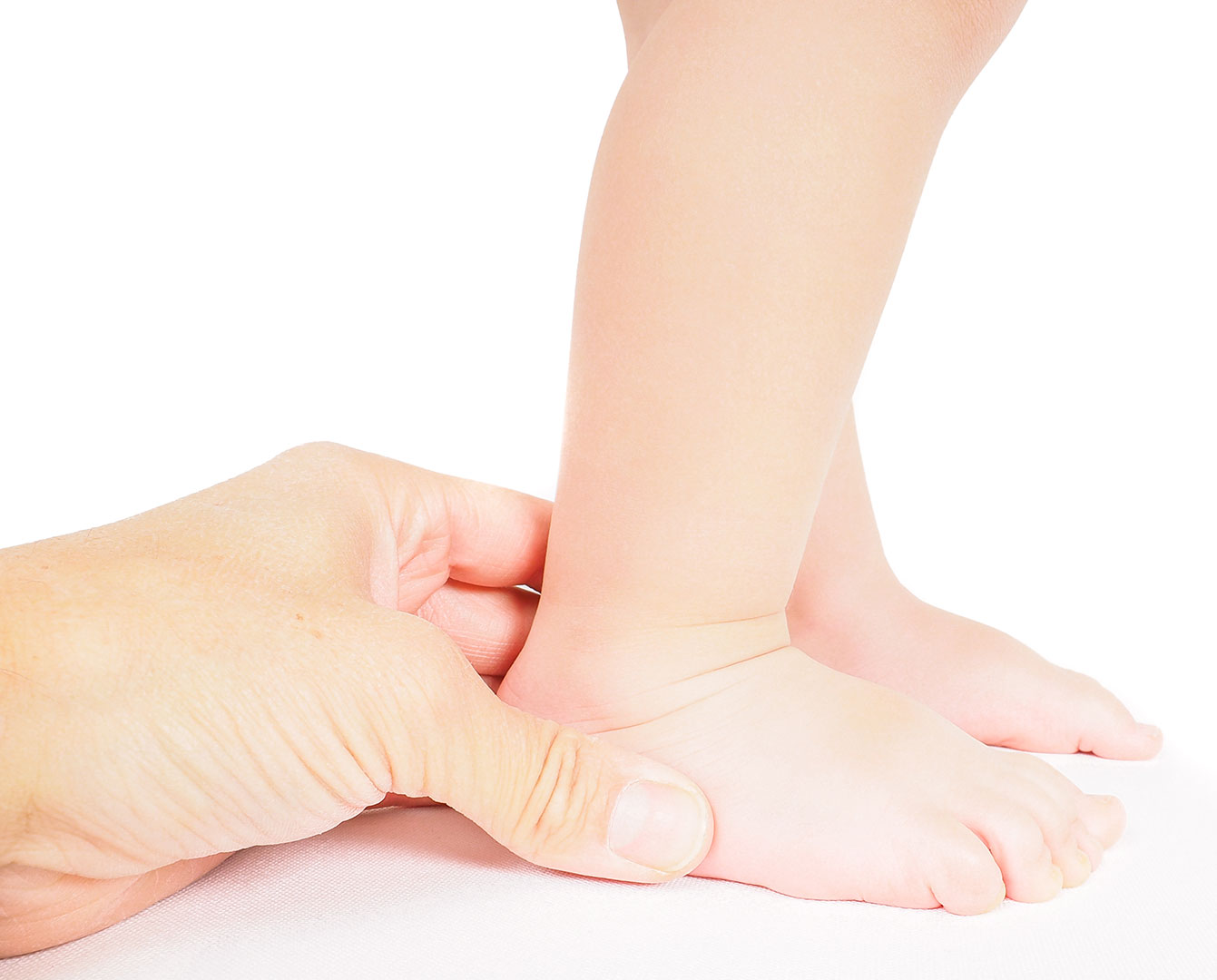
Flat Feet
“Fallen arches” or “pes planus” occurs in approximately 20-30 percent of the population. Infants’ feet do appear flat as the arch has yet to be formed due to low muscle tone and weak ligaments.
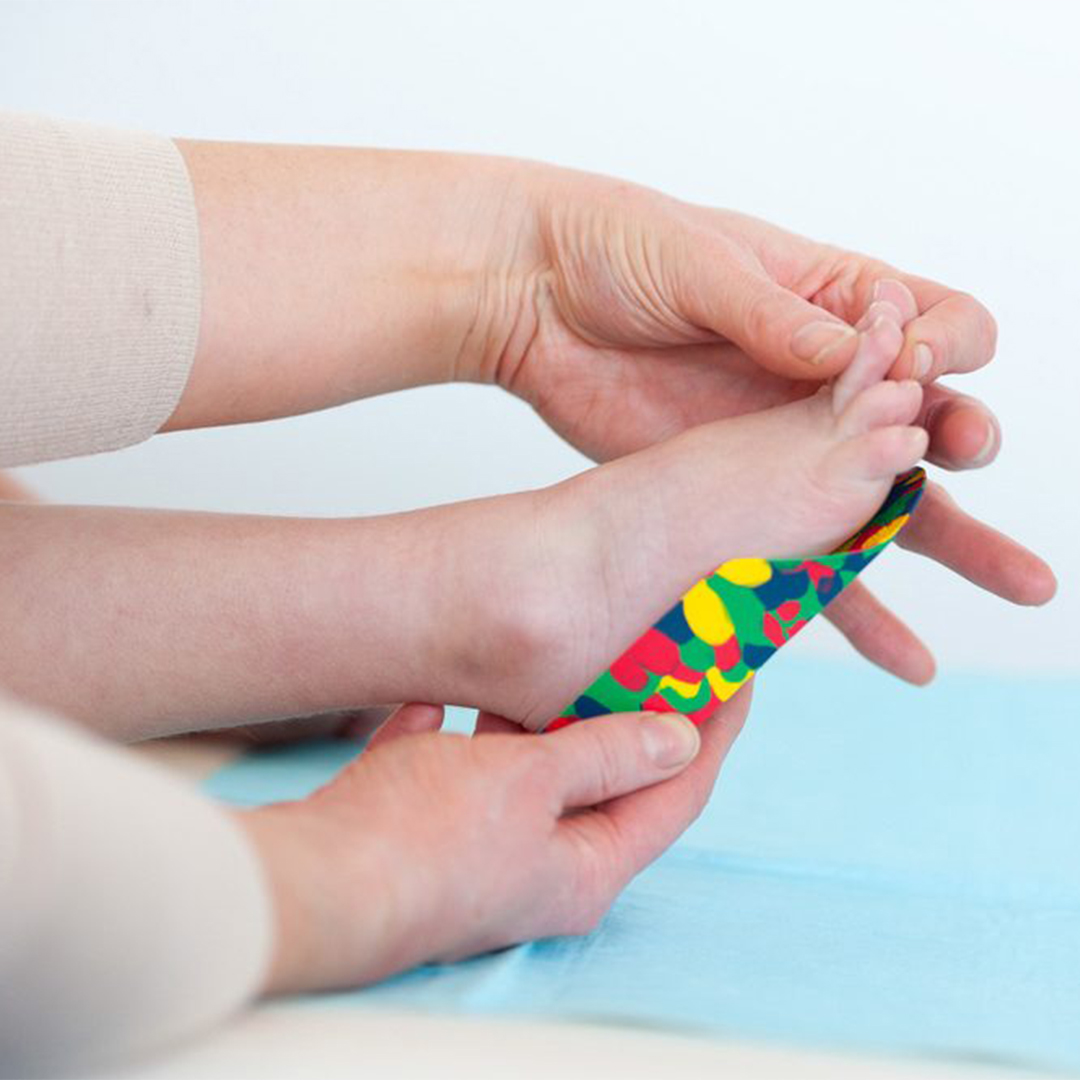
Foot Orthotics
The Women’s and Children Centre has off-the-shelf insoles, semi-customised or customised insoles. They are easily transferable between different types of footwear. They are designed to support, align, prevent or correct structural issues and improve the function of the foot.
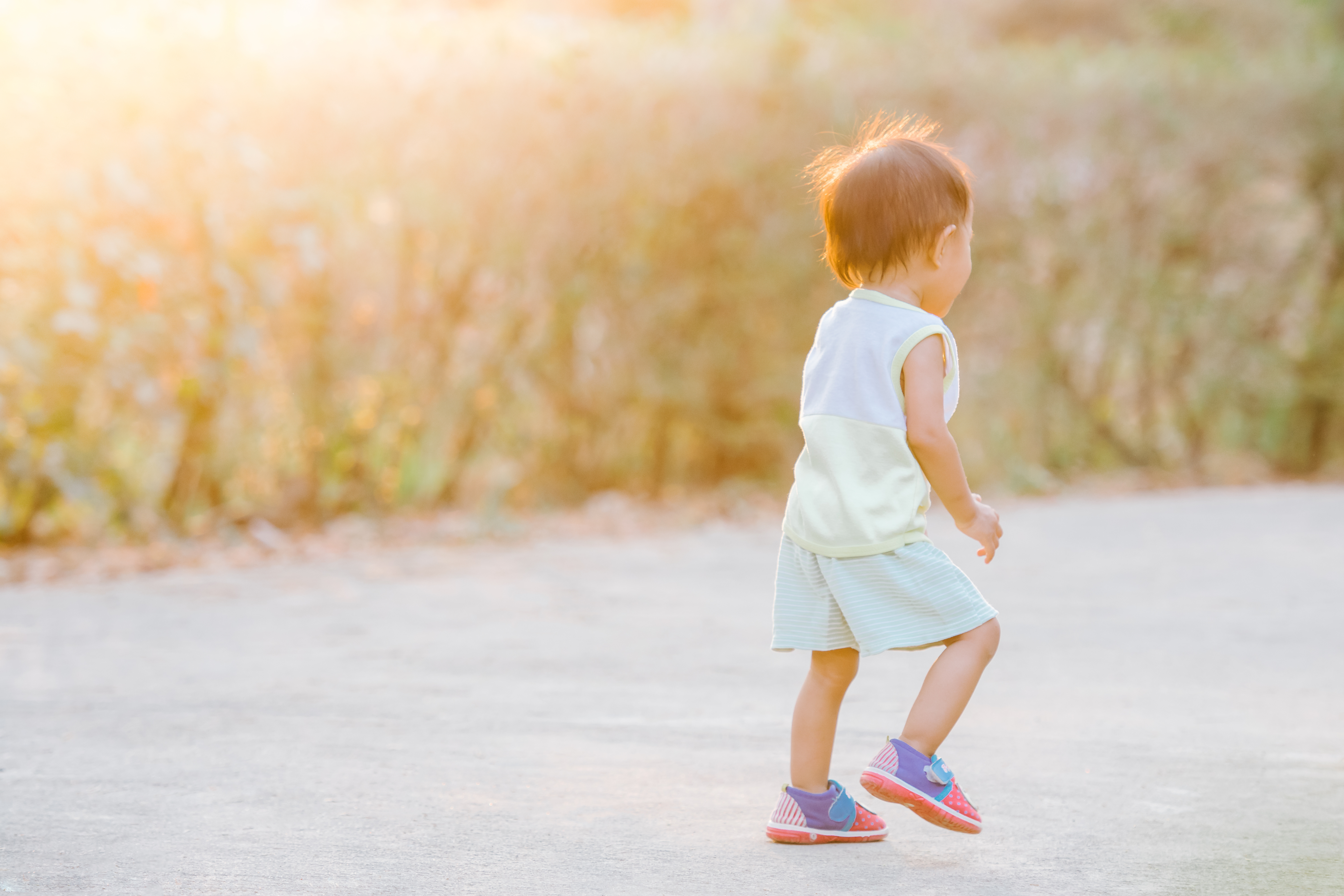
Footwear Advice
Ill-fitting footwear often leads to foot problems such as ingrown toenails, corns, heel pain, ankle pain or injuries.
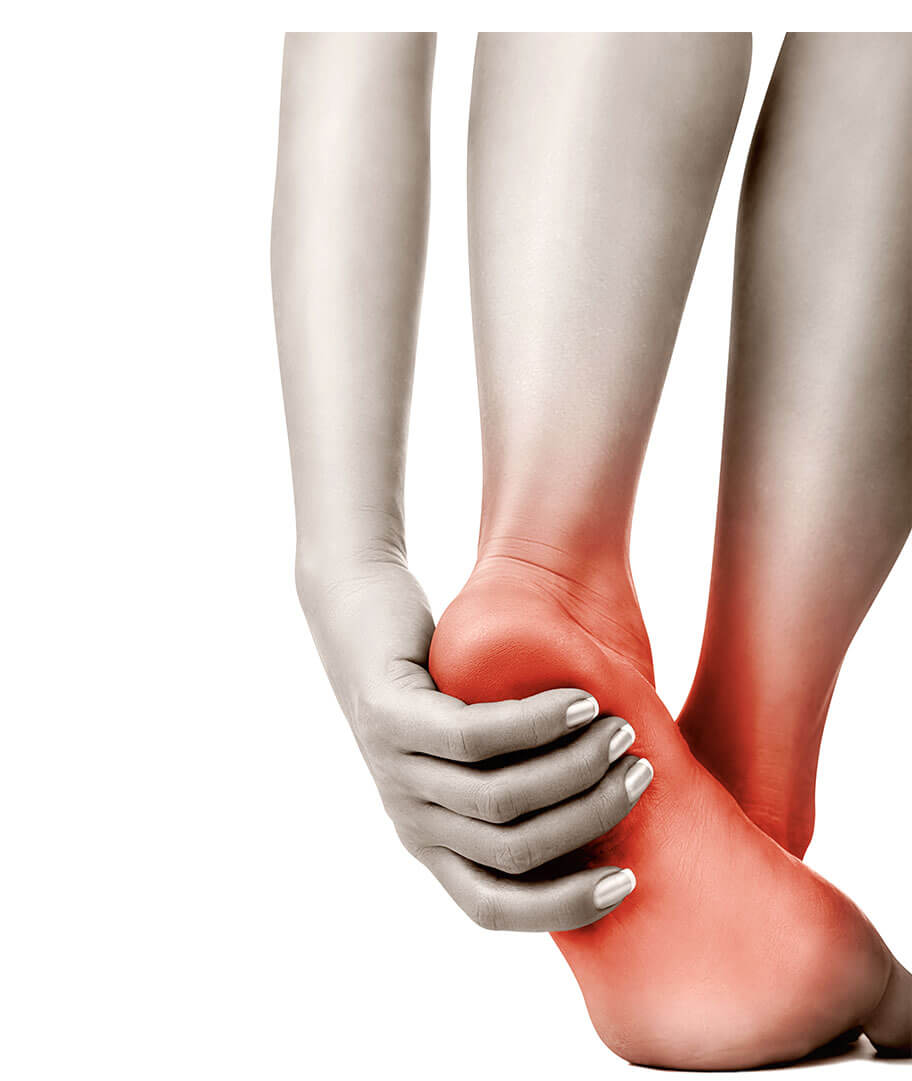
Heel Pain
Heel pain commonly occurs in young children due to their activity levels and not having a fully developed musculoskeletal structure.
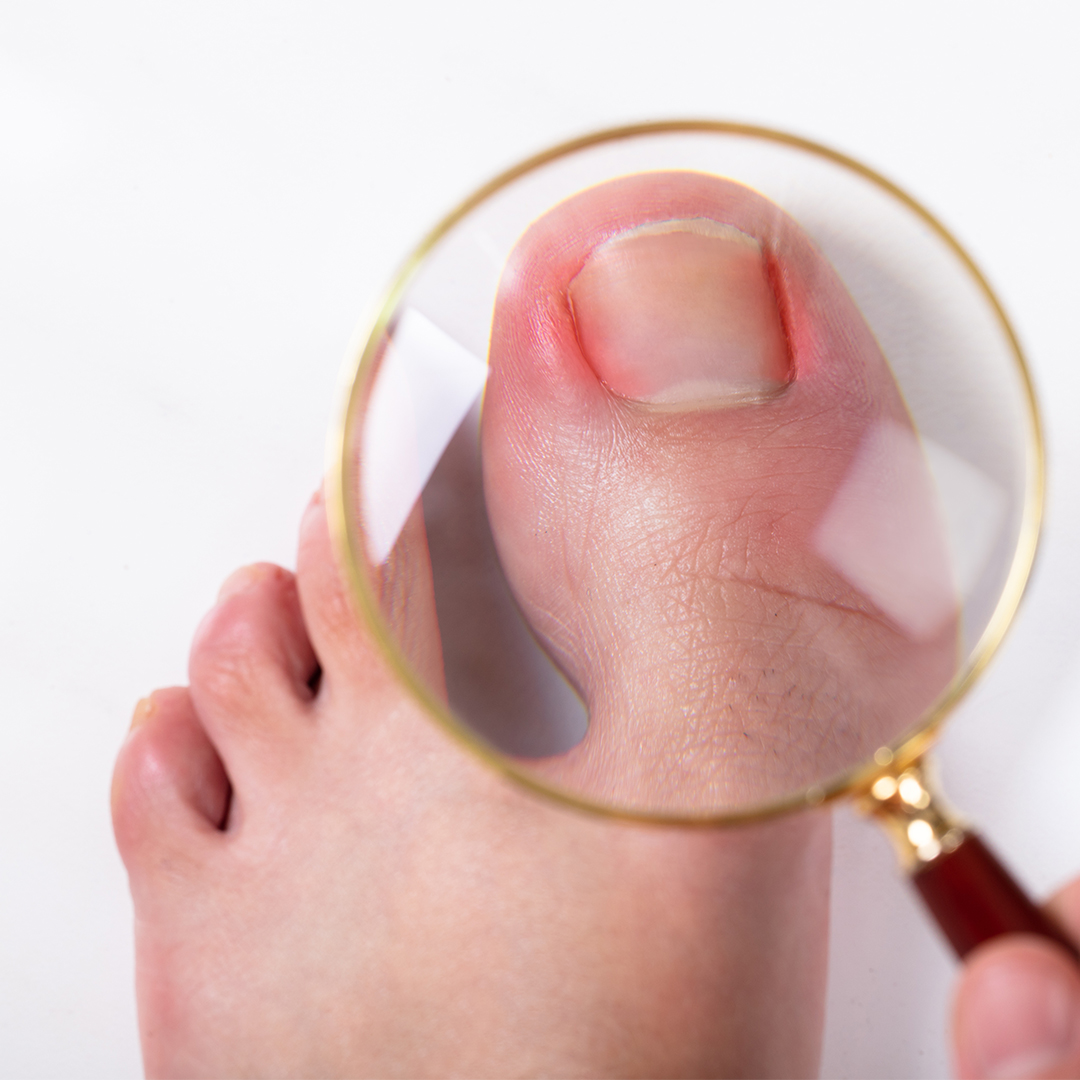
Ingrown Toenails
There can be inflammation and pain when a nail edge grows into the adjacent skin. It usually happens on the sides or the ends of the big toes.
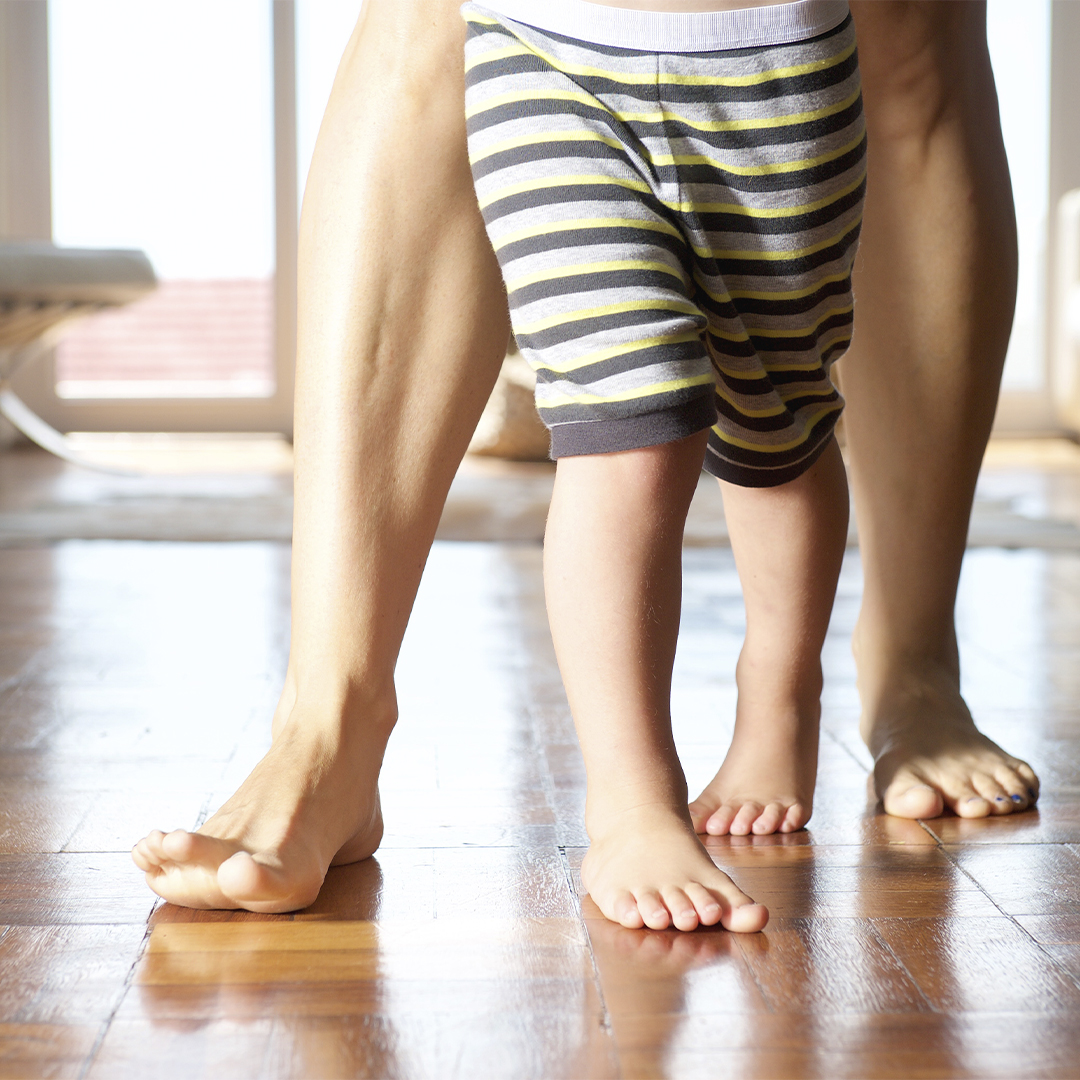
Intoeing Gait
“Pigeon Toe” or “Intoeing” refers to the feet turning inwards when walking, which can be commonly seen in young children.
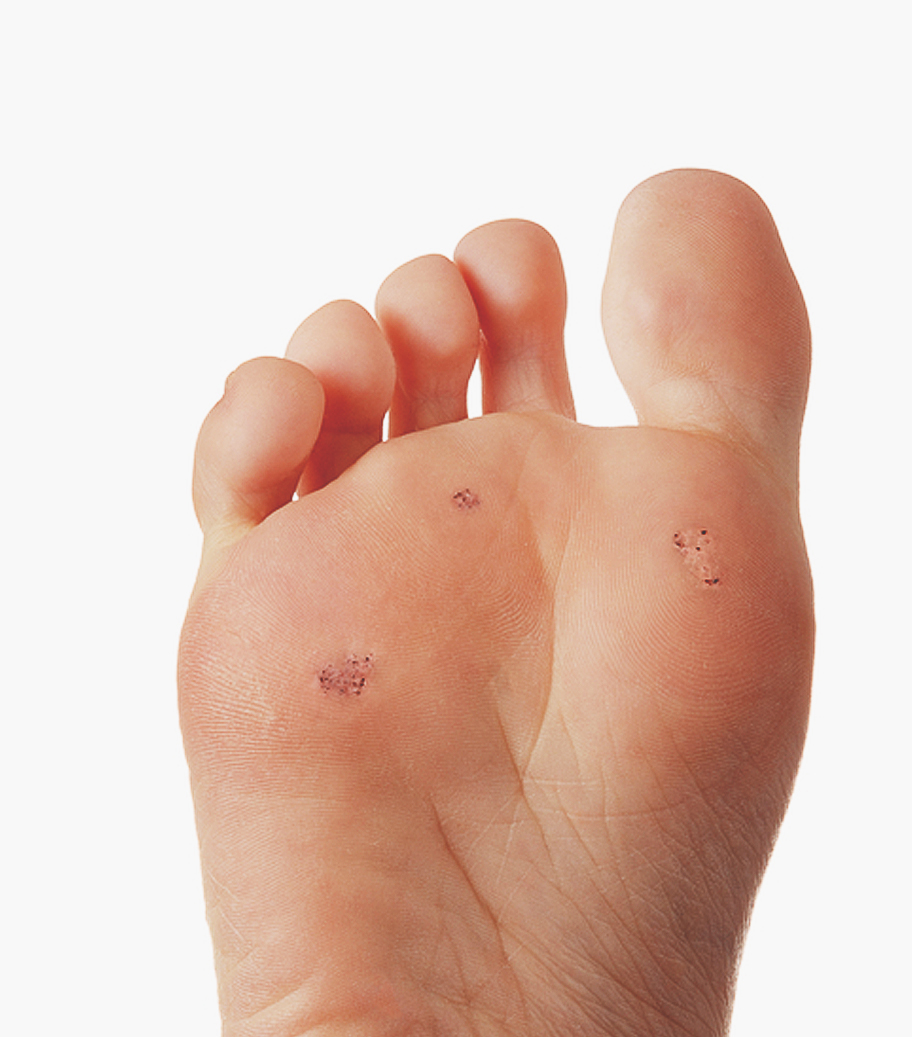
Plantar Warts
Plantar warts, also known as verrucae pedis, are small bumps that appear on the soles of the feet. They can grow up to an inch or more, forming clusters and spreading to other parts of the body.
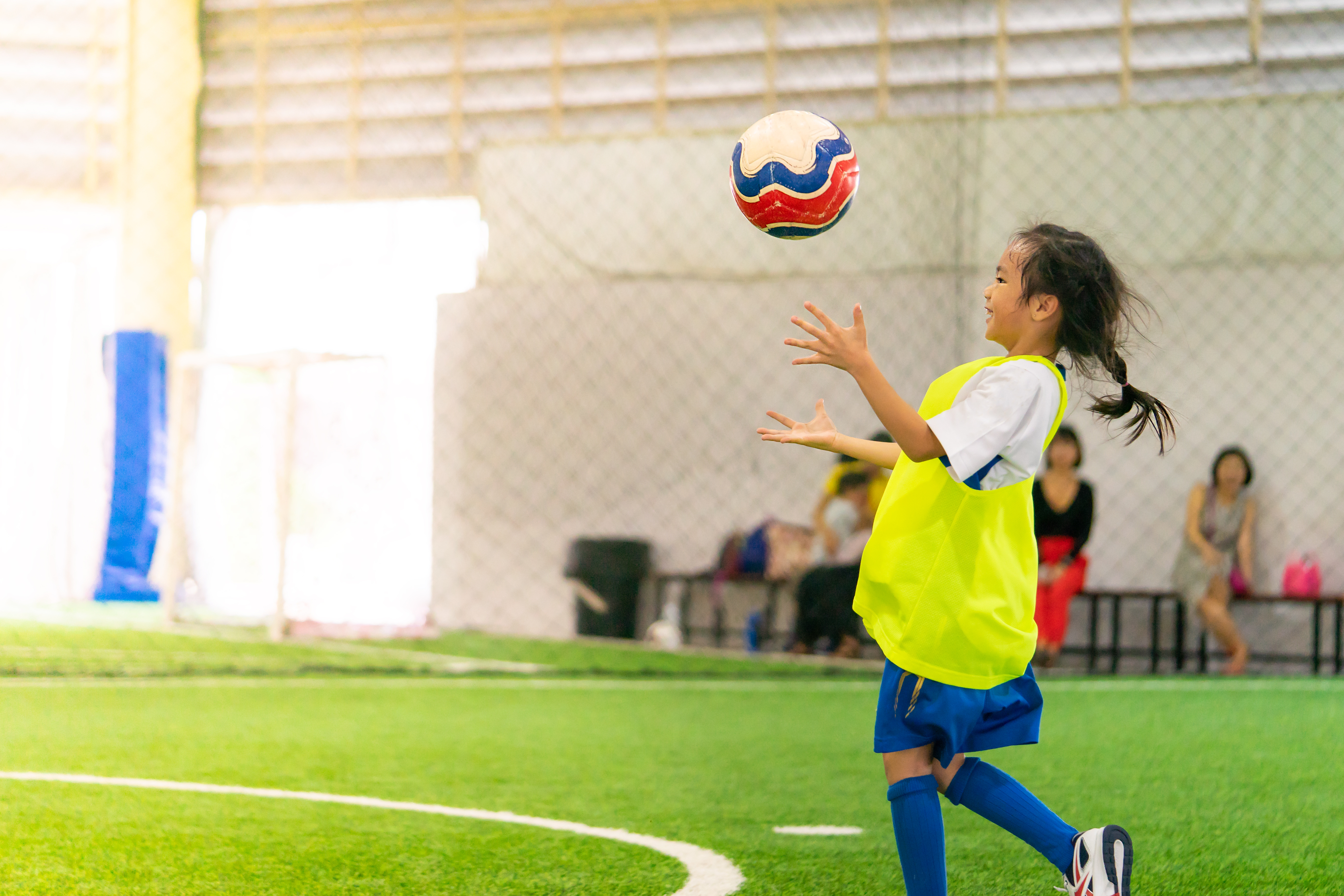
Sports Injuries
Children are unfortunately accident-prone and vulnerable to sustaining injuries as their joints and bones may not be fully developed. Whilst the occasional tripping and falling is expected, the risks of injury increases when your child becomes actively involved in recreational or competitive sports.
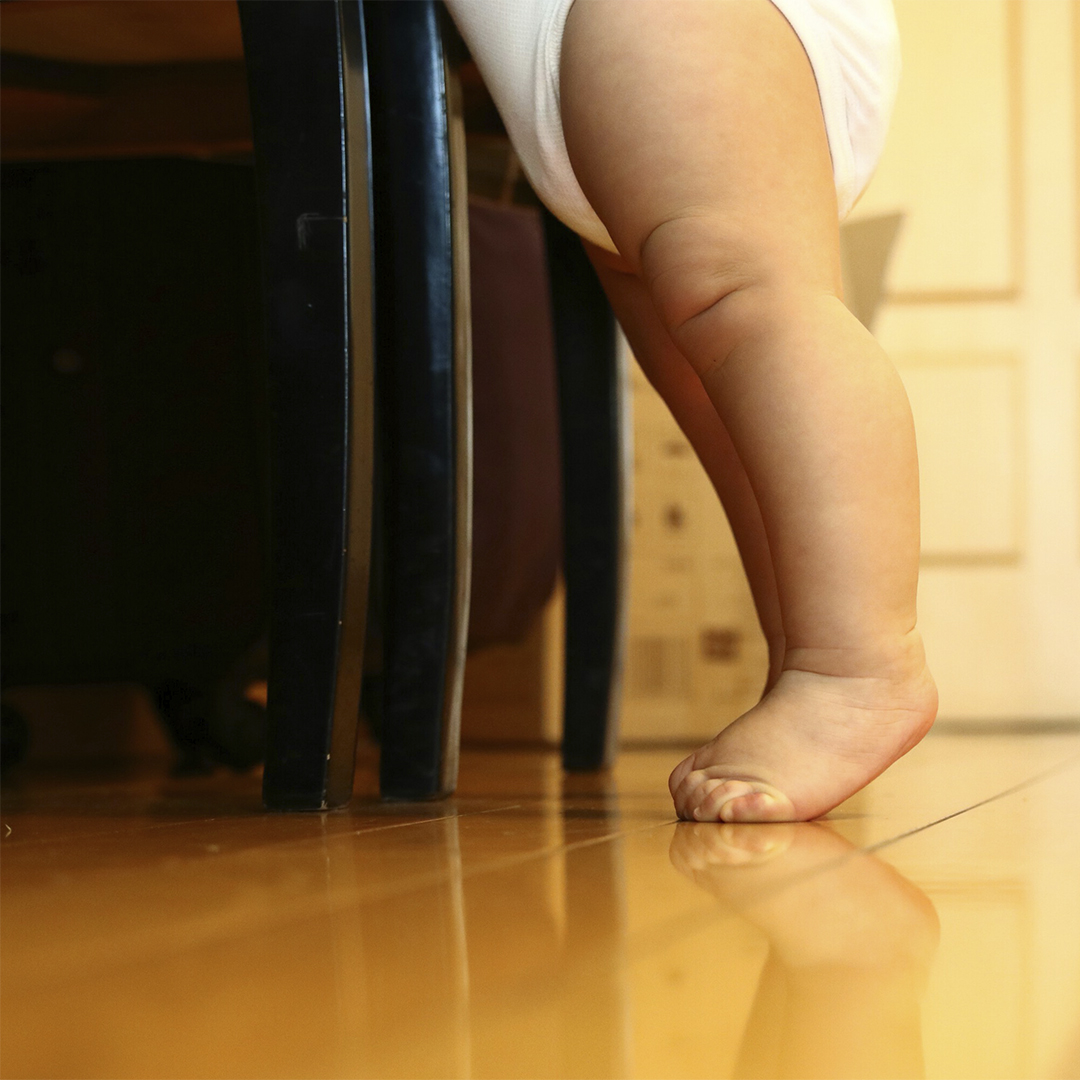
Tiptoeing gait
Toe walking is common among toddlers as they are learning to walk, especially during the second year of life. This often goes away naturally by age 3.