
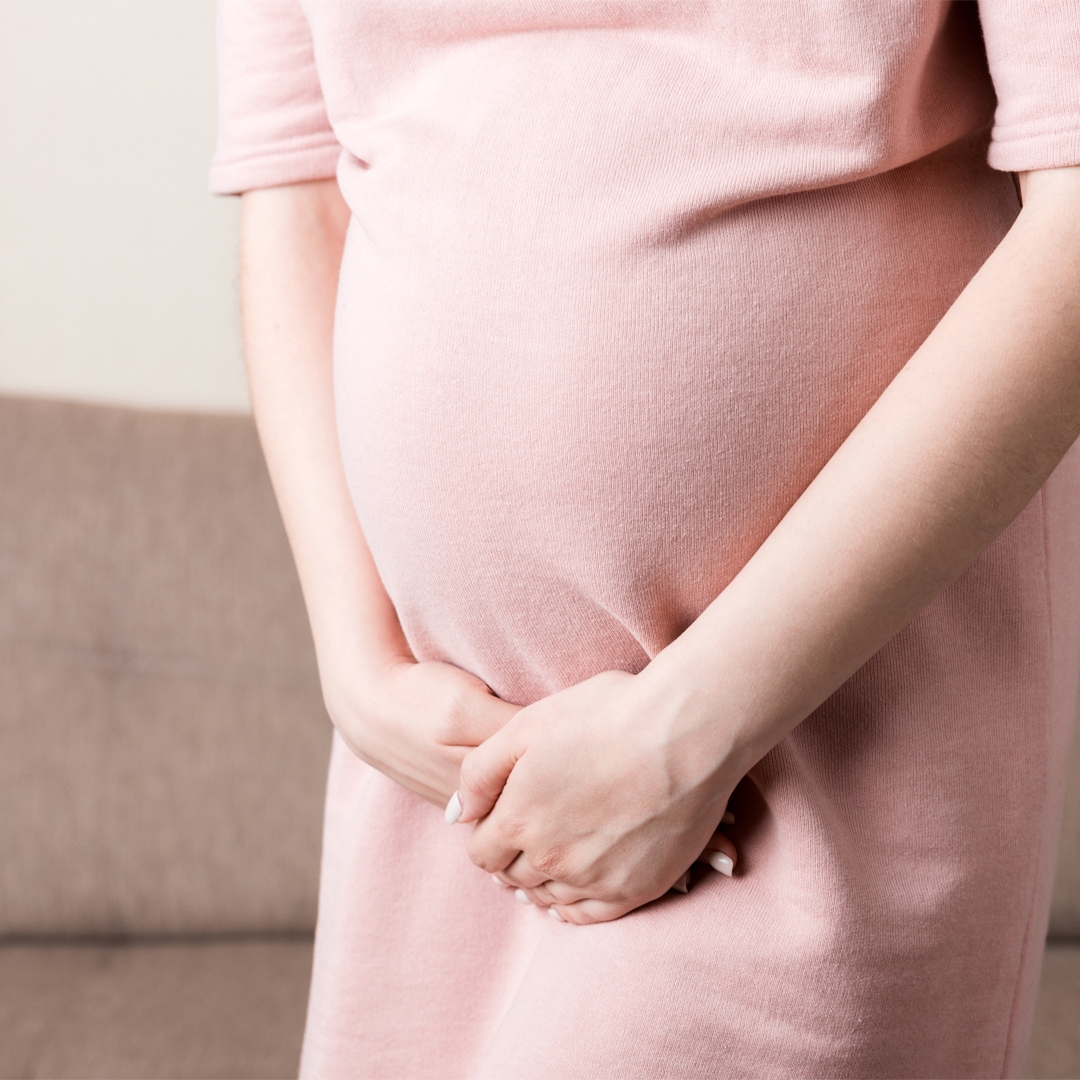
What is urinary incontinence?
The pelvic floor muscles work with the deep abdominal, back muscles and the diaphragm to support the spine and regulate pressure in the abdomen. It also supports the pelvic organs, maintains continence, and provides lumbopelvic stability. Therefore, when one suffers from pelvic floor dysfunction, the inability to correctly relax and coordinate these core muscles can lead to a range of issues. Pelvic Floor dysfunction can lead to anorectal incontinence and more commonly, urinary incontinence. Urinary incontinence is commonly known as the uncontrollable and accidental release of urine. This can happen by doing everyday activities such as coughing, sneezing, jogging and even laughing. It is common but it is not normal. Incontinence is a personal and sensitive problem but can greatly affect one’s quality of life.
What causes urinary incontinence?
Urinary incontinence can happen for several reasons such as underlying medical conditions like urinary tract infections or physical problems like weak pelvic floor muscles. Some everyday habits like the consumption of specific drinks, foods and medications like alcohol, large doses of vitamin C, and artificial sweeteners can act as diuretics, further stimulating the bladder. However, when it comes to persistent urinary incontinence, physical changes could be the main cause — a thorough evaluation by a medical professional can help determine the exact cause of your incontinence and suggest possible treatments.
There are different types of urinary incontinence: stress, urge, mixed and overflow.
Stress urinary incontinence: Most common type of incontinence. An involuntary loss of urine on effort or physical exertion, or with sneezing and coughing.
Urge urinary incontinence: Involuntary loss of urine associated with urgency. Overactive bladder may also present with urge incontinence and presence of urgency, usually accompanied by frequent and night walks to urinate.
Overflow incontinence: Brought about when the bladder is unable to empty, it overfills/distends and small volume leakage occurs.
When is urinary incontinence treatment needed?
Urinary incontinence treatment is needed when one is experiencing leaking of urine regardless of situation. Some of the most common symptoms associated with urinary incontinence include frequent urination, waking up at night to urinate, the need to urinate urgently, and leakage of urine. It is important to seek medical advice if these symptoms persist, as urinary incompetence can be a symptom of an underlying medical condition. It is also important to ask a medical doctor for guidance before undergoing any urinary incontinence treatment.
Who needs urinary incontinence treatment?
Those who are diagnosed with urinary incontinence may feel that their condition is affecting their quality of life. In general, individuals who are experiencing bothersome symptoms or complications related to urinary incontinence can benefit from undergoing the proper treatments that can address their medical concerns. Urinary incontinence treatment may be needed by individuals who experience leaking of urine during activities, such as coughing, sneezing, or exercising. This type of treatment may also be beneficial for those who have urge and/or overflow incontinence.
How is urinary incontinence diagnosed and what are the treatment options?
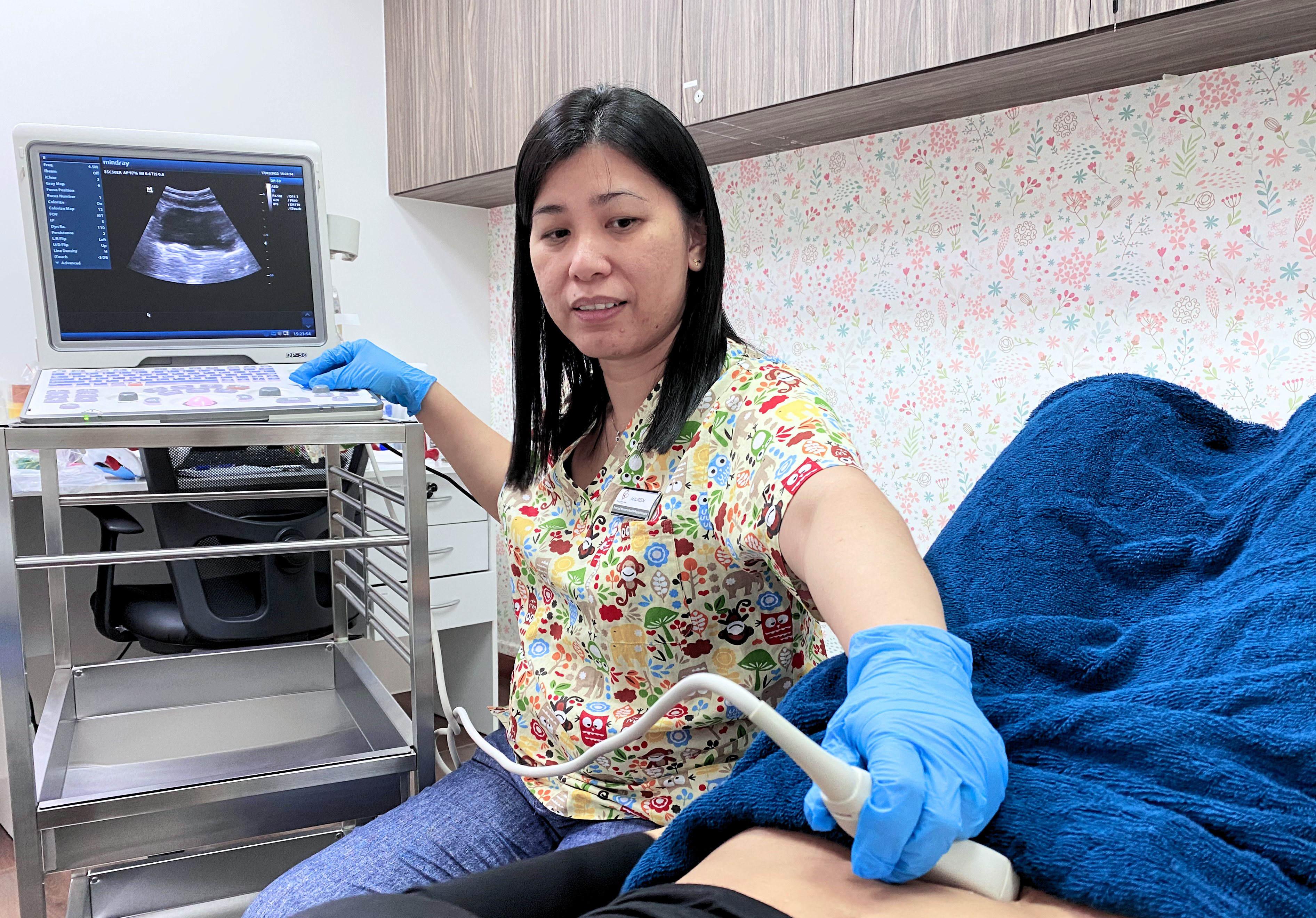
Urinary incontinence is typically diagnosed through a combination of medical history, physical examination, and diagnostic tests. The diagnostic process will depend on the type of incontinence and the individual’s symptoms. It is best to seek medical advice as soon as symptoms are experienced to receive a proper diagnosis and begin a urinary incontinence treatment programme, if needed.
Urine incontinence treatments differ according to the type of incontinence that an individual is dealing with, the severity of the condition, and what best fits their lifestyle. Together with lifestyle changes, pelvic floor physiotherapy is very effective in the treatment of urinary incontinence. Physiotherapists have an essential role to play in the assessment, treatment, and prevention of incontinence.
A physiotherapist trained at treating urine incontinence can:
Help manage incontinence by teaching how to locate and effectively strengthen pelvic floor muscles. Electrical stimulation may be used if required to stimulate and strengthen the pelvic floor
Assist with bladder retraining
Demonstrate correct bracing techniques during exertion such as lifting, coughing and sneezing
Advice on lifestyle changes
Real time ultrasound may also be used as biofeedback to assist you in activating the correct muscles
Getting the right urine incontinence treatment is crucial to a patient’s recovery. Women and Children Centre can help you find the recommended treatments for your condition. Get in touch with us today to book an appointment with one of our physiotherapists.
What to expect during urine incontinence treatments?

The specific expectations during urine incontinence treatments will depend on the type of treatment recommended by the healthcare provider. However, these are some of the general expectations that individuals can keep in mind:
Pelvic muscle exercises
Pelvic muscle exercises are one of the most common urine incontinence treatments. Expect daily exercises that will gradually increase in duration, depending on the patient’s progress. Pelvic muscle exercise sessions involve a comprehensive evaluation of a patient’s pelvic floor muscles, followed by a personalised treatment tailored to their specific needs.
Bladder training
This urine incontinence treatment involves retraining your bladder so that you can hold your urine longer without leaking urine. You will also be able to increase urination intervals once your bladder control has improved.
Lifestyle changes
Your doctor may also encourage you to make the necessary lifestyle changes to help address urine incontinence, such as, adequate water intake, eating a high-fibre diet, exercising regularly, developing good toilet habits, and making healthier lifestyle choices.
Medications
A medical professional/doctor may prescribe certain medications that can aid in improving bladder control. Medications should only be prescribed by a qualified practitioner and should only be taken by patients as advised by their doctor.
Surgery
Surgery is usually considered for urine incontinence after all conservative treatments, such as pelvic muscle exercises, bladder training, lifestyle changes, and medications are not able to show significant improvements in the symptoms. This is on a case-to-case basis and should only be recommended by a medical practitioner.
Post-Urine Incontinence Treatment and Aftercare
Individuals who underwent urine incontinence treatment should perform the necessary aftercare procedures to help maintain their condition. Some of the post-urine incontinence treatment care and prevention measures include:
Maintaining good pelvic floor healthy by maintaining a healthy weight, refraining from lifting heavy objects, and avoiding constipation
Staying hydrated and drinking plenty of fluids
Avoiding bladder irritants, such as spicy food, alcohol, and caffeine
Following a healthy diet
Maintaining good hygiene
Following up with the healthcare provider
These simple yet helpful aftercare methods can help patients undergoing urine incontinence treatment manage their incontinence.
Possible Risks and Side Effects of Urine Incontinence Treatments
Urine incontinence treatments, like any medical intervention, carry some potential risks and side effects. The specific side effects depend on the treatment type and the individual’s overall health. Some possible risks and side effects of urine incontinence treatments include:
Pelvic muscle soreness
Urinary tract infections (UTIs)
Allergic reactions
Bladder/bowel problems
Surgery-related risks
It is crucial for individuals to discuss the other health risks and side effects of urine incontinence treatments with their doctor and to report any concerning symptoms promptly. With proper monitoring and management, most of these urine incontinence treatment risks and adverse effects can be minimised and effectively treated.
Why choose Women and Child Centre for Urine Incontinence Treatment
At the Women and Children Centre, our physiotherapist, with the guidance of a medical professional, will tailor your urine incontinence treatment programme specifically for the form of urinary incontinence that you have. Aiming to improve the health outcomes of our clients, our team is committed to providing quality physiotherapy services in Singapore that not only target the root cause of your problems but also ensure that you’re able to get back to doing the activities that you enjoy. With decades of experience in urine incontinence treatments, we make sure that you get the proper remedy to get back on your feet and rectify the issue at hand.
Frequently Asked Questions About Urine Incontinence Treatment
What are the first signs of incontinence?
Some of the common signs of urinary incontinence include leaking urine when coughing, sneezing, or laughing. Feeling sudden, uncontrollable urges to urine, frequently feeling the need to urinate, having to visit the washroom at night, or wetting the bed during sleep are some of the other signs of urinary incontinence.
What are the 4 types of urinary incontinence?
There are several types of urinary incontinence, the 2 common types being stress incontinence and urge incontinence. Stress incontinence is characterised by any form of leakage brought about by the bladder being put under extra pressure. The latter is when one feels a sudden urge to urinate and is unable to delay any form of excretion. Other types of urinary incontinence include overflow incontinence, total incontinence, and mixed incontinence.
Is urinary incontinence permanent?
Urinary incontinence can be temporary or last for a long time. This means that not all types of incontinence are long-term, such as those caused by minor underlying conditions like urinary tract infections. When these temporary causes are cured through a proper treatment, the incontinence ends with it. As such, the permanency of the incontinence is highly dependent on the type of incontinence and its underlying cause.
How do you stop urinary incontinence?
If there is an underlying condition that is causing the symptoms of urinary incontinence, the patient will have to undergo treatment. Some of the other ways to effectively manage it include doing pelvic floor exercises, making lifestyle changes, losing weight and simply getting treatment for incontinence. At the Women and Children Centre our urine incontinence treatment includes physiotherapy sessions aimed at strengthening the pelvic floor muscles and more.
Can urinary incontinence be cured?
This is highly dependent on the type of urine incontinence you have. For many, lifestyle changes will suffice in relieving the symptoms. Treatments like physiotherapy can also be leveraged to manage the side effects and support proper bladder control, ridding of the need for any form of surgery.
What happens if urinary incontinence is left untreated?
If left untreated, urinary incontinence can lead to sleep loss, and anxiety. As such, it is crucial that individuals seek immediate help and treatment when signs and symptoms of urine incontinence start to show.