


Blog
What you need to know about physiotherapy and podiatry.

 Our Locations
 Physio&SoleClinic
 Physiotherapy
  April 30 2026

Written by
Senior Partner & Principal Musculoskeletal Physiotherapist at Women And Children Centre and Physio & Sole Clinic
A musculoskeletal physiotherapist with a strong focus on scoliosis care, Farha brings experience from KK Women’s and Children’s Hospital, where she worked across diverse conditions and age groups. She is a pioneer in scoliosis-specific exercise therapy, advocating active conservative treatment beyond traditional bracing. Trained by international scoliosis specialists in the United States and Netherlands, Farha combines patient education with hands-on techniques to deliver holistic, individualised care, helping patients of all ages improve posture, reduce pain, and move with confidence.
Your child just came home limping from NSG training, and you’re not sure whether to wait it out or book an appointment. This guide covers everything Singapore parents need to know about physiotherapy for student athletes — from recognising when to seek treatment, to what a session looks like, to getting your child cleared for competitive return.
If your child competes in the National School Games (NSG) or trains regularly for school sports, knowing when and where to seek physiotherapy is one of the most protective decisions you can make for their long-term athletic development. Most injuries that derail a young athlete’s season didn’t start big. They started as a twinge after football practice, a sore heel that “went away on its own,” or a knee that only hurt going down stairs. By the time it becomes impossible to ignore, the window for simple, early treatment has often already closed.
The NSG is Singapore’s largest annual youth sports event, running from January to August across primary, secondary, junior college, and centralised institution levels. The scale of participation means musculoskeletal injuries are common and commonly underestimated by parents who are unsure whether an injury warrants professional attention.
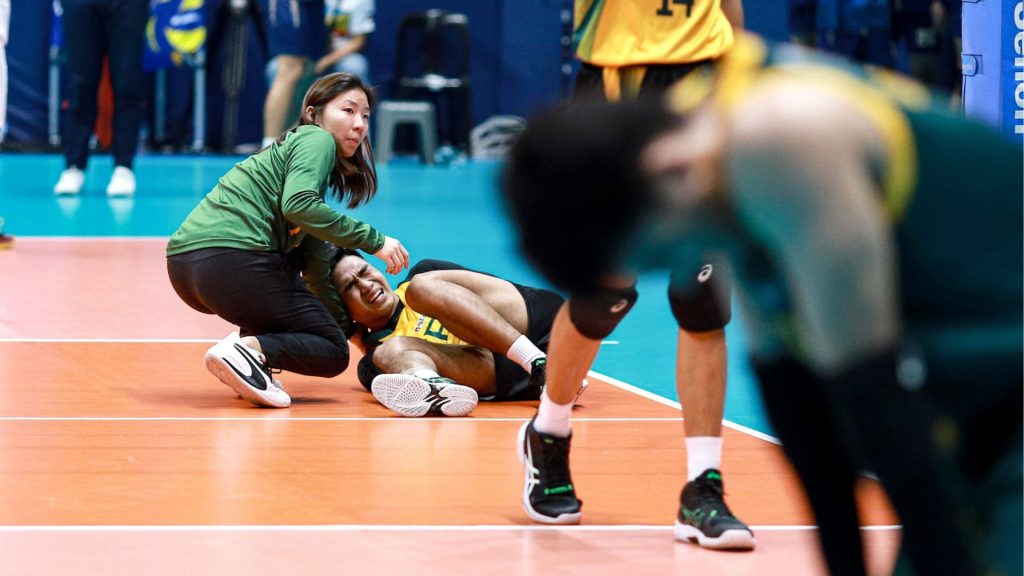
Physiotherapy for student athletes goes beyond treating pain. Evidence-based intervention at the right stage can prevent a minor ankle sprain from becoming a chronic instability issue, or identify a muscle imbalance before it causes a stress fracture during a high-training period.
In Singapore, paediatric physiotherapy and sports physiotherapy are distinct sub-specialties. Paediatric physiotherapists are trained in growth-specific conditions, such as Osgood-Schlatter disease, Sever’s disease, and hypermobility, that adult-focused clinics may not routinely screen for. Choosing a clinic with paediatric expertise ensures your child receives care calibrated to a developing body, not an adult template.
Student athletes should see a physiotherapist if they are experiencing:
Paediatric physiotherapy is specifically recommended for the following conditions:
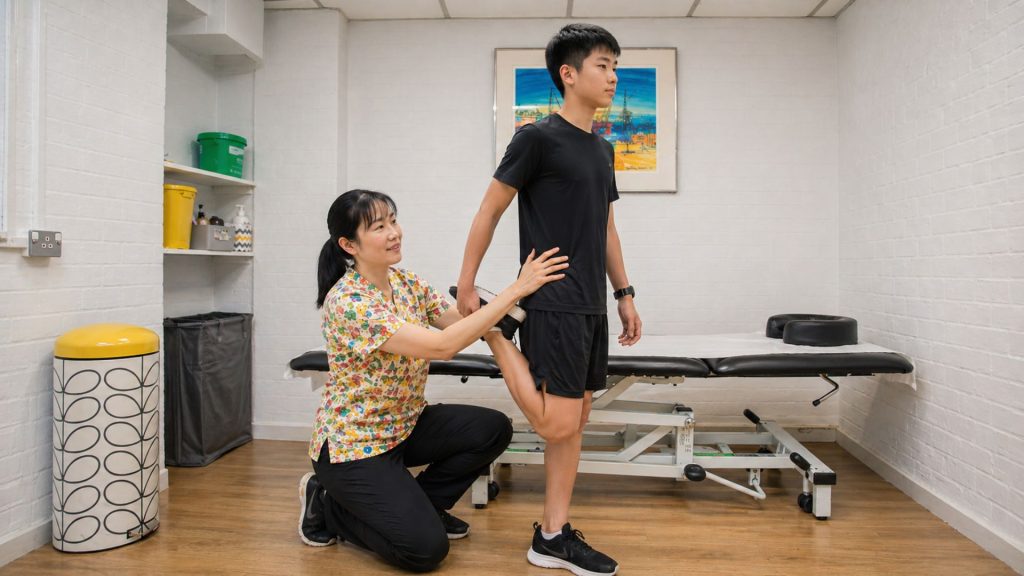
A structured evaluation of pain location, onset, training load, and sport demands, typically 45 minutes per session. The physiotherapist will ask detailed questions about your child’s training schedule, competition history, and any previous injuries to build an accurate clinical picture before any treatment begins.
Assessment of posture, joint range, muscle strength, and sport-specific movement patterns to identify injury risk factors. For student athletes, this often reveals contributing factors — such as hip weakness or limited ankle mobility — that are not directly at the site of pain but are driving the problem.
The physiotherapist identifies the primary condition, contributing factors, and likely prognosis — communicated clearly to both the child and parent. You should leave this part of the session with a clear explanation of what is wrong, why it happened, and what the recovery pathway looks like.
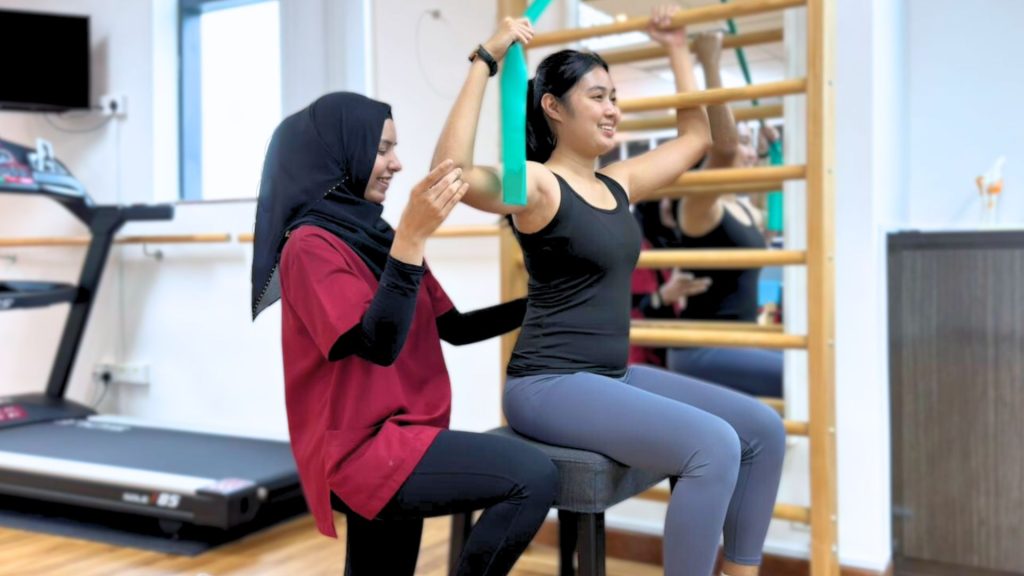
Treatment modalities may include:
Modalities vary by age, condition, and sport demands — what is appropriate for a 16-year-old sprinter is not the same as what is appropriate for a 10-year-old footballer, and a good paediatric physiotherapist will calibrate accordingly.
A staged protocol from pain-free movement, to sport-specific training, to full competitive clearance with defined criteria at each stage. This is particularly important for NSG athletes, where the competition calendar is fixed and missing a key event carries real consequences for team selection and morale.
Where appropriate, coordination with podiatry, sports medicine physicians, or school PE teachers to ensure comprehensive care. At clinics with in-house podiatry such as Women and Children’s Centre, this referral can happen within the same visit, reducing the time between assessment and treatment.
Parents often assume any physiotherapy clinic can manage a teenage athlete’s injury. The distinction matters more than most realise.
| General physiotherapy clinic | Paediatric & sports-focused clinic |
| Treats adult musculoskeletal conditions primarilyMay not screen for growth plate injuriesAdult exercise prescriptions applied to younger patientsLimited awareness of NSG training loads and school sport schedules | Trained in paediatric-specific conditions (Osgood-Schlatter, Sever’s, etc.)Understands growth-related injury patterns in adolescentsReturn-to-sport timelines calibrated to school competition schedulesInterdisciplinary access to podiatry, sports medicine, and developmental care |
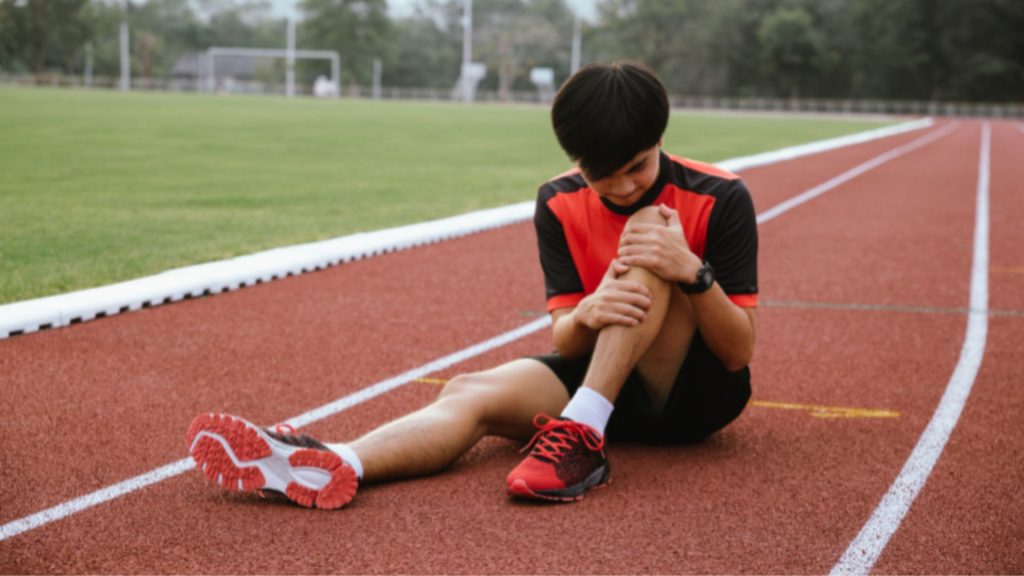
In youth sports, time is rarely on your side. The body adapts quickly — and not always in the right direction.
Delaying physiotherapy for a student athlete carries compounding risks. A minor sprain left unrehabilitated can become chronic joint instability. Growth plate injuries misread as muscle soreness can cause lasting skeletal complications. Untreated injuries produce compensatory movement patterns that create secondary problems in adjacent joints — a well-documented pathway from ankle pain to knee injury in adolescent runners. Beyond the physical, persistent unmanaged pain affects a young athlete’s confidence and, over time, their relationship with sport. Early intervention consistently produces faster recovery. Waiting rarely does.
There is no minimum age for physiotherapy. Paediatric-trained physiotherapists in Singapore typically see young athletes from age 8 onwards, with the highest concentration of sports injury presentations occurring between ages 10 and 16.
No. Private physiotherapy clinics in Singapore accept self-referrals. A GP or specialist referral is only required if you wish to access subsidised physiotherapy at a public hospital or polyclinic.
This depends on injury severity. Mild soft tissue injuries (Grade 1 sprains, minor muscle strains) typically require 3–6 sessions over 2–4 weeks. More complex presentations such as growth plate involvement, post-surgical rehabilitation, or overuse injuries may require 8–16 sessions across 6–12 weeks.
Sports physiotherapy covers injury, rehabilitation, and performance for athletes of all ages. Paediatric physiotherapy focuses on the developmental and musculoskeletal needs of children specifically, including conditions unique to growing bodies. For student athletes, it is ideal to seek a physiotherapist with dual expertise in both sports and paediatric care.
Yes. Pre-season movement screening is one of the most evidence-supported applications of sports physiotherapy. A physiotherapist can identify biomechanical risk factors — muscle imbalances, limited hip mobility, poor landing mechanics — and address them before competition begins.
The most important thing to take away from this guide is that not all physiotherapy is the same, and for a growing athlete, the difference matters. Student athletes need a physiotherapist who understands both the demands of competitive school sport and the biology of a body that is still developing. General adult musculoskeletal care is not a like-for-like substitute.
Act early. The injuries that become season-ending problems almost always start small. Early physiotherapy intervention consistently produces faster recovery and reduces the risk of compensatory patterns that create new injuries down the line. Pain resolution alone is not the finish line — return-to-sport clearance should be based on documented functional criteria, not just the absence of discomfort.
At Women and Children’s Centre (WACC), our team specialises in exactly this intersection — paediatric care and sports rehabilitation, under one roof. If your child is preparing for the NSG season, recovering from an injury, or due for a movement screen, we are here to help. Book an appointment with our team today.
Phone: 9126 8257
Fax: 6281 1209
Email: contact@physioandsole.com
Whatsapp a Podiatrist: 87706213