


Blog
What you need to know about physiotherapy and podiatry.

 Our Locations
 Physio&SoleClinic
 Podiatry
  December 11 2025
Written by Ng Jia Lin, Principal Podiatrist at Physio & Sole Clinic & Women and Children Centre
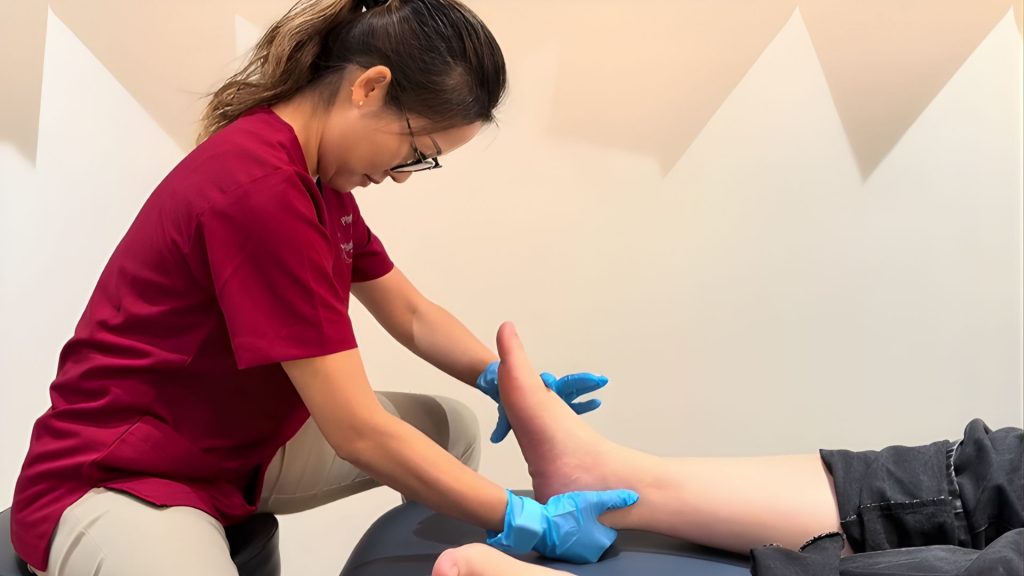
As a podiatrist, one of the most common concerns I hear from women in Singapore is this:
“Why do my feet hurt so much? Is it my shoes?”
If you’ve ever come home with sore arches, aching toes, burning forefeet, or heels that throb after a long day, you’re not alone. Foot pain among women is extremely common, and your footwear plays a much bigger role than most people realise.
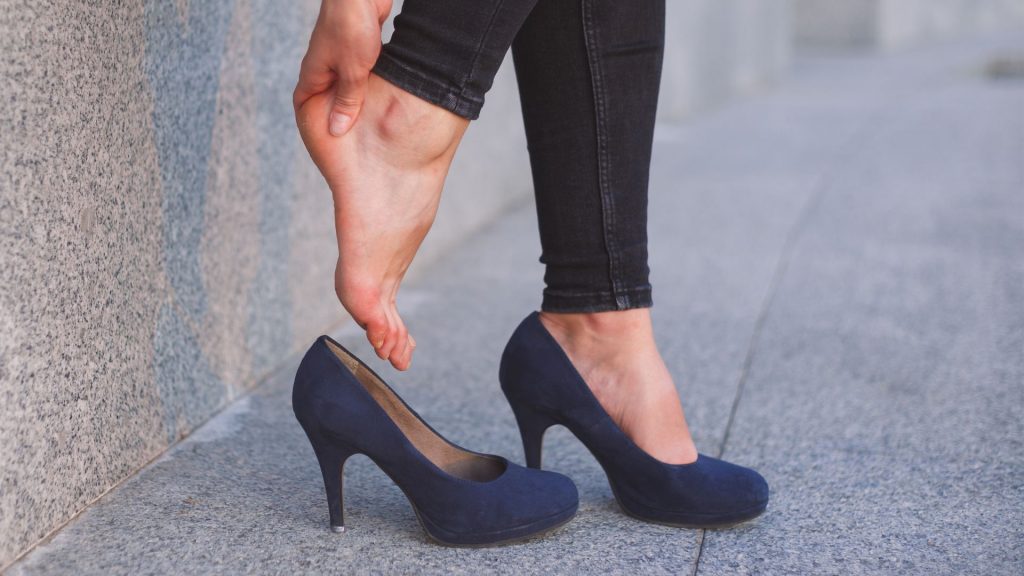
In this guide, I’ll walk you through why women tend to experience more foot pain, how everyday shoes like high heels, ballet flats, and office footwear affect your foot structure, and what you can do to protect your feet, without giving up style or confidence.
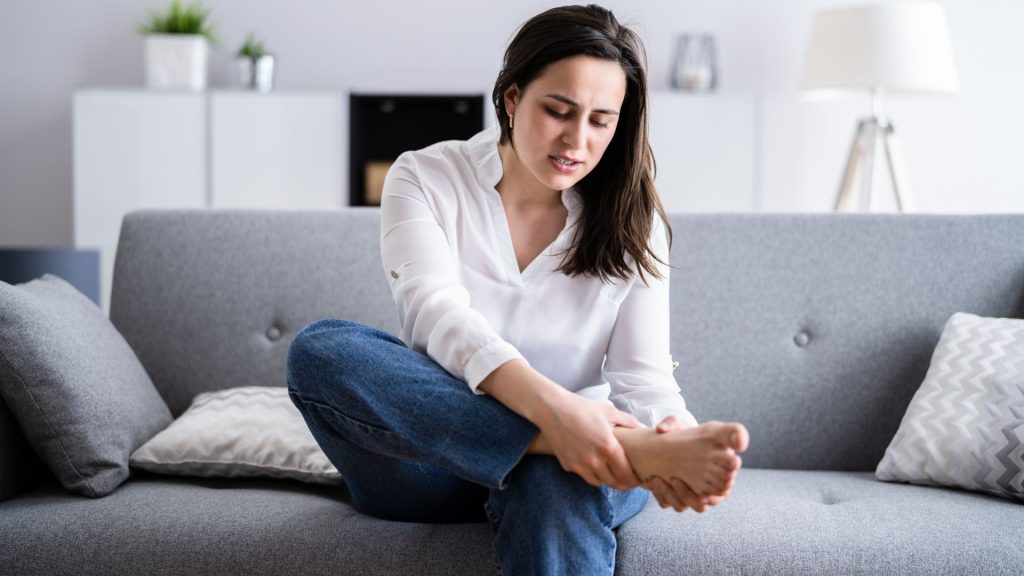
Women in Singapore are often on their feet the whole day, commuting, standing at work, caring for their families, and trying to balance multiple roles. Add in footwear that’s narrow, flat, or unstable, and the result is predictable:
Women, compared to men, are more prone to foot pain due to a combination of biomechanical, footwear, and hormonal factors. In clinical practice, it’s not uncommon to see women who have endured pain for months or years, often believing it is “just part of being a woman.”
It does not have to be.
Let’s address this by looking at the three shoe types most commonly associated with women’s foot pain in Singapore.
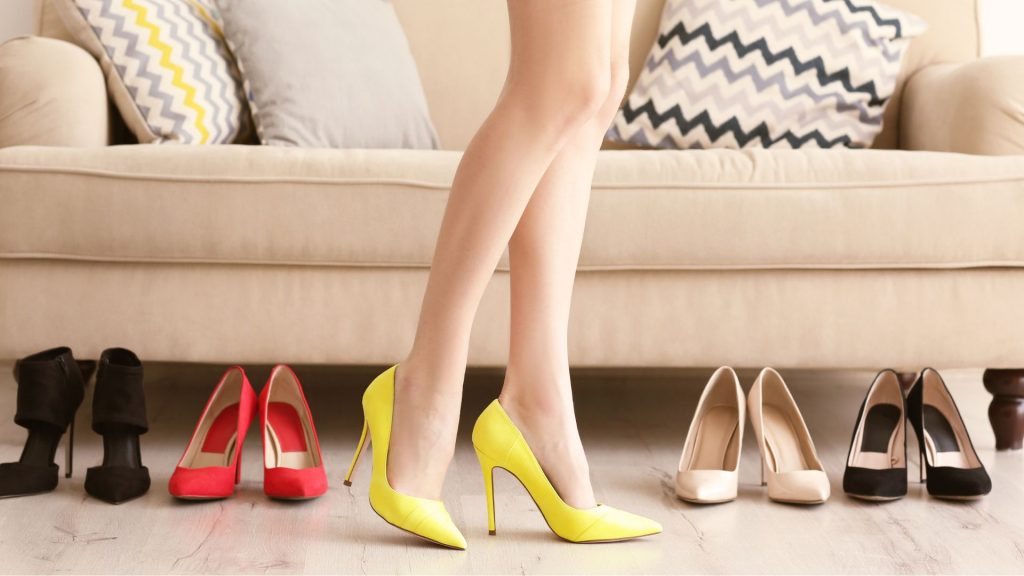
Are high heels harmful to your feet? The short answer is: Yes, especially when worn frequently.
High heels shift up to 70–80% of your body weight onto the forefoot, creating intense pressure on the bones, joints, and nerves. Over time, this can lead to:
In Singapore’s office culture, especially in sectors like finance, retail, and hospitality, many women wear heels daily, believing it is part of looking professional.
But chronic pain is never “normal,” no matter the job.
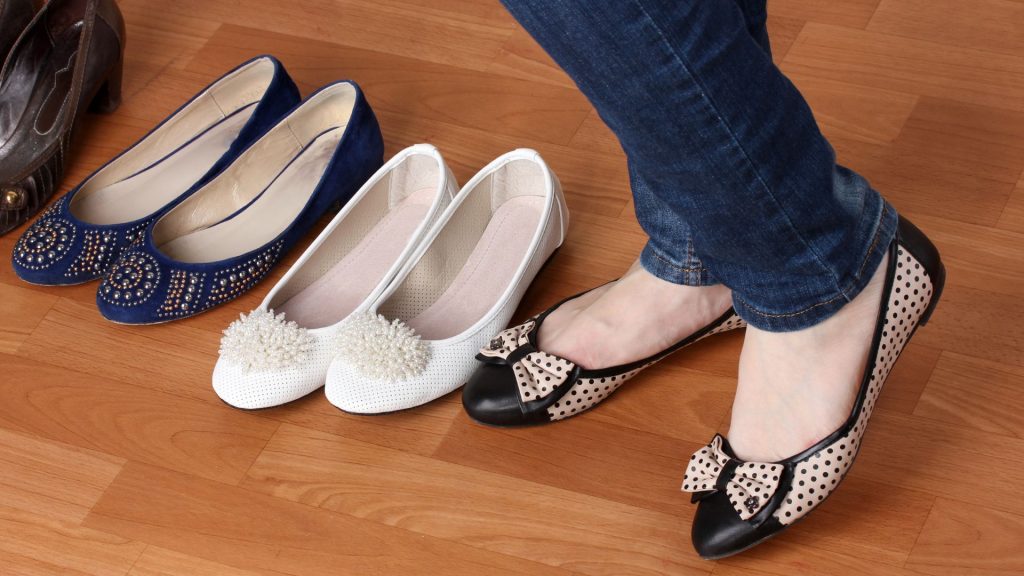
Are ballet flats better than heels? They may feel more comfortable at first, but most ballet flats cause a different set of problems because they offer:
This often leads to:
Many women tell me they switch to flats thinking they’re doing their feet a favour, but without support, flats are simply heels without height.
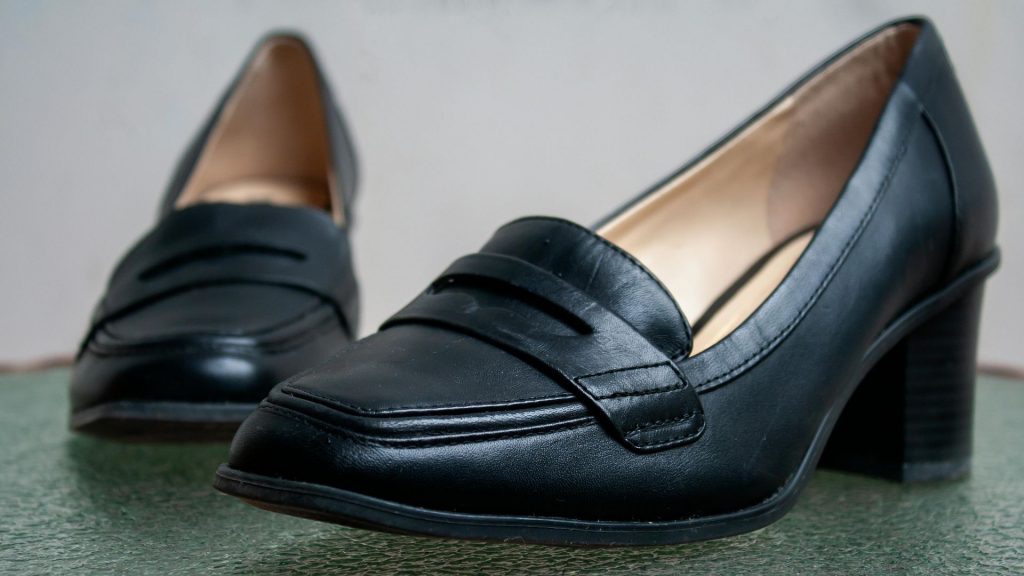
How do I choose the right office shoes? In Singapore, women often wear structured pumps or loafers to match corporate outfits. But many styles are:
Common resulting conditions include:
You don’t need orthopaedic-looking shoes, but you do need shoes that support your foot’s natural alignment.
Studies and clinical experience consistently show that women experience more foot pain due to:
Women’s shoes tend to be narrower, thinner, higher, or less supportive.
Fluctuating oestrogen levels influence ligament laxity, which affects foot stability.
Increased weight load and ligament relaxation can flatten arches permanently.
Women generally have a narrower heel and wider forefoot, making many shoes a poor fit.
All these factors compounded daily, over the years, significantly increase the risk of chronic foot pain.
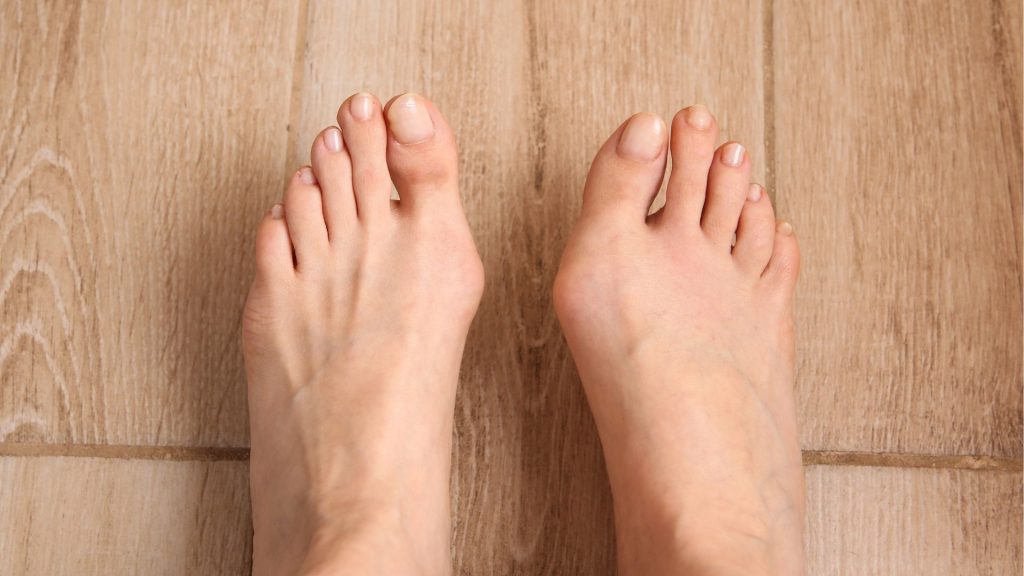
Absolutely. While genetics play a role, footwear is the most common aggravating factor for:
In Singapore, I often see women who develop bunions or heel pain in their 20s and 30s, not because of age, but because of years of poor footwear.
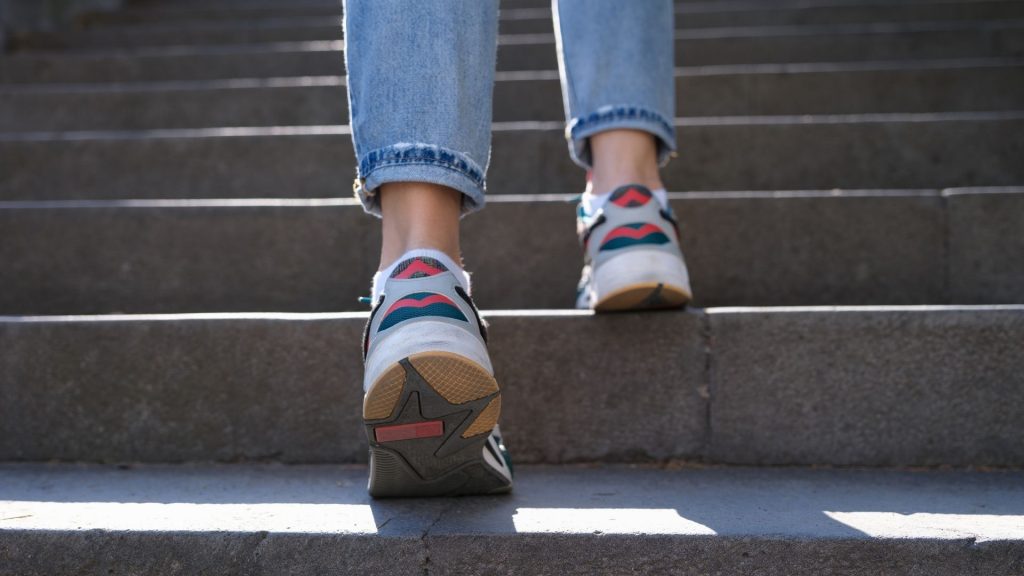
Pain after standing or walking is usually due to:
Some women also have underlying biomechanical issues, such as:
Even if the pain seems mild now, it can progress quickly if the workload on your feet remains unchanged.
Yes, and the earlier, the better. As podiatrists, we assess:
Many women come in only after their pain is severe. But early intervention often prevents long-term issues that may eventually require surgery.
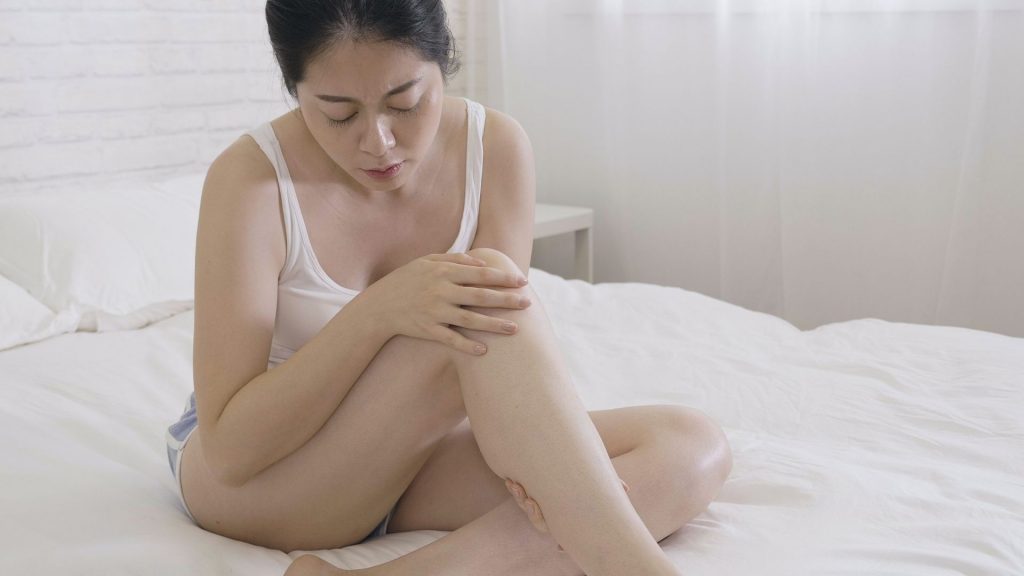
Here’s the part everyone wants to know, what can you actually do?
I’ll break this into three practical categories:
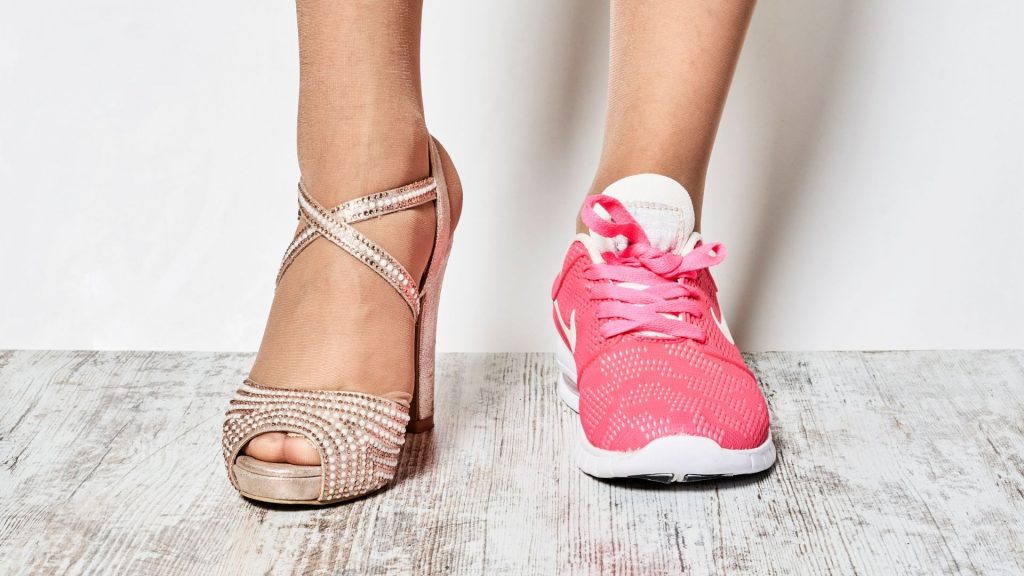
Choose shoes with:
Look for:
Aim for:
If you must wear heels:
Singapore floors are mostly hard tile or concrete, shock absorption is key.
Check for:
A well-fitted $60 shoe is better than an ill-fitting $300 one.
If you walk a lot, replace your shoes every:
Strengthening & Stretching Exercises for Women
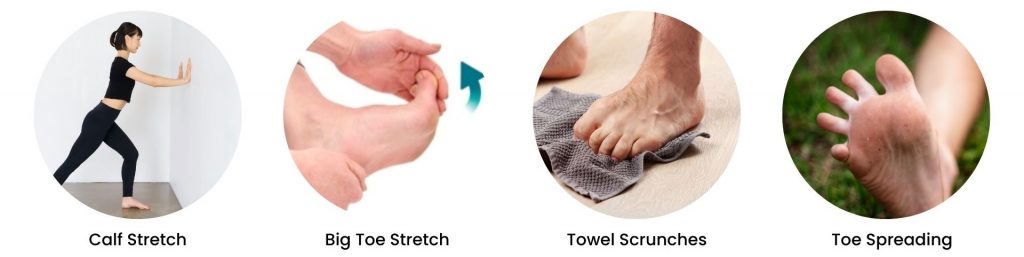
These simple exercises relieve pain and build long-term resilience:
1. Calf Stretch (Wall Stretch): Relieves heel pain and forefoot pressure.
2. Big Toe Stretch: Reduces bunion-related stiffness.
3. Towel Scrunches: Strengthens intrinsic foot muscles.
4. Toe Spreading: Improves balance and forefoot mobility.
These take 5 minutes a day and can dramatically reduce discomfort.
When to Seek a Podiatrist
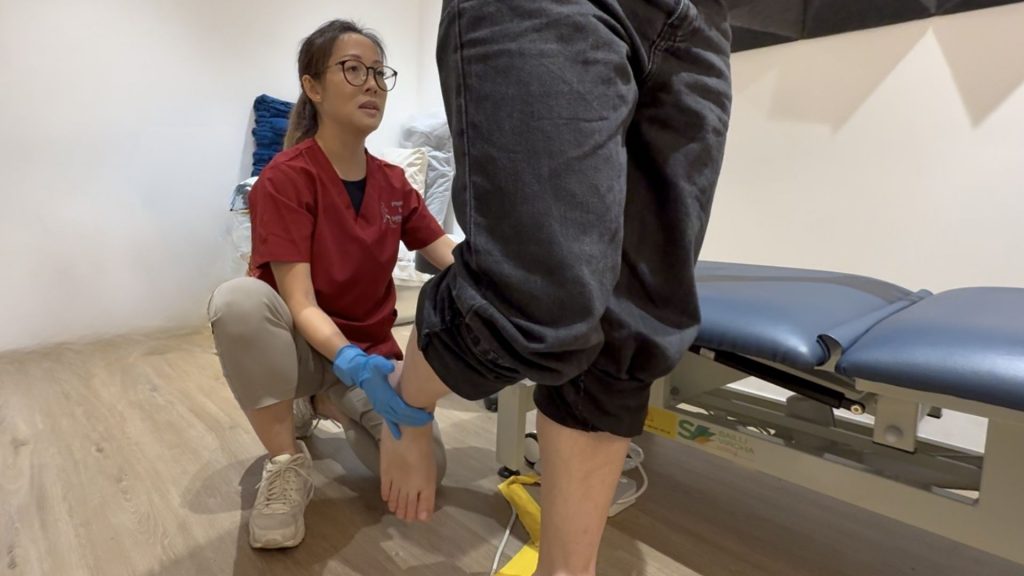
See a podiatrist when you experience:
At Women and Children Centre, we provide:
Early treatment helps prevent chronic pain and long-term structural changes.
Foot pain is not something women should “power through.” The right footwear and early podiatry care can prevent bunions, heel pain, forefoot pressure, and long-term structural problems.
Your feet carry you through every part of your day; they deserve care, support, and proper alignment.
If you’ve been experiencing ongoing foot pain, whether from heels, flats, office shoes, or standing long hours, don’t wait for it to worsen.
Book an assessment with us at Women and Children Centre, and let’s work together to keep your feet healthy, supported, and pain-free.
Phone: 9126 8257
Fax: 6281 1209
Email: contact@physioandsole.com
Whatsapp a Podiatrist: 91754929
Whatsapp a Physiotherapist: 98997967