


Blog
What you need to know about physiotherapy and podiatry.

 Our Locations
 Physio&SoleClinic
 Physiotherapy
  February 3 2026
Written by Farha Nisha, Senior Partner & Principal Musculoskeletal Physiotherapist at Women & Children Centre and Physio and Sole Clinic

As a clinician working with children and adolescents in Singapore, one of the most common things parents tell me is this:
“My child is very flexible — but is that a good thing or a problem?”
Some parents notice their child sitting in strange positions, bending their fingers backwards, or constantly being called “double-jointed” by teachers and relatives. Others come in because their child complains of knee pain after PE, ankle pain after football training, or seems unusually tired compared to their peers.
So let’s talk about hypermobility in children — what it is, what it isn’t, and when it deserves attention.
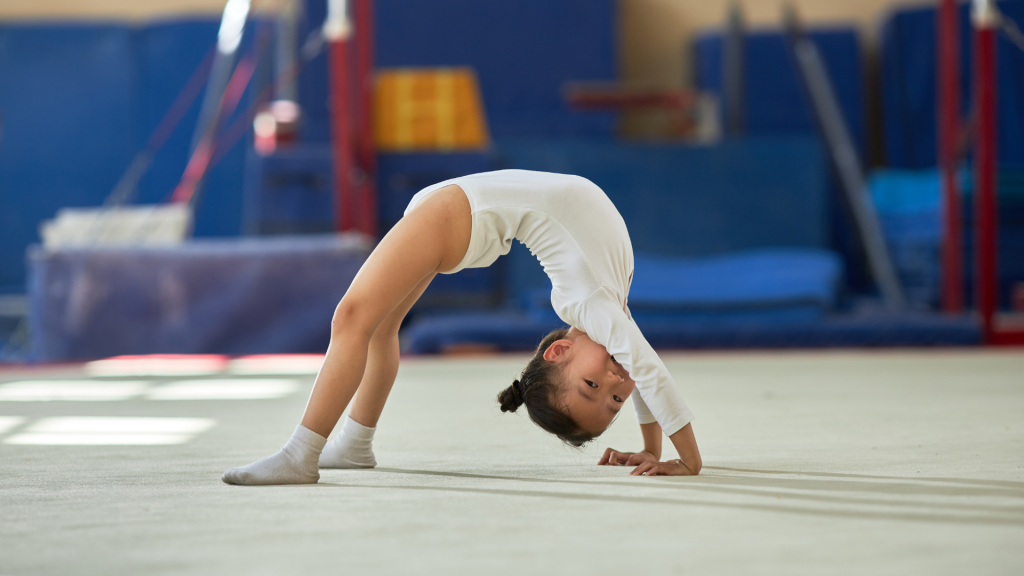
Let’s clarify this clearly.
Hypermobility is NOT:
Hypermobility IS:
With the right guidance, hypermobile joints can function safely and efficiently — without pain, fear, or unnecessary limitations. The goal isn’t to restrict your child, but to help their body move with strength, confidence, and stability as they grow.
Hypermobility simply means that a child’s joints move beyond the typical range expected for their age.
And here’s the key reassurance upfront:
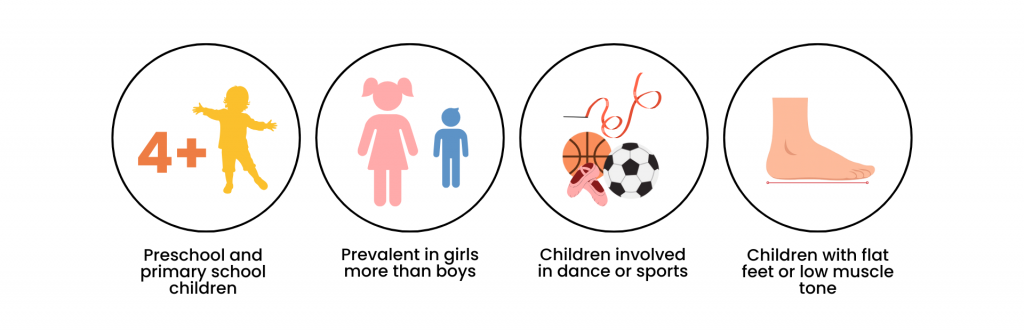
In Singapore, we often see this in:
For many children, joint flexibility naturally reduces as they grow older, develop strength, and mature neurologically.
So no — being flexible does not automatically mean something is wrong.
Where parents get confused (and understandably worried) is when flexibility comes with symptoms. This is where hypermobility can shift from being a benign trait to something that affects daily life.
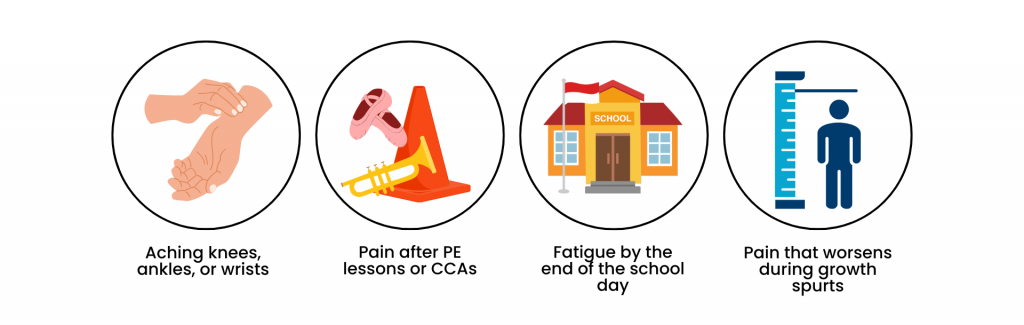
It can be. While some children feel nothing at all, others experience:
Pain is not something children should simply “tolerate” or “grow out of” without guidance.
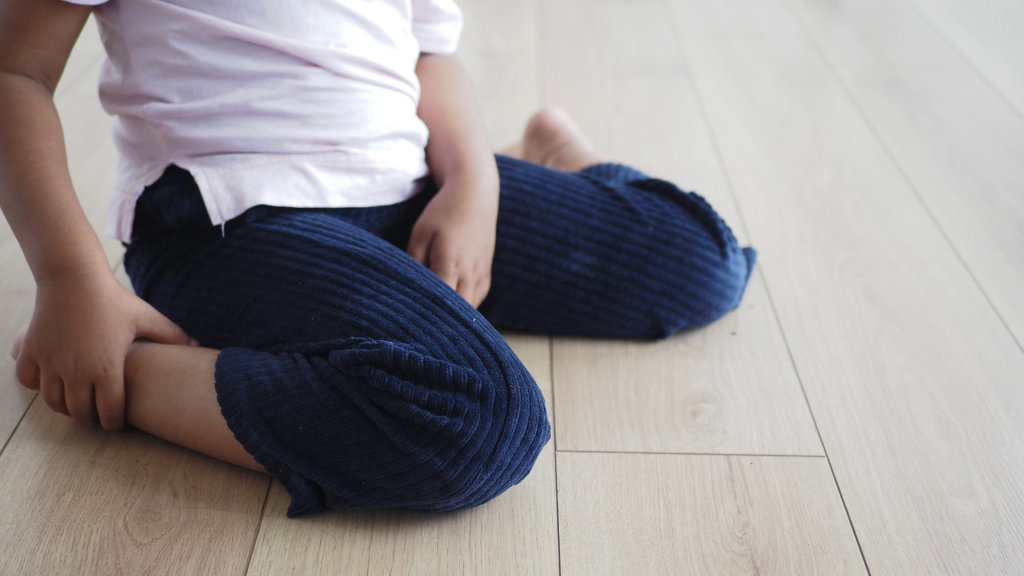
From a clinical perspective, these are red flags that flexibility may need attention:
When these signs are present, flexibility is no longer harmless — it’s placing extra strain on muscles and joints.
Yes — without proper strength and control, hypermobile children are more vulnerable to:
This is especially relevant in Singapore, where children often juggle:
A flexible joint without adequate muscular support behaves like a loose hinge — it moves easily, but not always safely.

It can. In clinic, we often see hypermobile children with:
These aren’t just “bad habits”. Often, they are compensation strategies because the body is trying to find stability.
This is one of the most common parent questions — and the honest answer is, some children do and some don’t.
Joint flexibility often reduces with age, especially after puberty. However:
The goal is not to “wait it out”, but to guide the child safely through growth.
On its own, flexibility does not doom a child to future problems. However, untreated symptomatic hypermobility may contribute to:
Current evidence suggests that hypermobility does not automatically cause arthritis. But long-term joint stress, poor mechanics, and repeated injuries can increase joint strain over time. This is why early guidance matters — not to restrict movement, but to build strong, stable movement patterns.

For children experiencing discomfort:
During PE & CCAs
Footwear matters
In Singapore, many children wear shoes for long hours.
Look for:
For some children, a podiatry assessment may help address foot instability that contributes to knee or ankle pain.
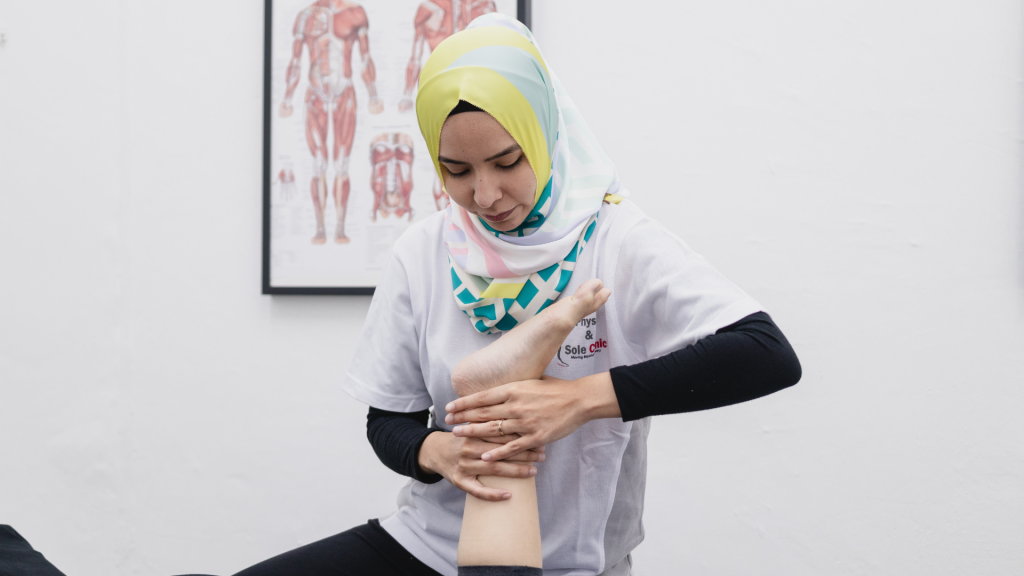
I recommend assessment by a physiotherapist or podiatrist when:
Early support is not over-medicalising — it’s preventive care.
A proper assessment focuses on:
Treatment usually includes:
The aim is simple: Confident, resilient movement — not fear or restriction.
Children with hypermobility thrive when they:
Many go on to excel in sports, dance, and physical activity — when guided appropriately.
If there’s one thing I want parents to take away, it’s this:
If you’re unsure whether your child’s flexibility is simply part of normal development — or something that needs support — a professional assessment can bring clarity and peace of mind.
At our physiotherapy clinic in Singapore, we work closely with children and adolescents to help them move stronger, safer, and more confidently through school, sports, and growth.
Reach out to us for a physiotherapy or podiatry assessment — and let’s support your child’s movement journey together.
Phone: 9126 8257
Fax: 6281 1209
Email: contact@physioandsole.com
Whatsapp a Podiatrist: 87706213