


Constipation happens mostly to women compared to men. Read on to find out how physiotherapy can help to manage this condition.
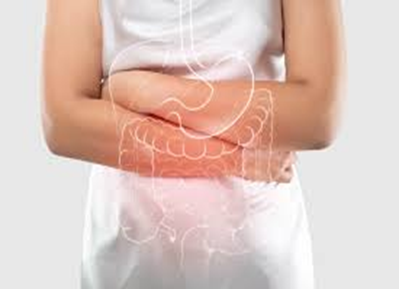
What is Constipation?
Constipation refers to infrequent bowel movements that are associated with discomfort or difficulty passing motion.
How Will I Know if I am Constipated?
Bowel habits vary widely from person to person. The frequency can be from 2-3 times daily to a few times each week. However, these are some common signs that suggest constipation:
- having lumpy and hard stools
- straining to move your bowels
- application of manual maneuver (e.g digitation) in passing your stools
- having a sensation of incomplete evacuation
- bowel movements less than 3 times a week
Who are at Risk of Getting Constipation?
It is widely reported that constipation is more common in women than men. It is more prevalent during pregnancy and with advancing age, in particular above 65 years old. There are also studies indicating that younger adults aged between 18 to 38 years are susceptible to suffer from constipation.
Will I Get Piles if I am Constipated?
Piles, also known as haemorrhoids, refers to swollen veins in the lower part of the rectum or around the anus. The development of piles is associated with high frequency of increased abdominal pressure, such as persistent straining during bowel movements or prolonged pushing during labour.
Is There a Particular Diet that I Should Follow to Manage Constipation?
A regular well-balanced diet with adequate fibre intake can help to promote normal functioning of your bowels. In addition, drinking at least 8-10 glasses of fluids (water, juice, soup, coffee or tea) could help to keep your stools soft.
Is There Any Link Between Pelvic Floor Activity and Constipation?
Yes. For people with constipation and existing pelvic floor issues, the muscles around the anus tightens rather than relaxes during defecation. This in turn causes further strain when passing stools. Some may also experience the sensation of incomplete bowel emptying when the pelvic floor muscles are unable to fully relax.
How Can Physiotherapy Help in the Management for Constipation?
A specialist physiotherapist can assess your pelvic floor muscles and tailor a pelvic floor physiotherapy programme which may include a combination of the following:
- Pelvic floor muscle retraining exercises
- Relaxation and stretching exercises
- Manual therapy
- Massage
- Electrical stimulation
- Diet and fluid intake advice
Do not continue suffering from constipation or piles. For more information, feel free to contact our clinic at 84813151.
Ready to feel better?
Book a consultation with our physiotherapy team for an assessment tailored to you.