


Blog
What you need to know about physiotherapy and podiatry.

 Our Locations
 Physio&SoleClinic
 Ingrown Toenails, Podiatry
  February 12 2026
Written by Ng Jia Lin, Principal Podiatrist at Women & Children’s Centre and Physio & Sole Clinic.
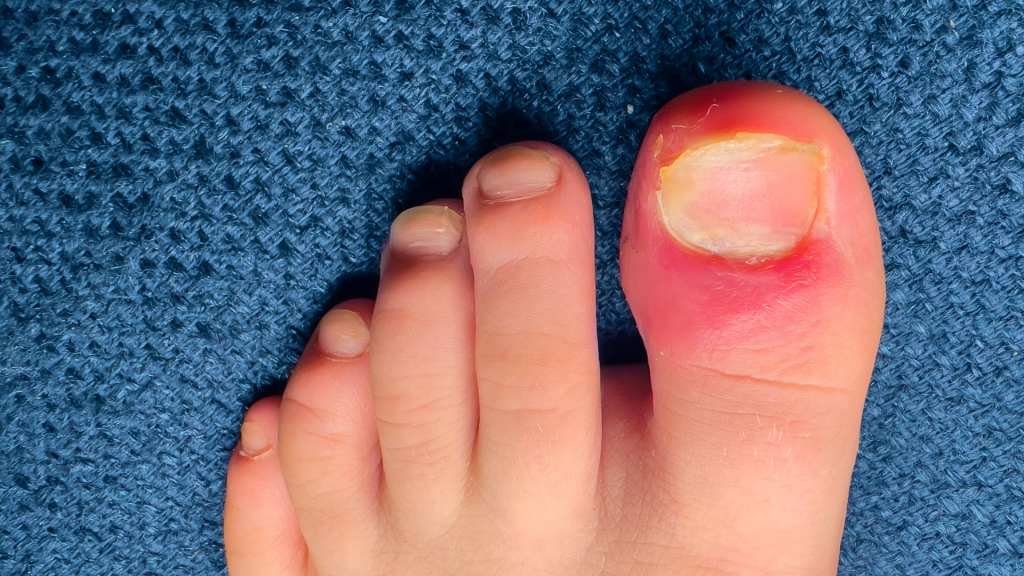
If you’re reading this, chances are your child is limping, crying, or refusing to let you touch their toe — and you’ve noticed a red, swollen corner of the nail that looks painful.
As a clinician, I want you to know this first:
Ingrown toenails in children are very common — and in most cases, very treatable.
But I also understand how worrying it can feel as a parent. Something that seems small (just a toenail!) can quickly become stressful when your child is in pain.
This guide will walk you through what parents in Singapore should do — and what you should avoid — when dealing with an ingrown toenail, with practical, evidence-based advice.
An ingrown toenail happens when the edge of the nail grows into the surrounding skin instead of over it.
This most often affects the big toe, and in children, it can develop surprisingly quickly.
The skin around the nail becomes irritated, inflamed, and sometimes infected. That’s why something as small as a nail corner can cause:
Parents often tell me:
“It looked like nothing yesterday, but today it’s so red and painful.”
That’s because toes are under constant pressure — from shoes, socks, running, and even bed sheets.
This is of utmost importance.
Signs of infection include:
If you see pus, infection is likely.
In Singapore’s humid climate, infections can develop quickly, especially when children are active and feet sweat in shoes all day. Do seek treatment urgently if infection presents.
Ingrown toenails in children can happen easily— and it’s usually not because of anything serious. In most cases, it comes down to everyday factors that put pressure on the toenail or affect how it grows.
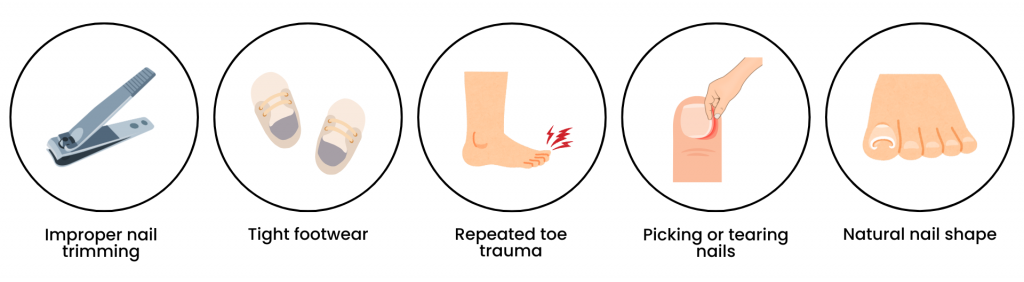
Here are the most common causes I see in children:
The good news is that most of these causes are preventable, and with the right trimming habits and footwear choices, ingrown toenails can often be avoided in the long term.
This is one of the first questions parents ask — and please don’t blame yourself. Yes, toenail trimming is one of the biggest causes of ingrown toenails in children, especially when nails are:
Children’s nails are softer and grow quickly, so small mistakes can easily lead to the nail edge pressing into the skin.
The good news? This is very preventable going forward.
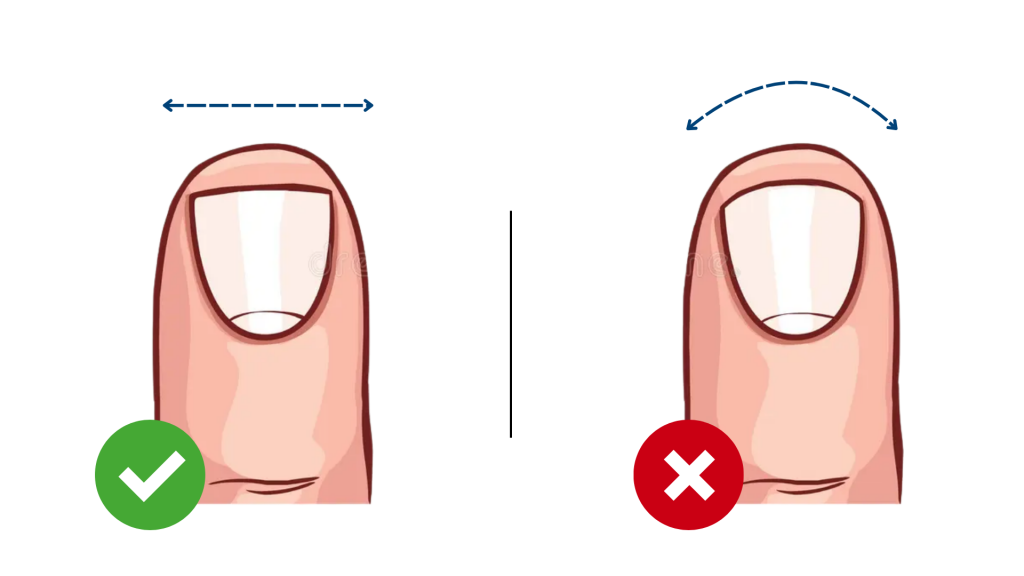
Here are my clinician-approved tips for proper nail trimming:
DO:
DON’T:
In Singapore, where many children wear covered school shoes daily, proper trimming is especially important to reduce pressure.
Tight footwear is one of the most overlooked contributors. Shoes that squeeze the toes can push the nail edge into the skin over time.
This is common in:
A simple check:
Your child should be able to wiggle their toes comfortably.
If the toe box is narrow, switching to a wider fit can make a big difference.
If the ingrown toenail is mild and there are no signs of infection, home care can help in the short term.
1. Warm salt water soaks
Soak the foot in warm water for 10–15 minutes, 1–2 times daily.
This helps:
For younger children, soaking during bath time works well.
2. Keep the toe clean and dry
After soaking:
However, it’s important to understand that while these steps may soothe the symptoms, they often do not fully solve the underlying problem — especially if a small nail spike is already embedded in the skin. In many cases, you will still need to consult a podiatrist to safely trim away the offending edge and gently lift the nail so it can grow out properly.
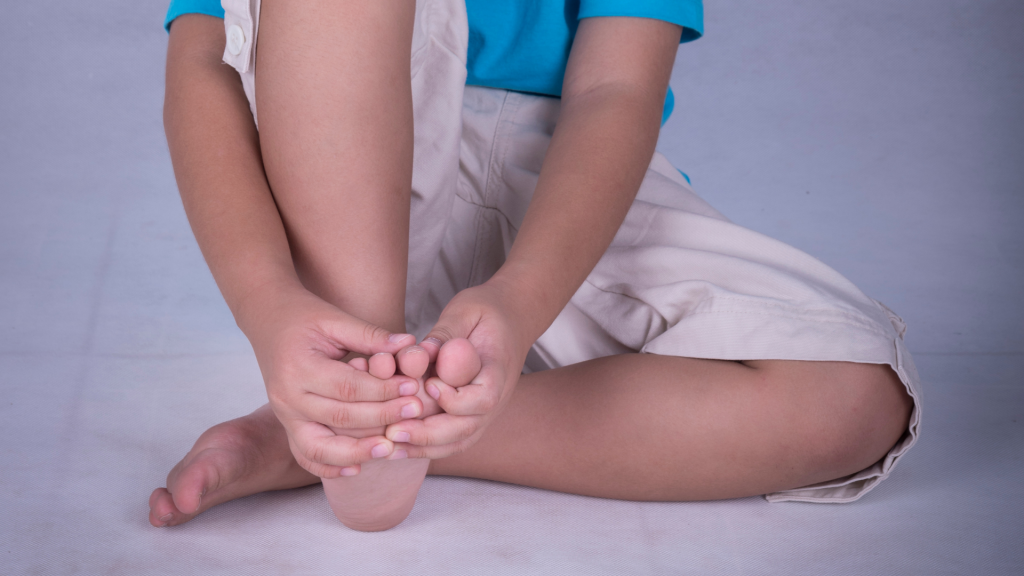
When your child is in pain, it’s natural to want to fix it immediately.
Many parents try things like:
Unfortunately, these well-meaning actions can sometimes worsen the problem.
In our podiatry clinic, I often see children whose ingrown nail became more inflamed because the area was repeatedly picked at or trimmed too deeply.
So let’s answer the most common parent questions clearly.
Do not attempt lifting if:
Children’s toes are sensitive, and improper lifting can cause more trauma. If the nail is deeply embedded, it’s safer to let a podiatrist handle it.
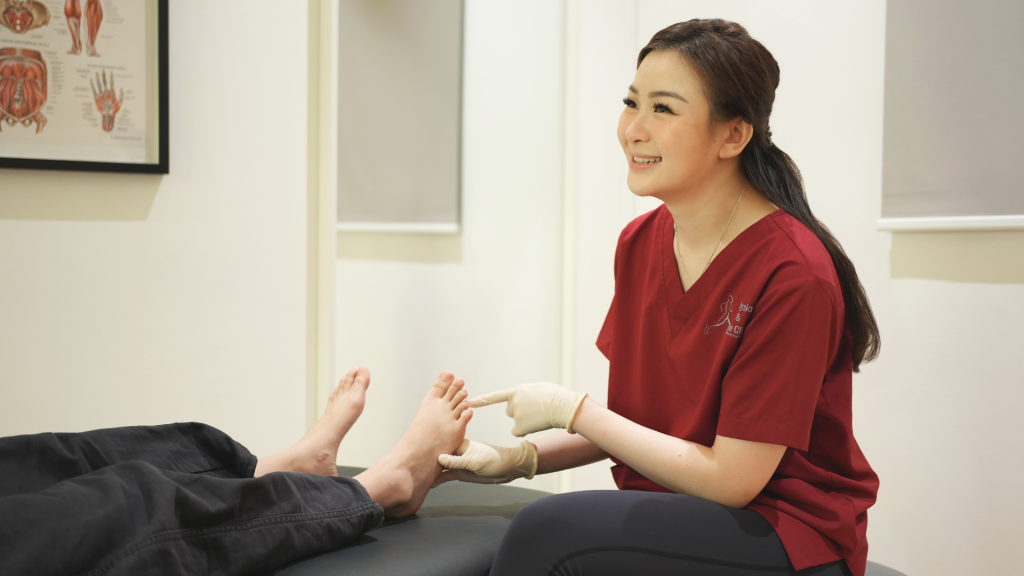
Many parents worry the treatment will be scary or painful. Let me reassure you, most children do very well with proper care.
At our podiatry clinic in Singapore, we will:
In recurrent or severe cases, a minor procedure may be needed to prevent the nail from growing inward again — but this is typically reserved for stubborn cases. Early treatment usually avoids the need for anything invasive.
Once the toe improves, prevention is key.
Nail care routine
Footwear habits
For sporty kids
Children in football, netball, running, or dance are more prone due to repeated toe pressure.
Make sure sports shoes are not overly tight in the toe box.
Ingrown toenails in children may look alarming, but in most cases, they are manageable with early care, proper trimming, and timely professional support.
If your child is in pain, you don’t have to guess or Google your way through it alone.
If your child has an ingrown toenail that looks swollen, painful, or possibly infected — or if it keeps coming back — our paediatric podiatry team is here to help.
We can assess the toe gently, provide safe treatment, and guide you on long-term prevention so your child can walk, run, and play comfortably again.
Book an appointment today or reach out to us for advice — early care makes all the difference.
Phone: 9126 8257
Fax: 6281 1209
Email: contact@physioandsole.com
Whatsapp a Podiatrist: 87706213