


Blog
What you need to know about physiotherapy and podiatry.

 Our Locations
 Physio&SoleClinic
 Uncategorized
  January 23 2026
Written by Ng Jialin, Principal Podiatrist at Women & Children Centre and Physio & Sole Clinic

As a clinician working with children and adolescents, one of the most common concerns parents raise is heel pain in kids — especially when it starts to affect school, sports, or even simple daily activities. Many parents wonder if it’s “just growing pains” or something more serious.
The short answer? Heel pain in children is common, but it isn’t something to ignore. With the right assessment and guidance, most children recover well and return to the activities they love.
In this guide, I’ll explain the most common cause of heel pain in kids, Sever’s disease, how to recognise it, and what actually helps.
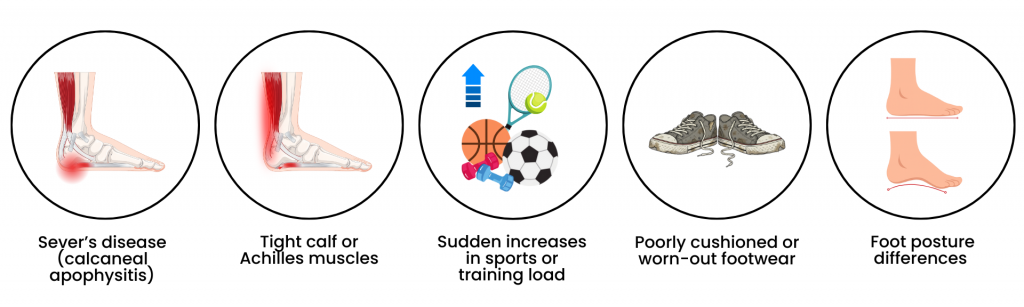
Heel pain in children is usually mechanical, meaning it’s related to how the foot is coping with growth and activity. Unlike adults, children have growth plates — areas of developing bone that are more vulnerable to stress.
Common causes include:
While parents often hear the term growing pains, true growing pains typically occur at night and do not cause limping or pain during activity. Heel pain that worsens with running or jumping is different and deserves attention.
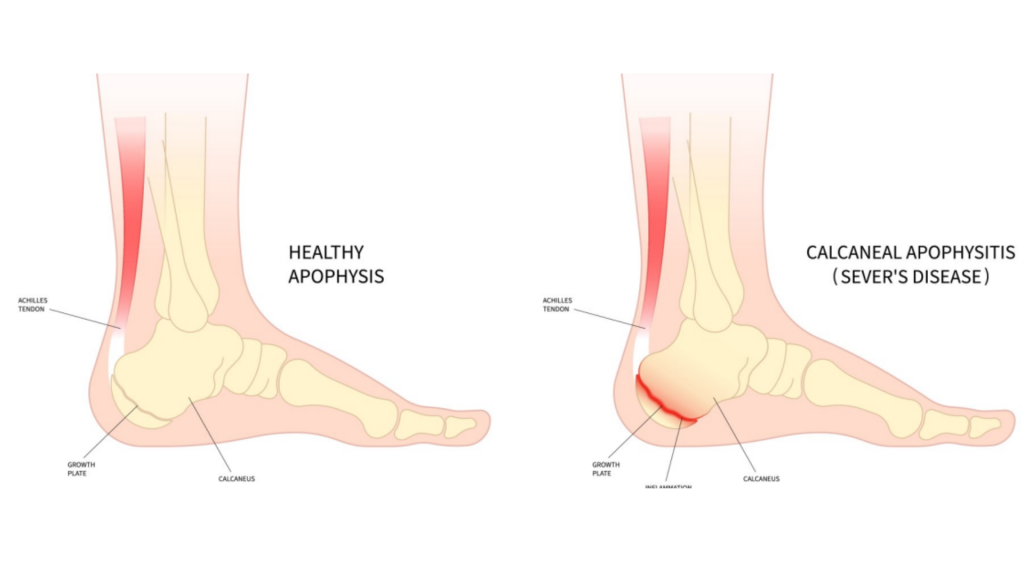
Despite the worrying name, Sever’s disease is not a disease in the traditional sense. It is a temporary growth-related condition also known as calcaneal apophysitis.
It occurs when repeated pulling from the Achilles tendon irritates the heel’s growth plate. During growth spurts, the heel bone often grows faster than the muscles and tendons can adapt, increasing tension at this sensitive area.
The good news:
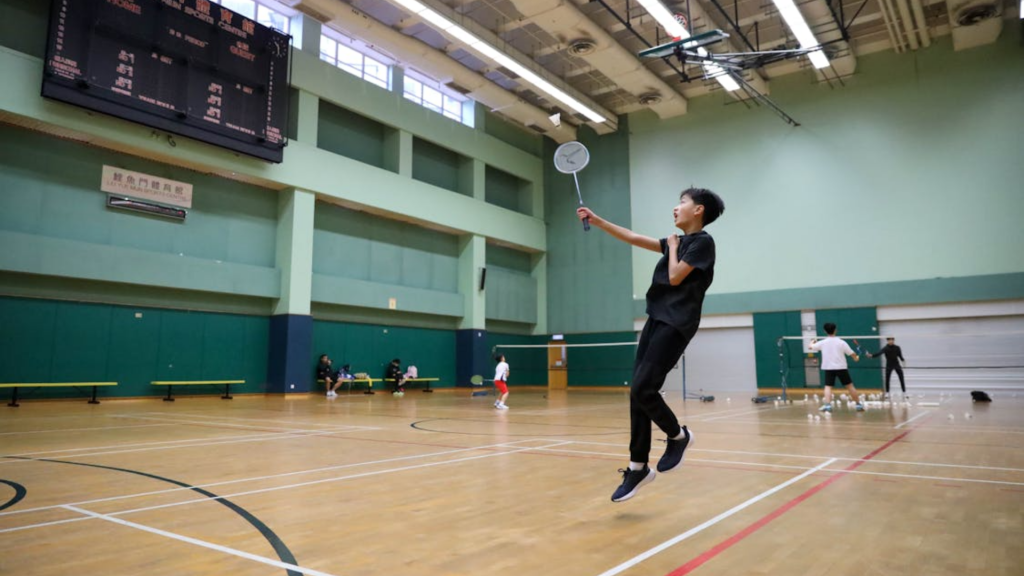
Sever’s disease most commonly affects children between 8 and 14 years old, especially during rapid growth phases.
Risk factors include:
In Singapore, year-round sports and school CCAs mean children often don’t get a true “off-season,” which can increase the risk of overuse injuries like heel pain.
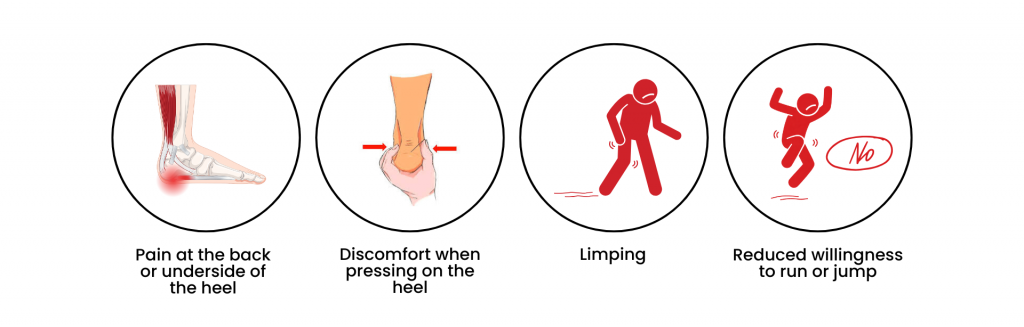
Children often describe:
Some children may not complain much at first and instead quietly avoid activities they enjoy, something parents often notice before the child mentions pain.
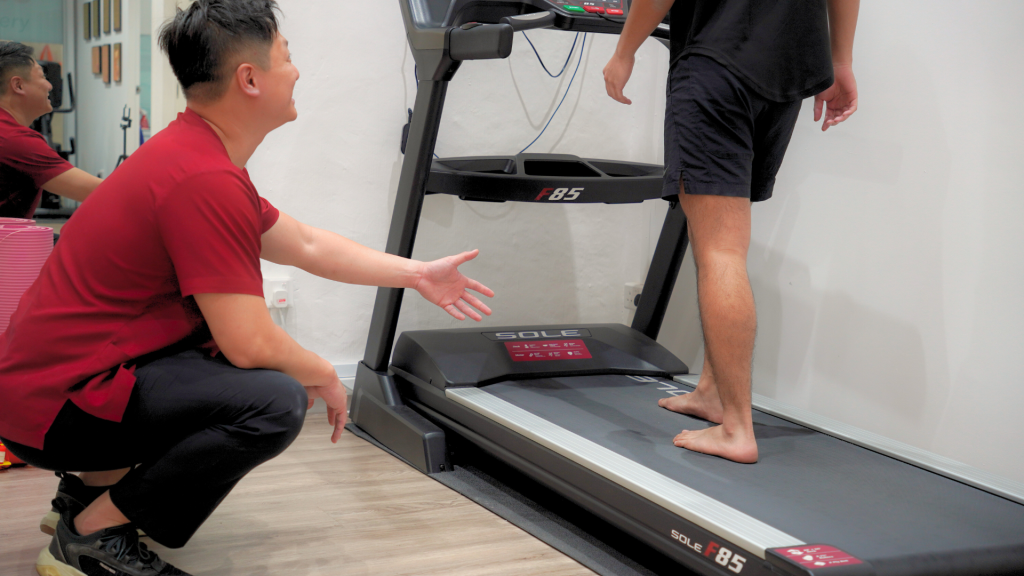
In most cases, X-rays or scans are not needed. Diagnosis is based on:
This is where child-specific biomechanical and gait analysis matters. Children are not just “small adults,” their growing bodies require a different clinical approach. Early assessment often leads to simpler, faster recovery and helps prevent unnecessary disruption to your child’s routine.
With appropriate care, many children improve within 6 to 12 weeks. However, recovery time varies depending on:
Children who continue high-impact activities without adjustments often experience symptoms that linger for months or keep returning during growth spurts.
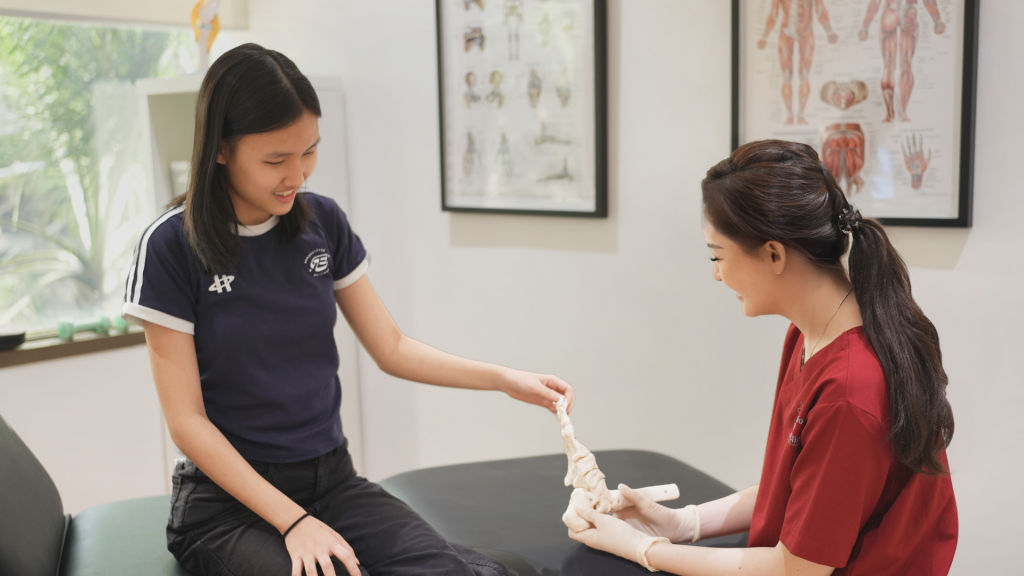
At our clinic, we believe that effective treatment starts with a deep understanding of pediatric development. When seeking a podiatrist Singapore parents often look for a balance between clinical expertise and a gentle approach that puts their child at ease. Evidence-based management focuses on reducing stress at the growth plate while supporting healthy movement.
Common strategies include:
Treatment plans should always be tailored to the child’s age, activity level, and stage of growth.
Our approach focuses on:
We understand how important sport, play, and school life are—and our goal is to help children return to them comfortably and confidently.
If your child is complaining of heel pain, limping after school, or pulling back from activities they once enjoyed, you’re not overreacting by seeking advice. Early, professional assessment can make a real difference — often preventing weeks or months of ongoing discomfort.
If you’re unsure whether your child’s heel pain needs attention, a paediatric podiatry assessment can provide clarity, reassurance, and a clear plan forward. Your child doesn’t have to “just put up with it” — and you don’t have to figure it out alone.
Book an assessment with us at Women and Children Centre, and let’s work together to keep your feet healthy, supported, and pain-free.
Phone: 9126 8257
Fax: 6281 1209
Email: contact@physioandsole.com
Whatsapp a Podiatrist: 87706213