Scoliosis in children often goes unnoticed until the curve worsens. Learn how to spot the early signs, what causes scoliosis, and how physiotherapy in Singapore can help manage it before it becomes serious
You’ve probably seen it before. Maybe your child is getting dressed for school, and you notice their shirt hangs unevenly. Or during swimming class, you see their spine looks slightly curved when they bend forward.
At first glance, it may seem like a growth phase or “just bad posture.” But sometimes, these subtle signs could point to scoliosis in children.
Scoliosis often sneaks in quietly. It doesn’t always cause pain, and many parents in Singapore don’t realise their child has it until the curve is more obvious, and by then, treatment can become more complex.
This guide will help you:
✅ Understand what scoliosis is
✅ Recognise early signs before it gets serious
✅ Learn when to seek professional help
✅ Explore physiotherapy options available in Singapore
What is Scoliosis?
Scoliosis is a sideways curvature of the spine. Instead of growing straight, the spine bends into an “S” or “C” shape. It can range from very mild to severe.
Key Facts for Parents:
- Most common in kids aged 10–15 during growth spurts.
- Girls are slightly more likely than boys to develop scoliosis.
- Many mild cases go unnoticed until school screenings or physical checks.
Unlike poor posture, which can be corrected with reminders to “sit up straight,” scoliosis is a structural condition that requires medical monitoring and professional care.
Why Early Detection Matters?
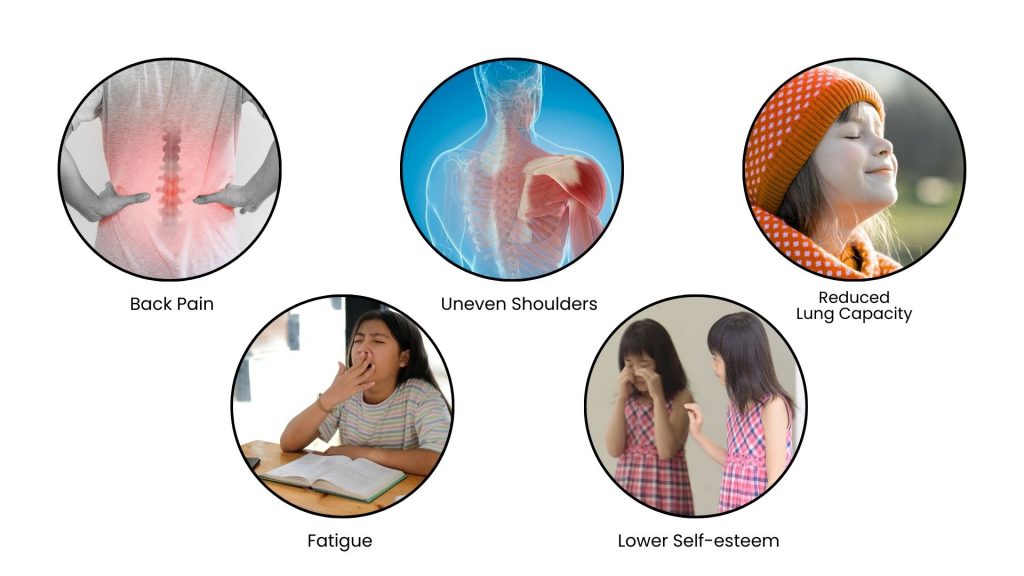
Scoliosis often starts small — just a few degrees of curvature. But as your child grows taller, the curve can progress quickly.
Left untreated, scoliosis can lead to:
- Back pain and stiffness
- Uneven shoulders or hips that affect movement
- Fatigue when sitting or standing for long periods
- In severe cases, reduced lung capacity due to rib cage changes
- Lowered confidence or self-esteem, especially in teenage years
With early physiotherapy intervention, scoliosis can often be managed successfully without the need for surgery. The earlier it’s detected, the better the chances of controlling or slowing progression.
Causes of Scoliosis in Children
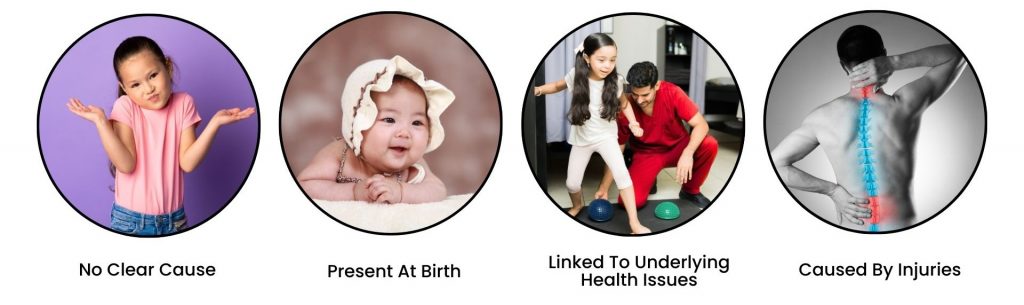
There are different types of scoliosis, and understanding the cause helps guide treatment:
Idiopathic Scoliosis (Most Common)
- No clear cause
- Often develops during puberty (growth spurts)
- Accounts for about 80% of cases in children and adolescents
Congenital Scoliosis
- Present at birth due to abnormal spinal development
- Rare, but usually detected earlier in life
Neuromuscular Scoliosis
- Linked to conditions like cerebral palsy or muscular dystrophy
- More complex to manage due to underlying health issues
Secondary Scoliosis
- Caused by injuries, infections, or other medical conditions
Early Signs Parents Should Watch For

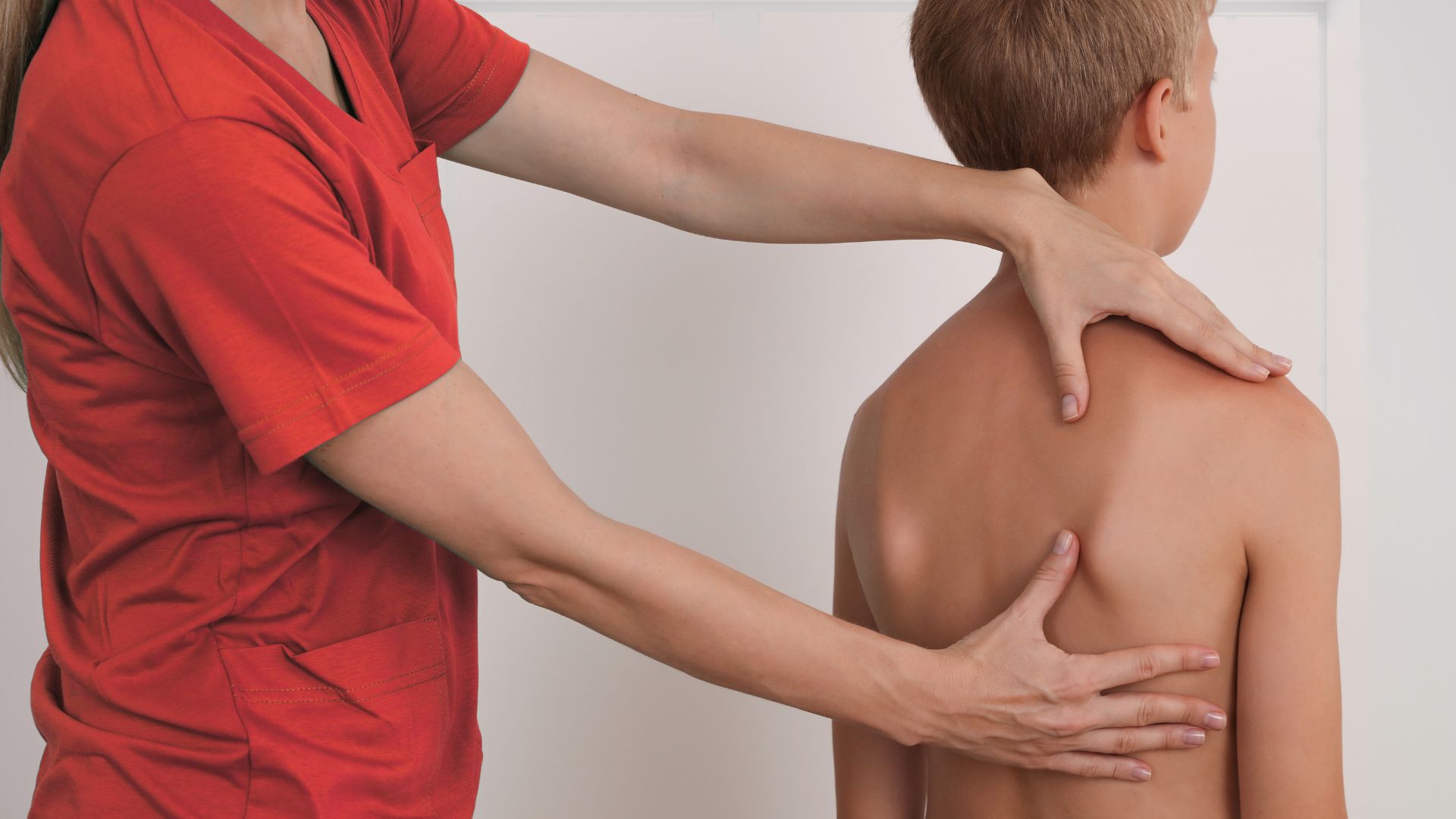
The tricky part about scoliosis is that it often doesn’t cause pain in the early stages. That’s why visual checks are so important. Here are some key signs:
- Uneven shoulders or one shoulder blade sticking out
- Clothing that doesn’t hang evenly
- Leaning to one side when standing
- Ribs sticking out more on one side
- Visible curve when your child bends forward (forward bend test)
The At-Home Posture Test for Parents
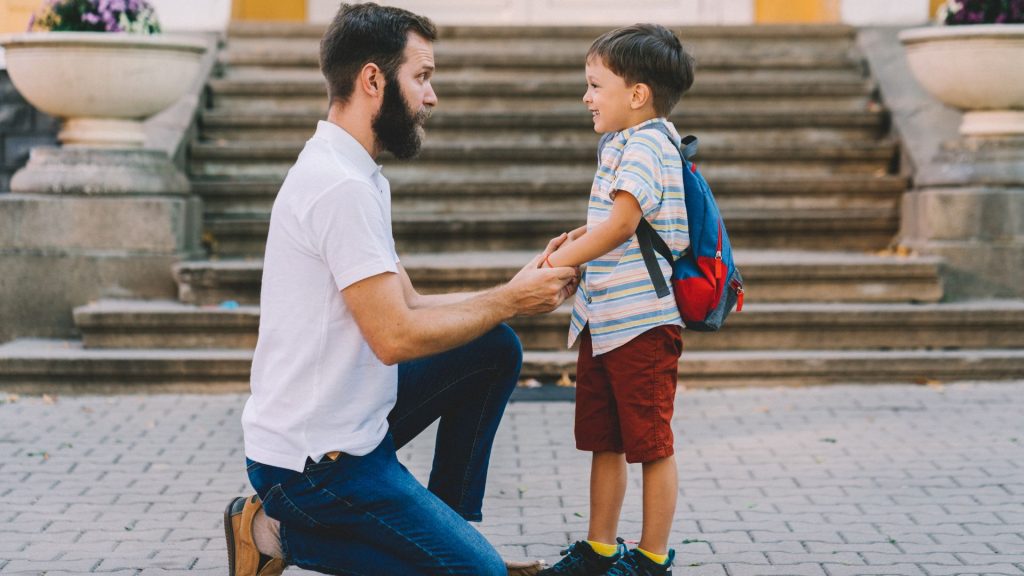
You can do a simple check at home to spot possible scoliosis:
Standing Check:
- Ask your child to stand upright with arms by their side.
- Look at their shoulders: are they level?
- Check if the hips and waistline are even.
Forward Bend Test:
- Ask your child to bend forward with arms hanging down.
- Look from behind: do you see a rib hump or uneven back?
Clothing Fit Test:
- Notice if shirts, dresses, or school uniforms consistently hang unevenly.
If you spot one or more of these, it’s worth scheduling a posture screening with a physiotherapist.
How Physiotherapy Helps Children with Scoliosis?
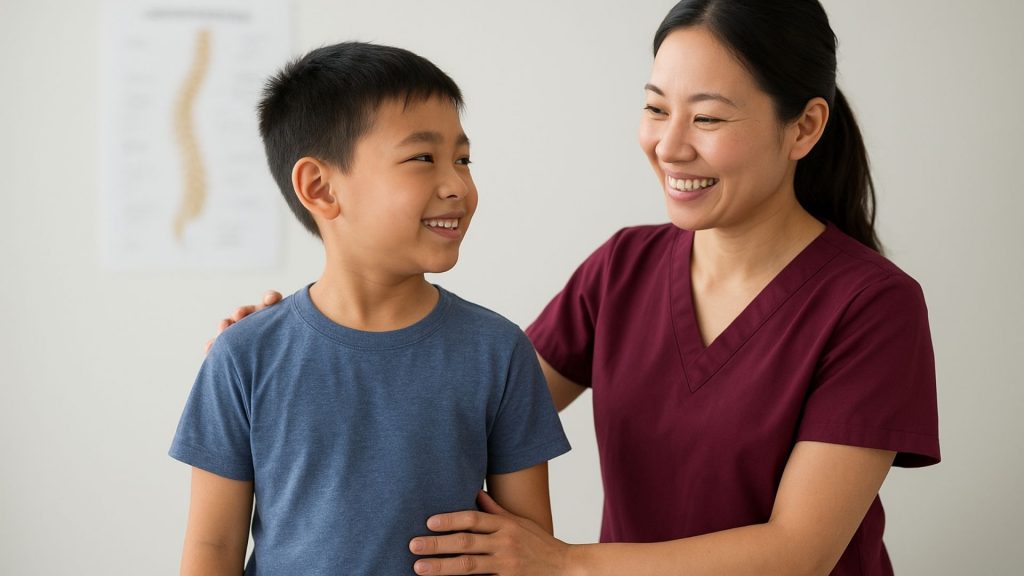
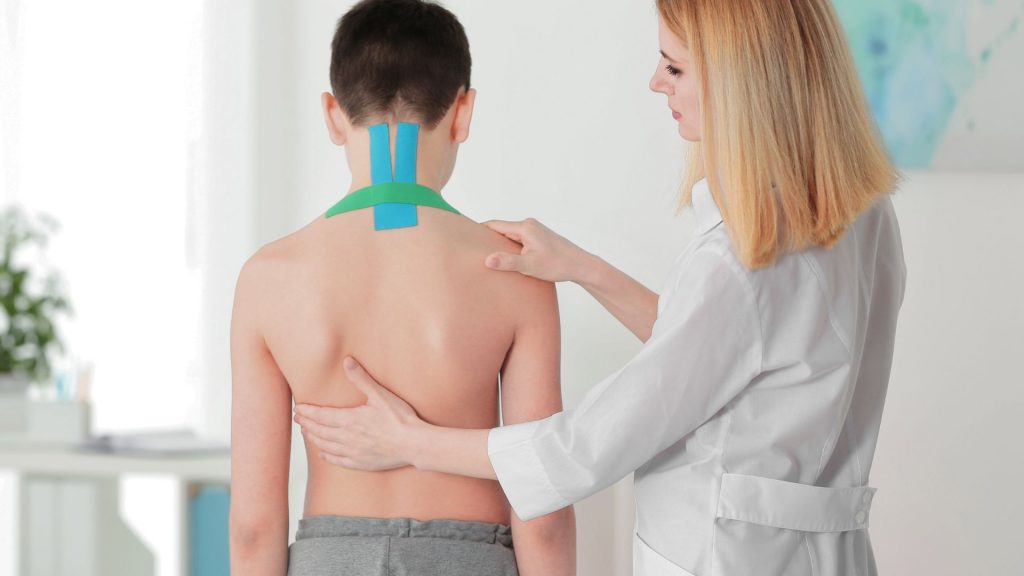
At Physio & Sole Clinic, our physiotherapists use a comprehensive, child-friendly approach:
Posture & Spine Assessments – Checking alignment, growth, and mobility.
Scoliosis-Specific Exercises (Schroth Programme) – Targeted exercises designed for structural curves to improve postural correction and help minimise curve progression.
Custom Exercise Programs – Strengthening core, back, and posture muscles.
Gait & Foot Checks – Since flat feet or walking patterns can worsen posture.
Ergonomic Advice – Guidance on school bag use, study setups, and screen time.
Ongoing Monitoring – Tracking posture as your child grows.
These strategies don’t just improve alignment, they also build strength and confidence, helping children stay active and pain-free.
Case Study: Meet Clara
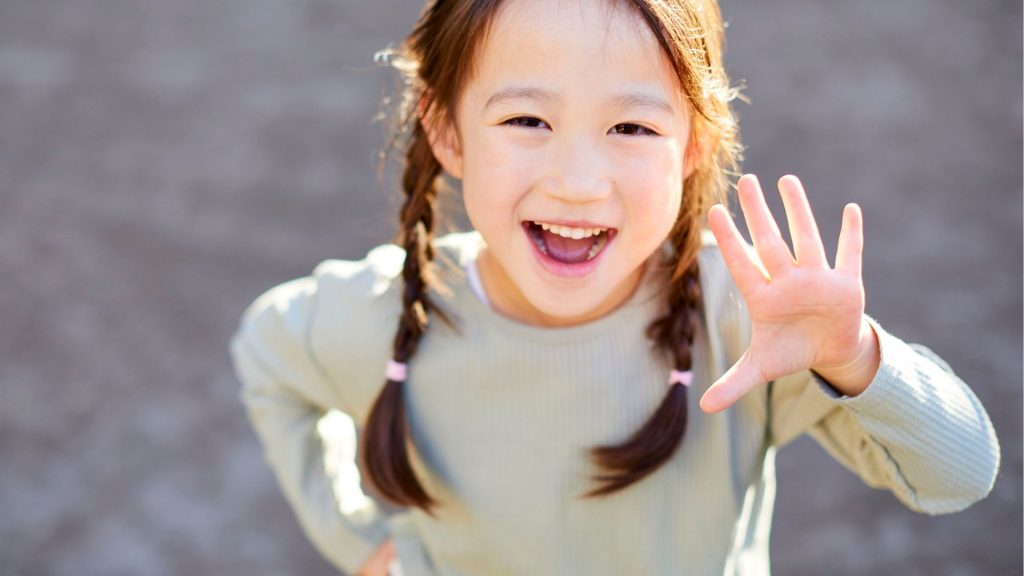
Clara, a 12-year-old, was brought in when her mother noticed her dresses always hung unevenly. Clara had mild scoliosis, which could have worsened with puberty.
Through weekly physiotherapy sessions and posture exercises, Clara gained strength and stability. After 6 months, her curve stabilised, and she now confidently participates in netball.
Her mother shared, “We’re grateful we caught it early. Physiotherapy helped Clara stand taller, literally and emotionally.”
Top 5 Daily Habits to Support Kids with Scoliosis
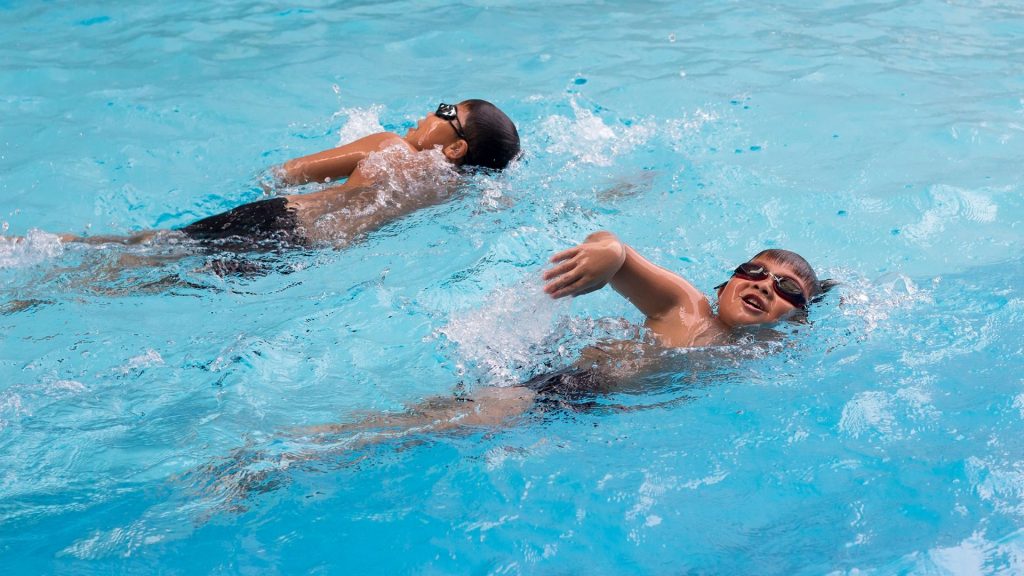
Even outside of physiotherapy sessions, parents can help their children develop good habits that protect their spines.
1. School Bag Management
Follow HPB’s guideline: bag weight should be no more than 10–15% of body weight.
Choose a bag with wide, padded straps and good back support.
Encourage carrying on both shoulders.
2. Ergonomic Study Setups
Keep screens at eye level to avoid slouching.
Use chairs that support the lower back.
Ensure feet rest flat on the floor (use a small stool if needed).
3. Active Breaks from Screen Time
Follow the 20-20-20 rule: every 20 minutes, look 20 feet away for 20 seconds.
Encourage stretching, walking, or simple posture exercises between study sessions to maintain physical well-being.
4. Sports & Exercise
Encourage activities that strengthen core and back muscles (e.g., swimming, Pilates-inspired kids’ exercises, or martial arts).
Avoid sports that may put asymmetrical stress on the spine (e.g., heavy one-sided carrying).
5. Sleep Posture
A firm mattress helps maintain spinal alignment.
Teach children to avoid stomach sleeping, which can strain their back.
What Happens If Scoliosis Is Ignored?
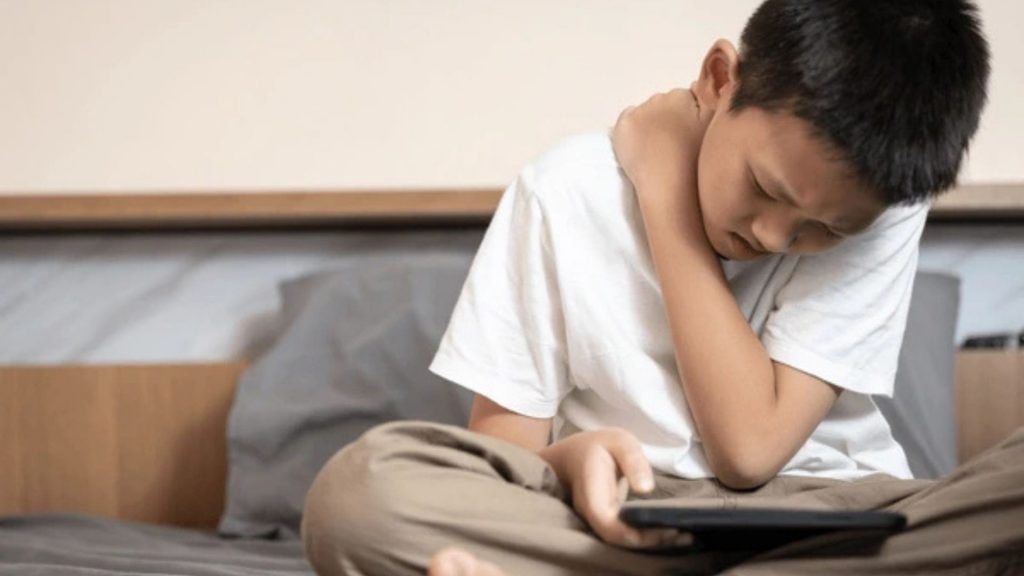
While mild scoliosis may not always progress, ignoring moderate or worsening cases can lead to:
- Increased spinal curvature
- Chronic back pain
- Muscle imbalance and stiffness
- Reduced flexibility
- Cosmetic concerns (visible spinal curve, uneven shoulders or hips)
- In severe cases, breathing difficulties due to rib cage compression
Early detection and physiotherapy can prevent these outcomes and keep your child active and confident.
Final Reassurance for Parents
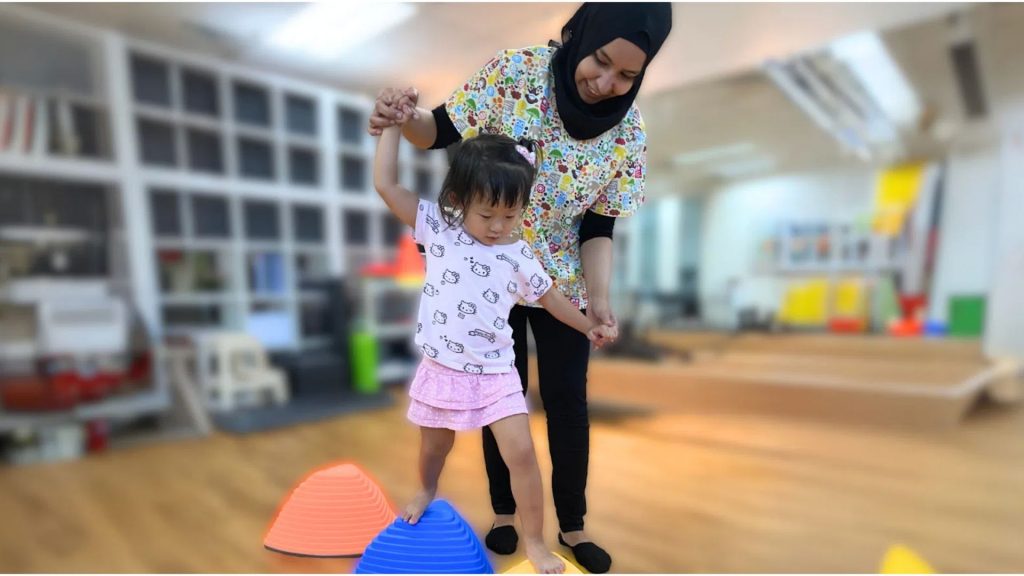
Hearing the word “scoliosis” can feel daunting. But here’s the good news: with targeted and early intervention, many cases in children can be managed effectively.
Think of it like spotting a small leak in the roof; the earlier you catch it, the easier it is to fix. With early detection, physiotherapy, and lifestyle changes, your child can continue to grow strong, active, and confident. You don’t have to face this worry alone; the team at the Women & Children Centre is here to guide you every step of the way.
Ready to feel better?
Book a consultation with our physiotherapy team for an assessment tailored to you.