

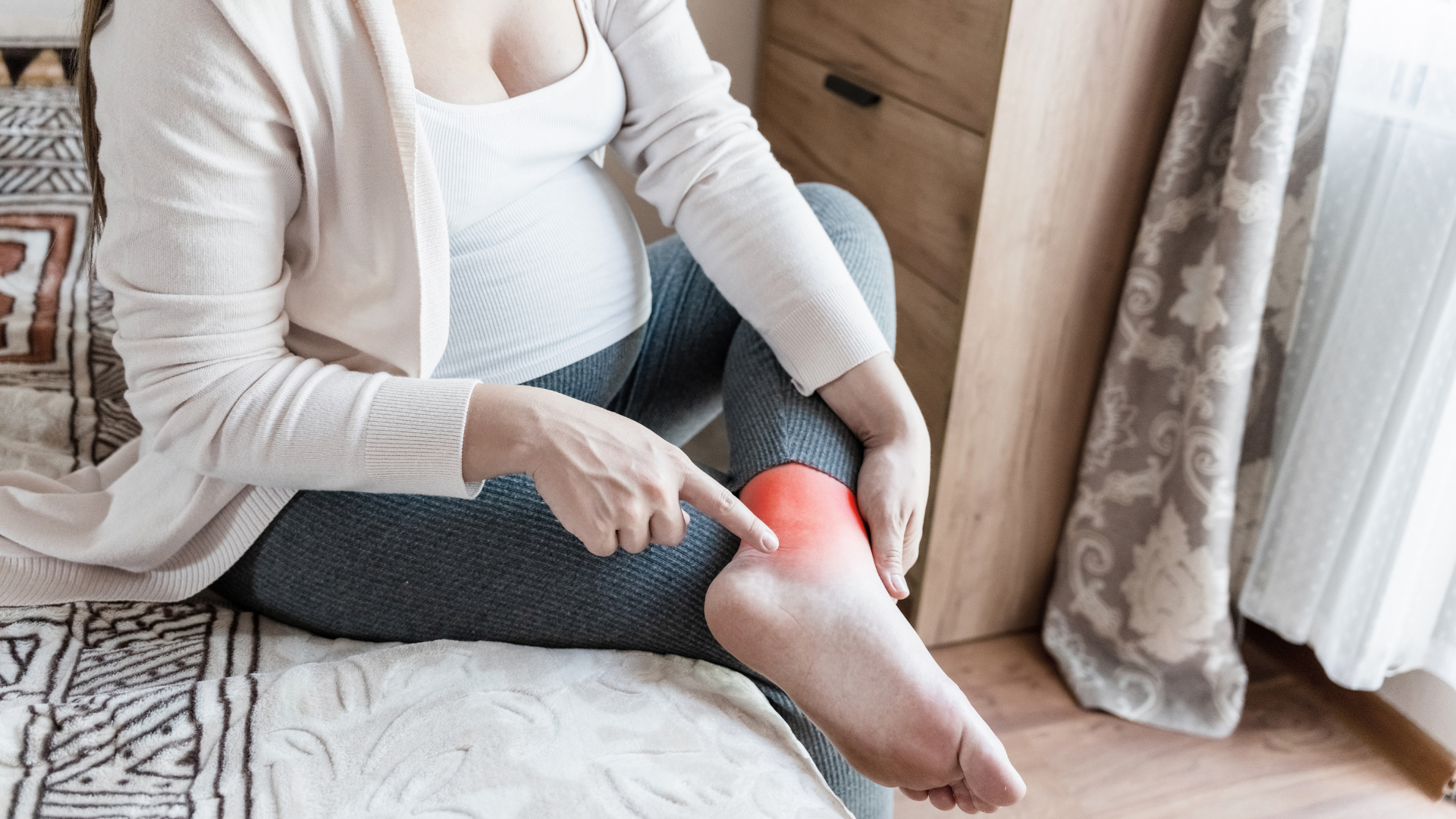
Sore, swollen feet are common in pregnancy, and most of the time nothing is wrong. What is normal, the few signs that need a doctor, and how a podiatrist can help.
It is 4pm, the shoes that fitted this morning are digging in, and your heel has started to hurt in a way it never did before you were pregnant. Is this just what pregnancy does, or is something wrong? For most women the answer always feels like the first one. But it is important to identify when something is amiss and when you do need medical help.
Is Foot Pain During Pregnancy Normal?
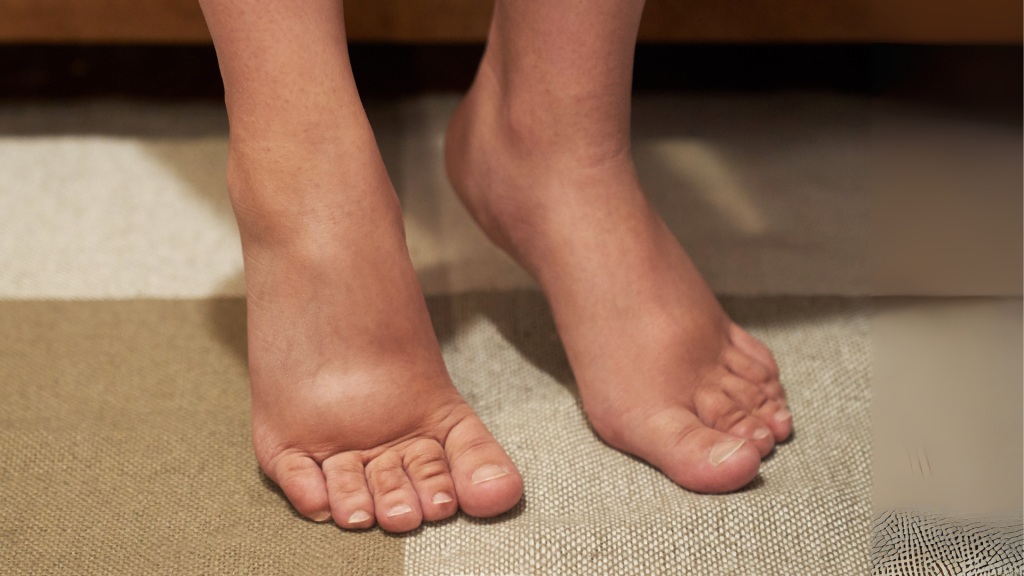
Yes, sore and swollen feet are very common during pregnancy, and most of the time they are not a sign that anything is wrong. Singapore hospital guidance estimates that up to 80% of pregnant women develop swelling in the lower limbs, usually worse by the end of the day.
Pain tends to creep in gradually, which is why many women put up with it for weeks. At our clinics, heel pain is something our podiatrists commonly see in the third trimester, and again after delivery, when you are carrying a baby for most of the day. You can read more on our heel pain page.
Why Do My Feet Hurt More Than Usual?
Several changes happen at once, and they stack.
- Extra weight. A sudden increase in weight, especially in the first few months, changes how your feet carry you and the arches may lower.
- Looser ligaments. Pregnancy releases a hormone called relaxin, which lets the pelvis open for delivery. Our podiatrists explain that it can relax the ligaments in the feet and ankles as well.
- Extra fluid. Water retention and added pressure on the blood vessels in the legs cause the swelling many women notice at the end of the day.
- A shifting centre of gravity. As your bump grows, your posture changes, which can strain the back and, in turn, how you stand and walk.
Put together, it is easy to see why a pair of shoes that worked at 12 weeks can feel wrong at week 30.
Is It Normal, or Do I Need to See a Doctor?
General swelling in both feet is normal. Swelling that comes with other symptoms is not, and it is a job for a doctor, not a podiatrist. We would rather you made a call you did not need than waited on one you did. Use this as a guide, and when in doubt, ask your doctor.
| What you notice | What it usually is | What to do |
|---|---|---|
| Mild swelling in both feet or ankles, worse by evening | Very common in pregnancy | Rest with your feet up and check your shoes. If it persists even with rest, mention it to your doctor |
| Swelling with high blood pressure and/or breathlessness | Can be a sign of pre-eclampsia | See a doctor. Do not wait for a podiatry appointment |
| Swelling in only one leg, with pain and/or breathlessness | Can be a blood clot in the leg (deep vein thrombosis) | See a doctor promptly. Do not wait for a podiatry appointment |
| Sudden swelling, especially of the face or hands, or swelling with a severe headache or changes in vision | Can be a warning sign of pre-eclampsia | Contact your doctor or maternity unit straight away |
| Heel pain, especially in the third trimester | Often linked to extra weight; plantar fasciitis is one common cause | Book a podiatry assessment |
| Aching arches and tired feet after walking | Arches often lower in pregnancy | Book a podiatry assessment |
| Hard skin or sore spots from shoes | Corns and calluses from added pressure on the feet | Book a podiatry visit |
| Sharp pain at the edge of a toenail | Possibly an ingrown toenail | See our guide on ingrown toenails in pregnancy, then book |
| Night-time leg cramps | Common in late pregnancy | Mention to your doctor if they disrupt your sleep, are very painful or worry you |
This table is general education and not a diagnosis. If something feels wrong to you, trust that and get it checked.
What Can I Do At Home To Ease Sore Feet?
Start with your shoes and your feet-up time; both are free and both help. Hospital guidance for common pregnancy symptoms suggests the following:
- Avoid standing for long stretches without moving.
- Wear comfortable shoes with no tight straps. Low-heeled shoes with good support, such as walking shoes, are a better bet than heels or flimsy flats.
- Raise your feet as often as you can.
- Keep walking regularly to help your circulation.
- Compression stockings can help blood flow back towards the heart and limit swelling.
Shoe size is worth checking more than once. Lower limb swelling is very common during and after pregnancy, so measure your feet while standing, and shop later in the day when your feet are at their largest. Our footwear advice page explains why a poor fit can lead to ingrown toenails, corns, heel pain and ankle problems.
When Should I See a Podiatrist?
Consult a podiatrist once pain is stopping you from walking comfortably, or when simple changes have not helped. You do not need to wait until it is unbearable. Pregnancy-related problems our podiatrists see include:
- Heel pain
- Flat feet and aching arches
- Corns and calluses
- Ingrown toenails
- Shoes that no longer fit, and what to wear instead
Our guide to the common foot and ankle problems of pregnancy goes through each of these in more detail.
The swelling patterns in the table above are the exception. For that you should consult your doctor.
How Can a Podiatrist Help During Pregnancy?
A visit starts with listening and looking at the whole picture, not only the sore spot. For pregnancy-related flat feet, for example, the assessment covers your hips, knees, ankles and feet, how you stand and walk, and your footwear. From there, your podiatrist prescribes a treatment plan that can include foot orthoses (insoles), footwear changes and specific exercises to strengthen the ankles and feet.
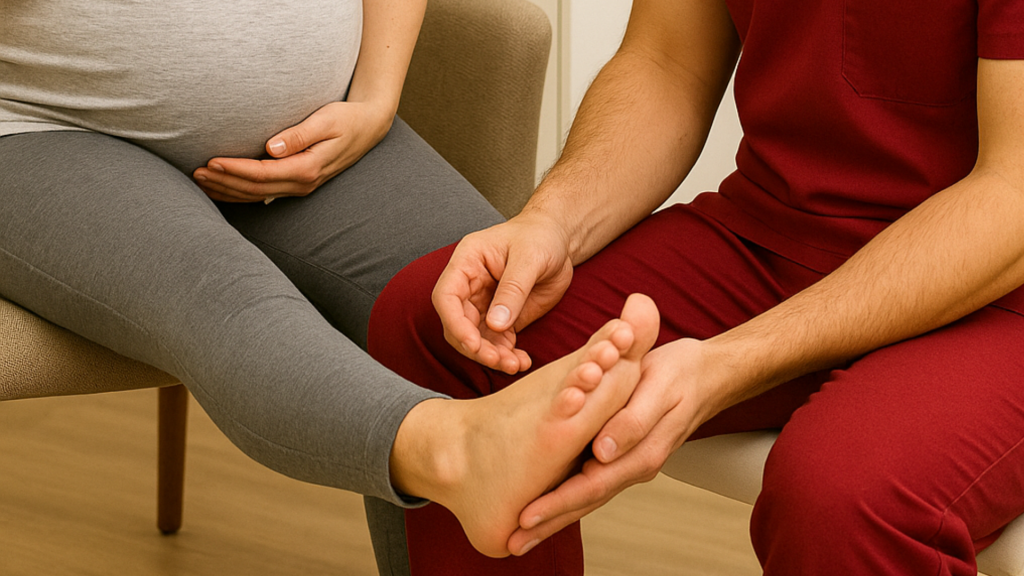
Custom foot orthoses are made to suit your foot type, weight, activity level and footwear, and can be prescribed from a 3D scan of your feet. What suits you depends on your assessment, and we will tell you plainly if something is not needed.
If your foot pain comes with back or pelvic pain, our women’s health physiotherapy services cover pregnancy-related pelvic girdle and back pain.
Frequently Asked Questions
Are swollen feet normal in pregnancy?
Mild swelling in both feet, worse by the end of the day, is very common; up to 80% of pregnant women notice some. Swelling with high blood pressure or breathlessness, or in one leg only with pain, needs urgent medical assessment.
What shoes should I wear while pregnant?
Comfortable, low-heeled shoes with good support and adjustable straps. Check the size again as your feet change.
Can I use insoles or orthotics while pregnant?
Foot orthoses are one of the options our podiatrists use in a treatment plan for pregnancy-related flat feet. Whether they suit you is advised upon assessment.
Why does my heel hurt in the third trimester?
Heel pain is commonly experienced then because of the increase in weight. Plantar fasciitis (bottom of the heel) and Achilles tendinitis (back of the heel) are the most common causes of heel pain in general.
Will my feet feel better after the baby arrives?
It varies. Foot pain can carry on after delivery, since carrying a baby most of the day adds load to your heels. If it lingers, book an assessment rather than waiting it out.
Looking After Your Feet Until Baby Arrives
Your feet are doing extra work for nine months. Sore, puffy feet are common, there are simple things that help, and you do not have to put up with pain that is stopping you from enjoying this stage. Know the few signs that need a doctor, and let us look after the rest.
Ready for a foot check? Book an appointment with our women’s health podiatry team.
References
- KK Women’s and Children’s Hospital (SingHealth), “Coping with Common Symptoms in Pregnancy”: https://www.kkh.com.sg/symptoms-treatments/coping-with-common-symptoms-in-pregnancy (accessed 6 Oct 2026)
Ready to feel better?
Book a consultation with our podiatry team for an assessment tailored to you.