
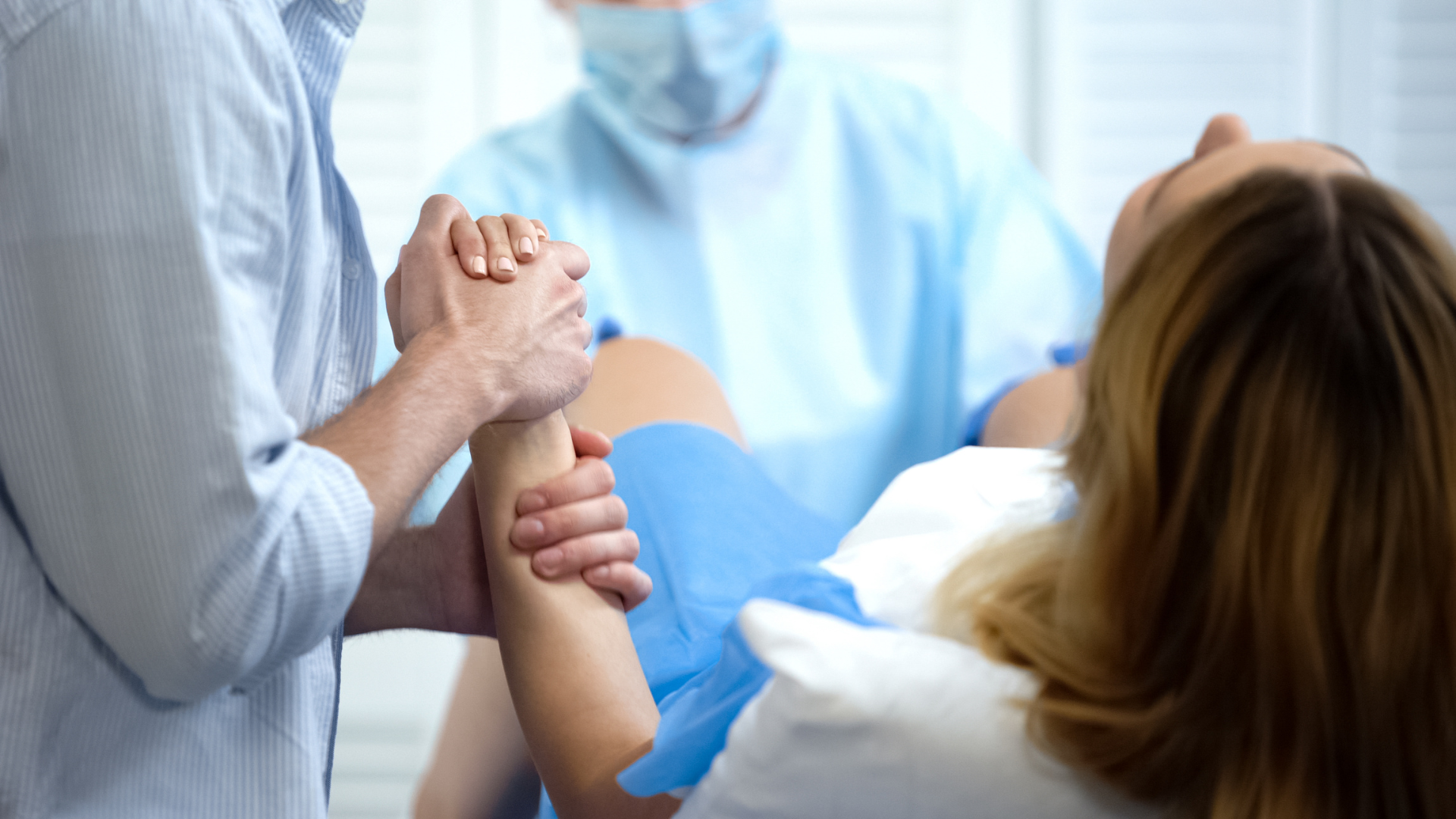
Tearing during delivery is a common experience that mothers go through. Let's learn about the two types of tears and the ways mothers can heal from it.
You may be wondering what is the difference between episiotomy and perineal tear. Episiotomy is a cut made by the doctor or midwife to the skin, tissues, and muscle in the perineum between the vagina and anus during childbirth. It is done to further widen the birth canal to minimize risk of vaginal laceration to the anus. Episiotomy is usually performed to women who have instrumental deliveries, larger babies, and commonly performed to Asian expectant women. Smaller stature, shorter perineum, and reduced skin elasticity were among reasons why routine episiotomy is carried out to this particular population.
On the other hand, perineal tear is a spontaneous damage to perineum during childbirth. About eighty-percent of women suffer from vaginal tearing after childbirth with higher occurrences among primiparous women. Other known factors for perineal tears include vacuum delivery, baby weight exceeding 4000g, and baby head circumference of more than 35cm. Perineal tears are classified according to the tissues involved.
Types of Perineal tears
- 1st degree tear – minor lacerations involving vaginal mucosa and the skin of the perineum
- 2nd degree tear – lacerations involving the skin and the muscles of the perineum
- 3rd degree tear – deeper lacerations involving the skin, perineal muscles, and the anal sphincter muscles.
- 4th degree tear – the most severe type of perineal tear. The lacerations extend to the anal sphincter and anal mucosal membranes.
Oftentimes, women receive stitches for their vaginal tears. However, a more complex repair under anaesthesia is needed for those who sustained third and fourth-degree perineal tears (also known as obstetric-anal sphincter injuries). Both episiotomy and perineal tearing causes trauma to the perineum and pelvic floor muscles.
What are the associated problems of perineal tears?
- vaginal pain
- urinary incontinence
- fecal incontinence
- dyspareunia
How can you reduce your risk of perineal tear?
While it is difficult to predict if you will have vaginal tearing during your delivery, it would be wise to discuss with your doctor if you have any concern about tearing. Episiotomy procedure, Epi-no device usage, and perineal massage may help you to minimize the risk of perineal tears.
What should I do to regain my pelvic floor health?
Any injury to perineum may result in pelvic floor muscle dysfunction. Seeing a women’s health physiotherapist is very crucial in helping you to regain your pelvic floor health back. Proper pelvic floor assessment is important before starting any form of pelvic floor exercise as some women may need to focus on pelvic floor down training (relaxation) instead of pelvic floor strengthening especially if there is vaginal pain.
At Women & Children Centre, our women’s health physiotherapists are to provide proper pelvic floor assessment and professional advice on which form of pelvic floor exercises are recommended for you. Contact us to schedule an appointment today!
Ready to feel better?
Book a consultation with our physiotherapy team for an assessment tailored to you.