

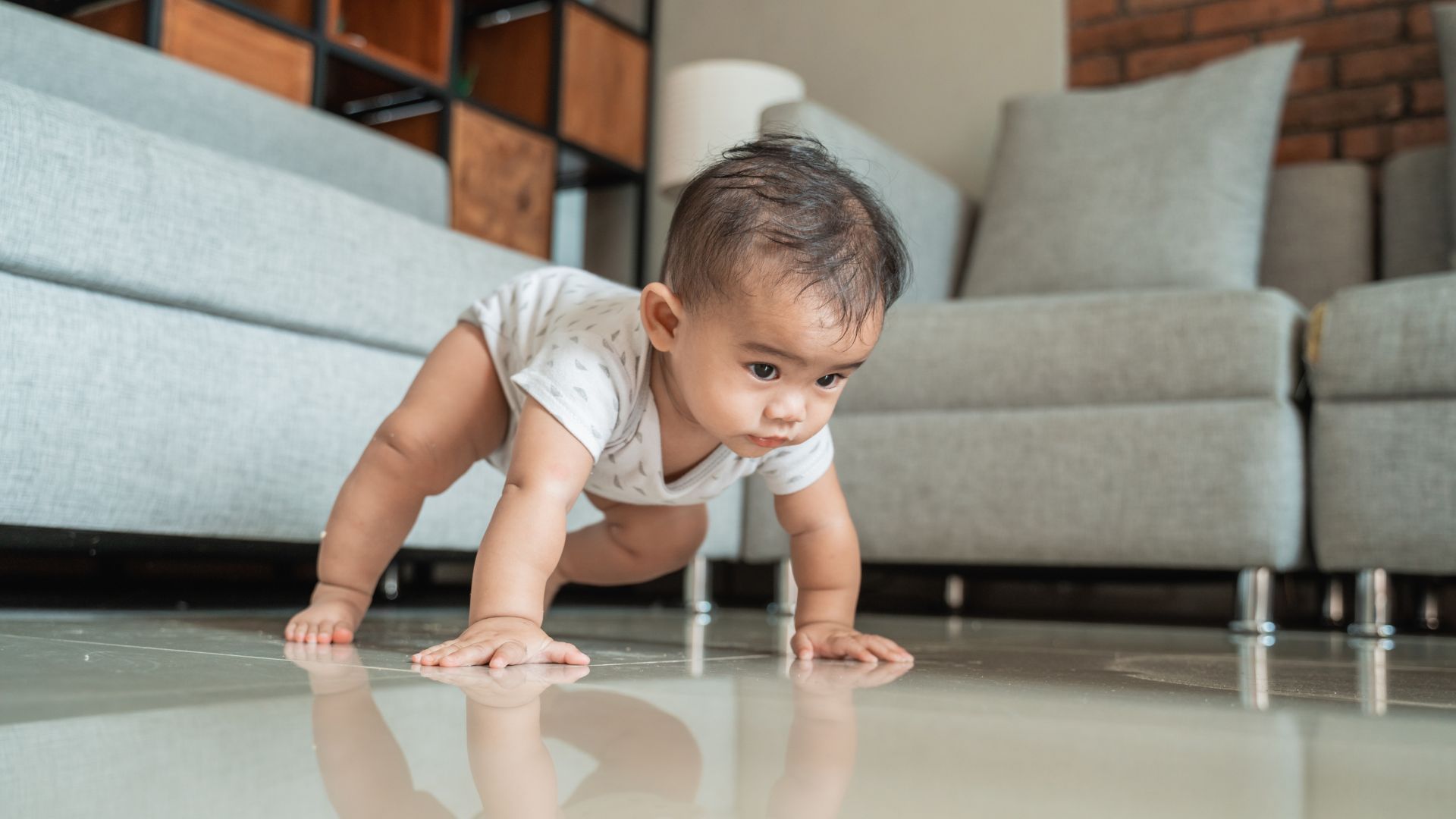
Unsure if your child is developing normally? Learn key milestones and when paediatric physiotherapy can help in Singapore.
As a paediatric physiotherapist, two questions I hear from parents almost every week are:
“My baby isn’t crawling yet, is that normal?”
“Should I be worried if my toddler still walks on tiptoe?”
It’s completely natural to worry when your child seems “later” than expected, especially with social media videos, milestone charts, and comparison posts everywhere. But children grow at different speeds, and most variations fall within the spectrum of healthy development.
Still, knowing what’s typical and when to seek help can make a big difference in your child’s coordination, confidence, and long-term physical development.
This guide breaks down normal milestones, why crawling matters, when to worry about tiptoe walking, and how paediatric physiotherapy supports healthy movement in the early years.
Why Milestones Matter (But Shouldn’t Scare You)
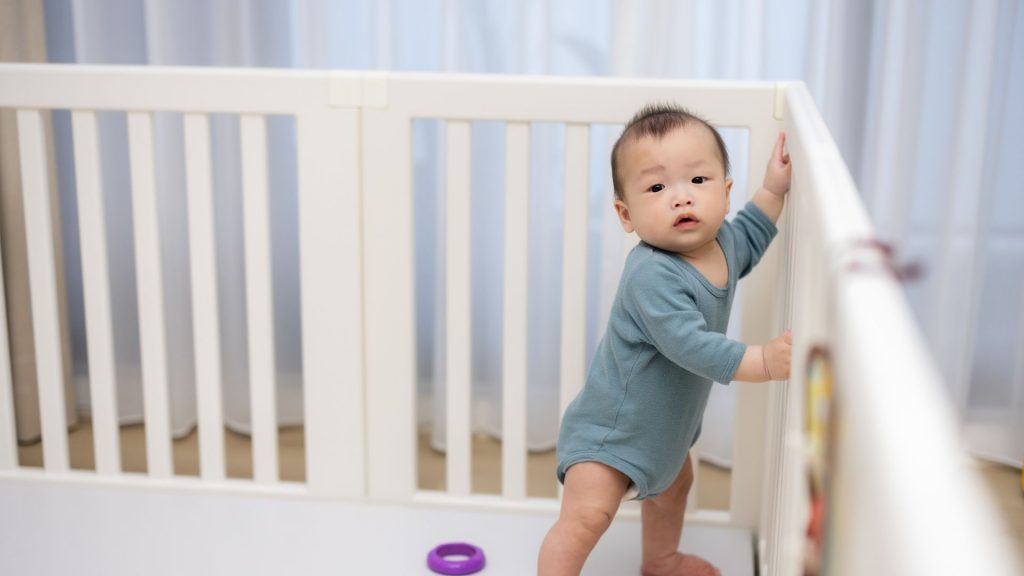
Milestones serve as guidelines, not strict deadlines. Rolling, sitting, crawling, standing, and walking aren’t just cute achievements; they are building blocks for balance, strength, coordination, posture, and future motor skills.
What matters most is steady, ongoing progress:
- stronger muscles
- smoother coordination
- better balance
- growing curiosity and willingness to explore movement
If something doesn’t feel “quite right,” that’s exactly when a paediatric physiotherapist can guide you. We help you understand what’s typical, what needs monitoring, and when early support can help your child catch up smoothly.
When Delays Can Have an Impact
A delay doesn’t always mean there is a major issue, but if key movement patterns are skipped or not practised enough, it may lead to:
- Muscle weakness or tightness
- Poor coordination or frequent tripping
- Difficulty keeping up in playground or sports activities
- Postural issues during school years (e.g., slouched sitting, W-sitting, pigeon-toeing)
Singapore’s paediatric guidelines and SingHealth studies highlight that intervention in the first three years has the strongest positive impact on long-term motor outcomes.
The Solution: Understanding Milestones and What’s Normal
Below is a simplified guide adapted from Singapore HealthHub and SingHealth resources, tailored for parents who want clarity and reassurance.
Age Range
Key Milestones
When to Seek Advice / Common Questions
Newborn to 6 Months
- Lifts head during tummy time
- Begins to roll from tummy to back
- Reaches for toys
- Kicks actively and brings hands to mouth
When to Seek AdviceDislikes tummy time entirelyFeels unusually floppy or very stiffLimited eye contact or weakened head control Check with your paediatrician.
6 to 12 Months
- Sits without support (around 6–8 months)
- Ideally, crawls on hands and knees
- Pulls to stand and cruises along furniture
- Picks up small objects with fingers
Common Question: Is it normal for babies to skip crawling?
Skipping crawling has been ‘normalised’ as some babies go straight to standing or cruising. However, typically skipping crawling may indicate tightness and/or weakness in the arms, trunk, or hips.
Speak to a paediatrician physiotherapist if you have any concerns.
12 to 18 Months
- Walks independently (by about 15 months)
- Squats and stands back up
- Climbs onto low furniture
- Enjoys pushing toys
When to Seek AdviceIf your child isn’t walking by 16 months, consult a paediatrician or pediatric physiotherapist. It could be normal, but many times there may be weakness or tightness that could be addressed with physiotherapy.
18 to 24 Months
- Runs with better balance
- Climbs stairs with support
- Begins jumping- kicks a ball
Common Question: Is tiptoe walking normal?
Occasional tiptoe walking is common while exploring balance. But if it continues beyond age 2, it may suggest tight calf muscles, sensory preferences, or motor coordination issues, areas where physiotherapy can help.
2 to 4 Years
- Runs smoothly and changes direction
- Climbs confidently
- Catches or throws a large ball
- Begins balancing on one foot
When to Seek AdviceIf your child appears clumsy, trips often, or avoids physical play, it may indicate delayed coordination or muscle weakness. Early assessment can make playtime safer and more enjoyable.
The Importance of Crawling
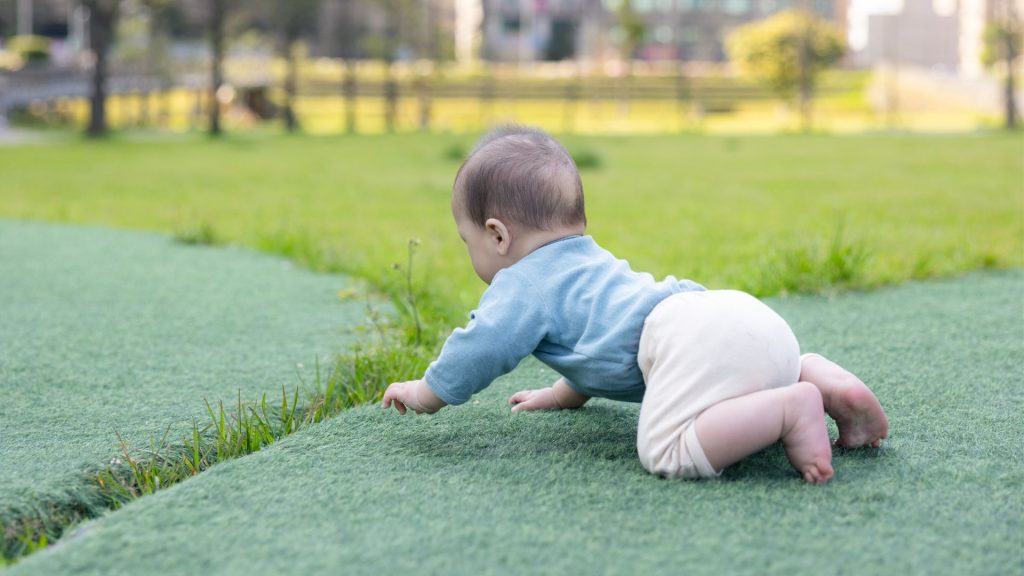
Crawling is one of the most underrated developmental milestones. While not every child who skips crawling will struggle, crawling plays a major role in building foundations for later strength, posture, balance, and even learning skills.
Why Crawling Matters:
1. Upper body and core strength
Crawling builds the shoulders, trunk, wrists, and hands, areas essential for posture, fine motor skills, climbing, handwriting, and safe play.
2. Cross-body coordination (bilateral integration)
Moving opposite hands and knees trains the right and left sides of the brain to communicate. This lays the groundwork for skills like reading, writing, and coordinated sports.
3. Visual development
Crawling helps babies practise eye tracking, depth perception, and hand-eye coordination, crucial for reading and ball games later.
4. Balance and body awareness
Learning how to shift weight helps children understand where their body is in space, improving stability for standing and walking.
5. Grip strength and hand arches
Pressing through the palms strengthens the intrinsic muscles of the hands, the same muscles needed for pencil control.
When to Be Concerned About Crawling
A paediatric physiotherapy assessment is helpful if your baby:
- Only belly-crawls for more than 4+ weeks with no progression
- Prefers using one side of the body
- Avoids bearing weight through hands/knees
- Seems “floppy” or has difficulty with sitting balance
- Shows delays combined with fussiness during tummy time
- Shows overall slower motor progress
Early support can make crawling easier, fun, and developmentally meaningful.
When Should I Worry About Tiptoe Walking
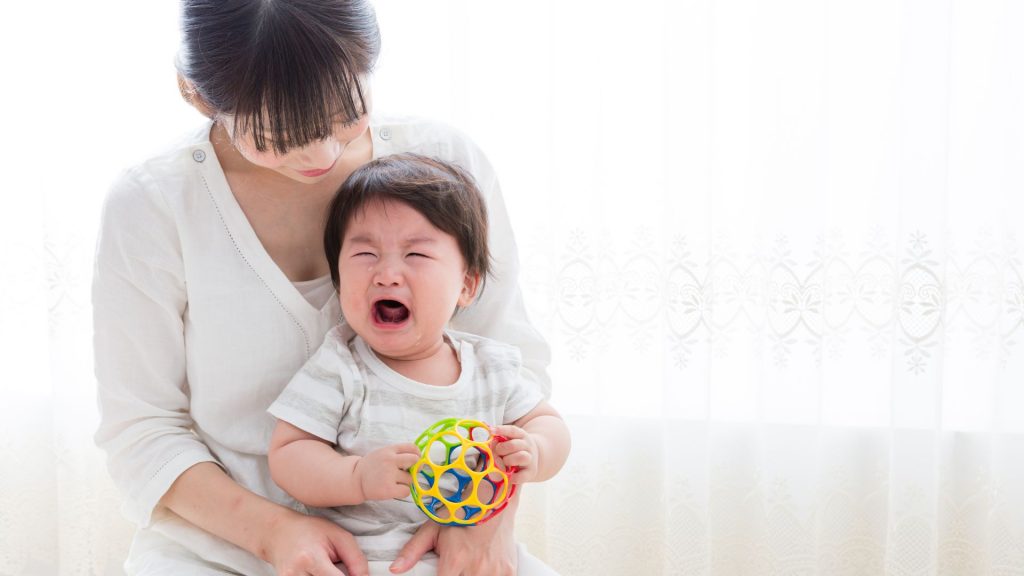
It’s common for toddlers to experiment with tiptoe walking while exploring balance. Most children drop the habit naturally.
But persistent tiptoe walking can signal tightness, sensory preferences, or motor control issues.
Seek a paediatric physiotherapy assessment if your child:
- Tiptoe walks past 2-year-old
- Walks on tiptoes more than 80% of the time
- Cannot stand or walk with heels down
- Has limited ankle motion
- Shows the pattern for more than 4 weeks without improvement
A physiotherapist will check calf flexibility, core strength, balance, sensory responses, gait pattern, and overall motor development, and guide you with exercises, stretches, and strategies to improve heel contact.
Why Asymmetry Matters: When One Side Works Harder Than the Other
Some asymmetry is normal; babies often prefer turning their head one way or kicking more with one leg. But when the preference becomes strong or persistent, it can affect how they develop movement skills.
Signs of asymmetry to watch for:
- Always rolling to the same side
- Sitting with weight shifted to one hip
- Reaching with only one hand
- Crawling with one leg tucked or dragging one side
- Early, strong hand preference before age 2
- Head always tilted or rotated to one side (suggesting torticollis)
Why it matters:
Persistent asymmetry can lead to:
- Delayed crawling
- Uneven crawling patterns
- Poor balance
- Difficulty keeping up in playground activities
- Postural issues and muscle imbalances later
A paediatric physiotherapist can help correct these patterns early through playful activities that strengthen the weaker side and encourage balanced movement.
What Causes a Child to Walk Late?
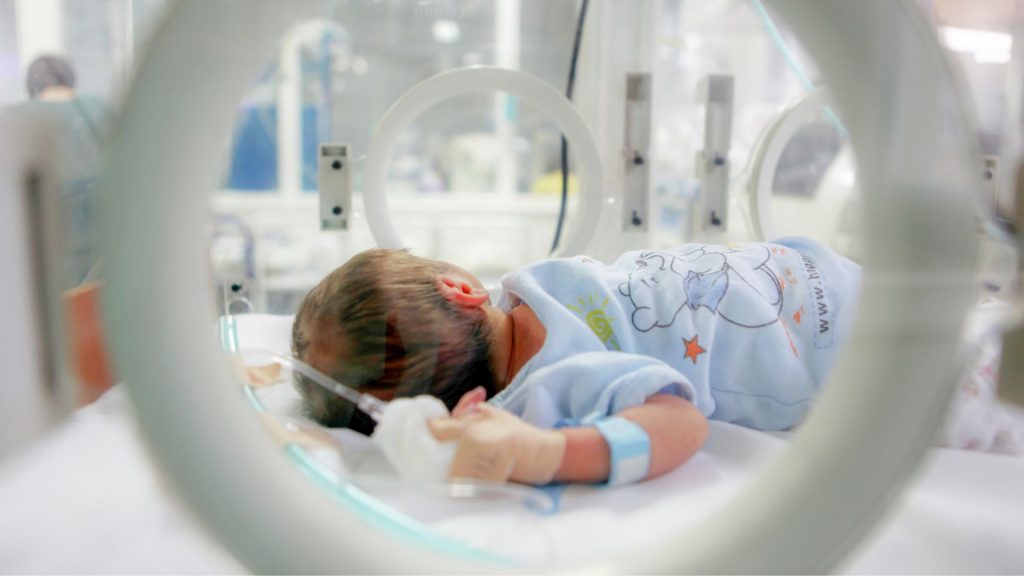
Common causes include:
- Premature birth
- Low muscle tone or hypermobility
- Tight muscles or joint stiffness
- Lack of floor play or tummy time
- Developmental or neurological differences
A physiotherapist can assess your child’s strength, tone, and coordination, and design targeted exercises or play routines to help them catch up.
How Paediatric Physiotherapy Can Help
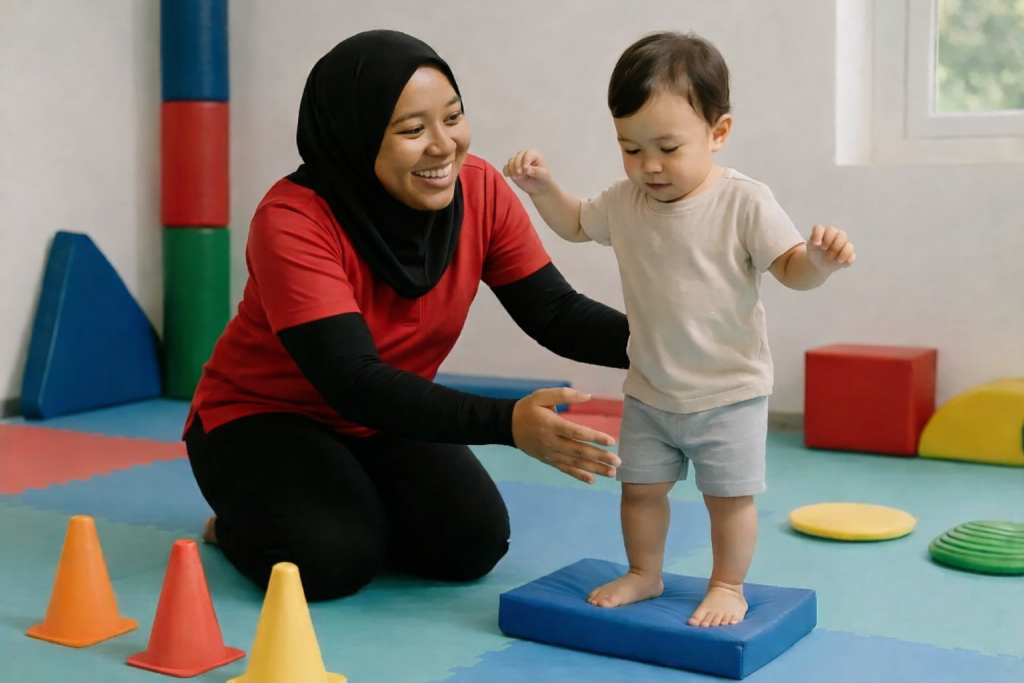
Physiotherapy isn’t just for adults recovering from injuries; it plays a crucial role in helping children learn how to move with confidence.
At the Women and Children Centre, our paediatric physiotherapy sessions are play-based, family-friendly, and designed to feel fun rather than clinical. Every activity is crafted to help your child build strength, coordination, and motor skills in a way that feels natural and enjoyable.
What We Focus On:
- Motor skill development: Rolling, crawling, sitting, standing, and walking
- Balance & posture: Building core strength and overall stability
- Muscle flexibility & strength: Addressing tightness, weakness, or uneven movement
- Parent guidance: Practical, safe exercises you can continue at home
During an Assessment, We Look At:
- Muscle strength and flexibility
- Balance and coordination
- Motor control and movement patterns
- Sensory responses
- Posture and alignment
- Milestone progression
Our Therapy Approach:
Every session is play-based, personalised, and goal-driven, which may include:
- Strengthening through age-appropriate play
- Crawling and movement progression
- Balance and coordination training
- Stretching and mobility exercises
- Gait retraining
- Parent education for home support
How Parents Can Encourage Movement at Home
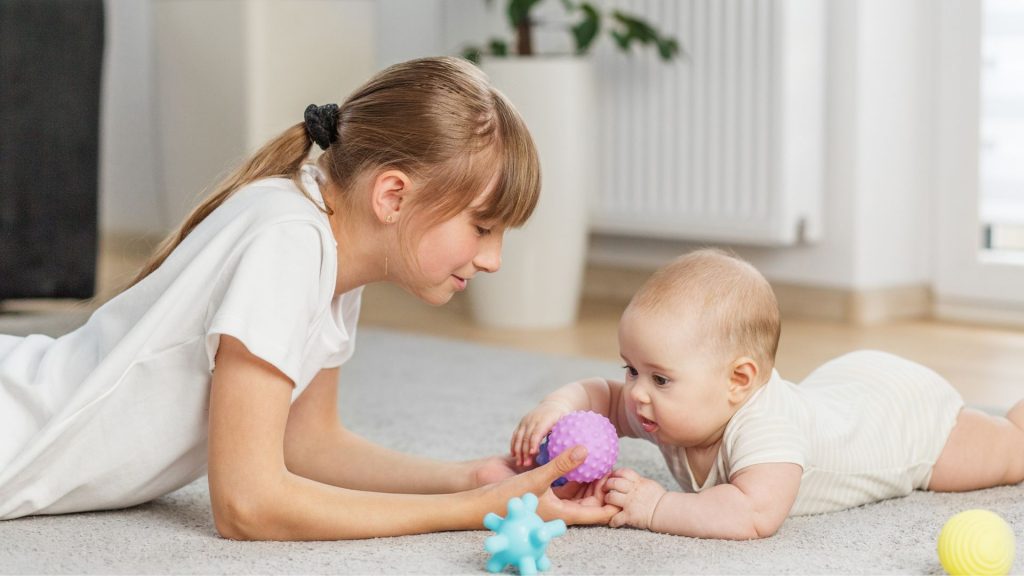
Simple daily activities make a big difference:
- Give your baby tummy time every day.
- Let your child play barefoot to strengthen foot muscles.
- Encourage floor play such as crawling, reaching, and rolling.
- Offer sturdy furniture to pull up on.
- Avoid prolonged use of walkers or bouncers.
- Celebrate each small milestone without comparison.
The Power of Play: How Movement Shapes Development
Play is not “just play.” It is the primary way babies and toddlers learn to move, make sense of their bodies, and build coordination.
Movement-rich play improves:
- Muscle strength
- Core stability
- Balance
- Hand–eye coordination
- Spatial awareness
- Confidence with climbing, running, and sports later on
Types of play that build motor skills
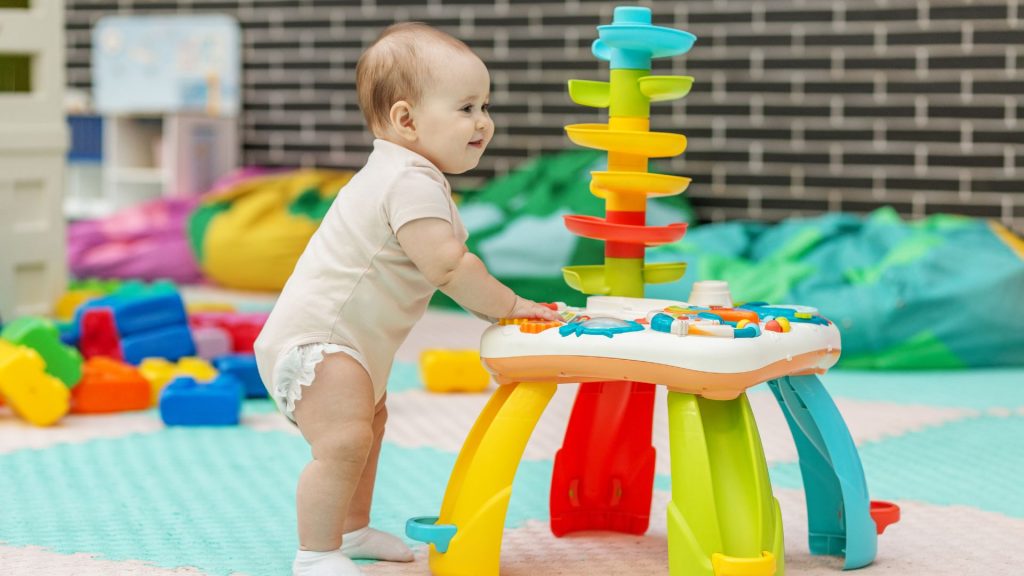
- Floor play: rolling, crawling, reaching
- Sensory play: exploring textures, movement, pressure
- Climbing play: pillows, foam steps, playground structures
- Object play: balls, blocks, puzzles
- Pretend play: pushing carts, pulling toys, and walking games
When movement is built into daily play routines, children develop stronger, more coordinated bodies, naturally and joyfully.
How Sensory Processing Affects Movement
Some children move differently, not because of weakness, but because of how their nervous system processes sensory information.
Common sensory patterns that affect movement:
Sensory Seeking
- Loves jumping, crashing, and climbing
- Wriggles constantly
- Needs strong input to feel grounded
Sensory Avoidant
- Dislikes certain textures
- Avoids grass, sand, or messy play
- Walks on tiptoes for sensory input
Poor Body Awareness (Proprioception)
- Appears clumsy
- Trips often
- Difficulty judging force or distance
A paediatric physiotherapist can assess sensory-movement links and use play-based strategies to improve balance, coordination, and confidence.
Too Much Equipment Time: Understanding “Container Baby Syndrome”
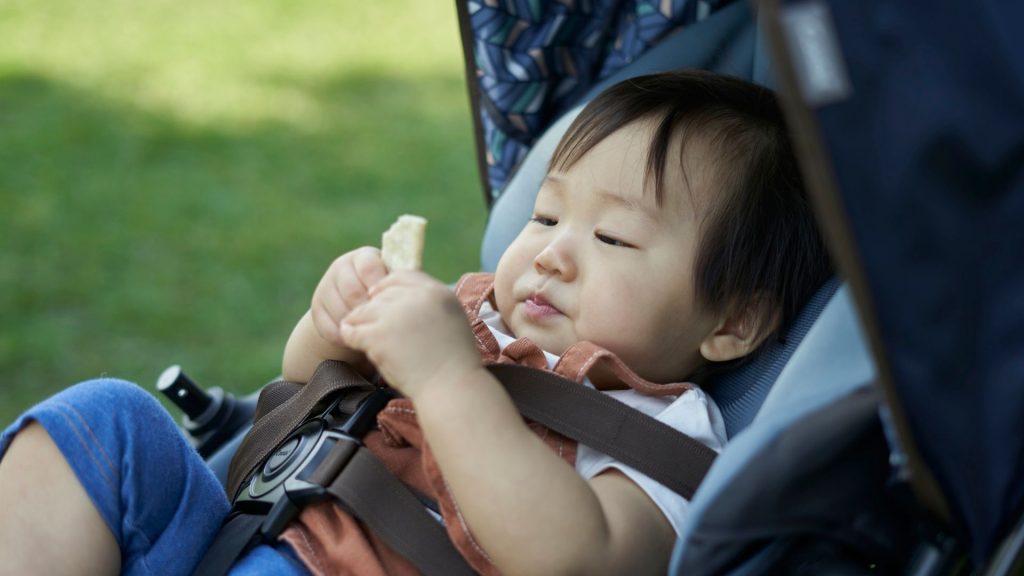
Modern parenting often relies on equipment: strollers, bouncers, jumpers, swings, car seats, walkers, and more. While these are convenient, excessive time in them can limit movement opportunities.
This pattern is called “container baby syndrome”, where babies spend more time contained than moving freely.
Signs this may be affecting your child:
- Flat spots on the head
- Delayed rolling, crawling, or sitting
- Weak core or arm strength
- Stiffness in legs
- Late walking
- Poor tolerance for tummy time
Tips to reduce equipment time:
- Aim for more floor play daily
- Alternate between tummy time, side lying, and supported sitting
- Use equipment for short intervals (e.g., <20–30 mins)
Encourage active play before or after stroller time
Small changes significantly improve early motor development.
Foot Development in Toddlers: Flat Feet, Bow Legs & Knock Knees
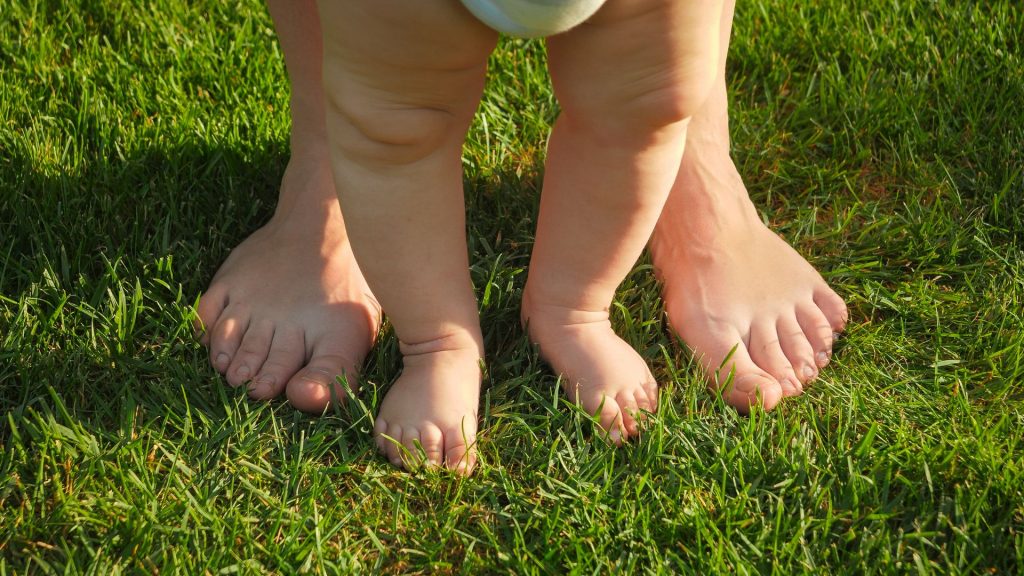
Lower limb development in toddlers often surprises parents, especially when legs look curved or feet look flat.
Here’s what’s normal:
Flat Feet (Pes Planus)
- Completely normal until 5–6 years old
- Toddlers have baby fat under the arch
- Arch appears as they grow stronger and more active
Seek advice if:
- Persistent foot pain
- Ankles collapse inward excessively
- Frequent tripping or difficulty running
- Feet look very different from peers
Normal Lower Limb Development in Young Children (What’s Normal & When to Seek Help)
Condition
Typical Age Range
What’s Normal
When to Seek Advice
Bow Legs (Genu Varum)
0–18 months
Common in infants due to fetal position. Legs usually straighten naturally by age 2.
- Bowing is severe or increasing- Pain when walking- One leg more curved than the other- Bow legs persist beyond age 2
Knock Knees (Genu Valgum)
3–4 years
Alignment often appears “knock-kneed” at this age. Usually improves by 6–7 years.
- Pain or frequent tripping- Very pronounced knee angle- Only one knee angles inward- Difficulty keeping up with peers
Flat Feet (Flexible Flat Feet)
0–6 years
Very common. Arches are not fully formed and often hidden by baby fat. Most develop arches by age 5–6.
- Foot pain or fatigue- Ankles collapse inward excessively- Frequent tripping or clumsiness- Feet look very different from peers- No arch even when on tiptoes
Tiptoe Walking
18 months–2 years: occasional is normal
Many toddlers tiptoe briefly while exploring balance. Most outgrow it by age 2.
- Tiptoe walking persists past 2 years- Tiptoeing >80% of the time- Cannot stand or walk with heels down- Limited ankle mobility- Pattern continues for >4 weeks with no improvement
How Early Movement Supports School Readiness
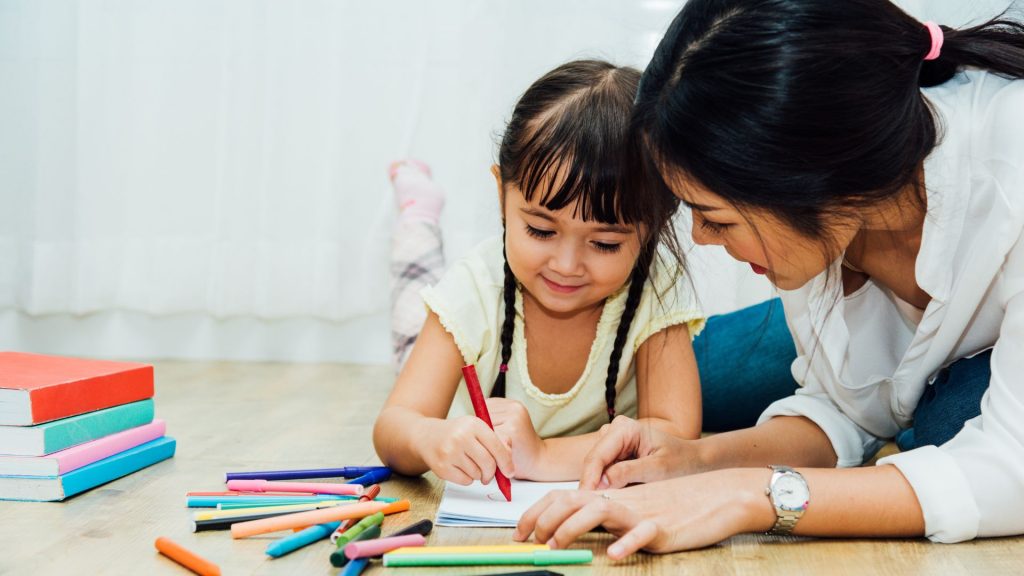
Gross motor development influences more than physical play; it also affects learning.
Strong movement helps with:
- Sitting upright in class
- Focusing on longer periods
- Writing endurance and pencil control
- Confidence in PE and playground games
- Classroom transitions (standing, carrying, balancing)
Crawling, in particular, contributes to:
- Wrist strength
- Hand arches
- Eye tracking
- Core stability
Who Should You See? Paediatrician vs Physiotherapist vs Podiatrist
Parents often don’t know the right first step. A simple breakdown helps:
Paediatrician
See a paediatrician if:
- You suspect medical, neurological, or developmental conditions
- Growth concerns (weight, height, head circumference)
- Persistent feeding or sleeping issues
Paediatric Physiotherapist
See a physiotherapist if:
- Motor milestones are delayed
- Crawling, walking, balance, or coordination concerns
- Persistent tiptoe walking
- Asymmetry or stiffness
- Frequent falls or clumsiness
- Baby avoids tummy time
Podiatrist
See a podiatrist if:
- Foot shape concerns (flat feet, curved feet, in-toeing)
- Foot pain
- Odd wear on shoes
- Walking pattern issues
- Toe-walking related to foot mechanics
When to See a Paediatric Physiotherapist
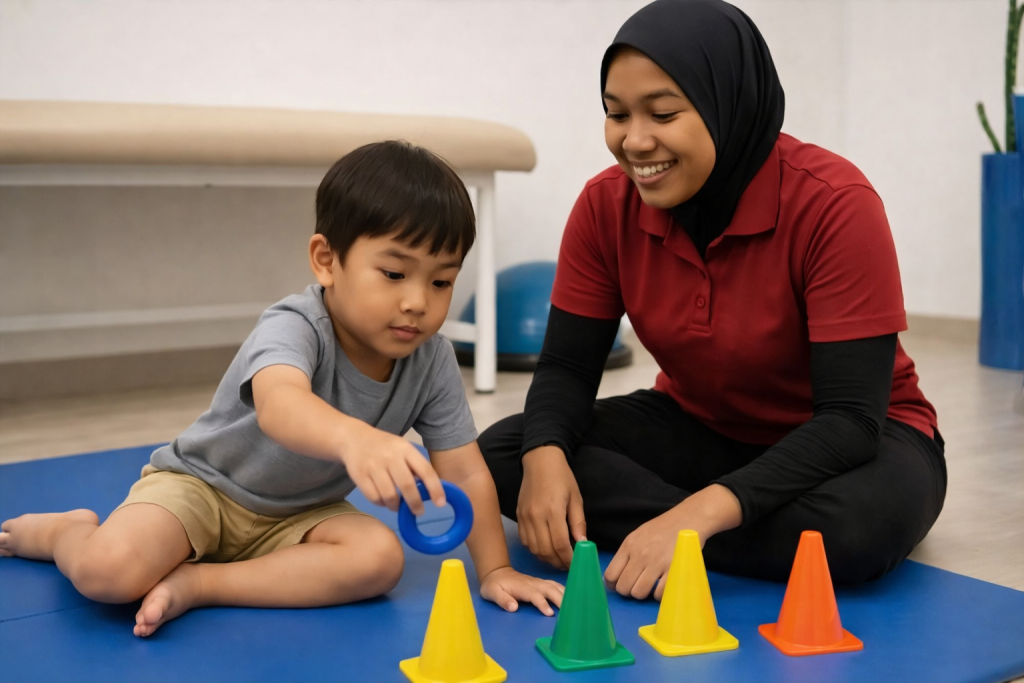
If you’re ever unsure, trust your instincts. Parents often notice movement issues before anyone else.
A paediatric physiotherapist can:
- Identify motor delays early
- Address muscle tightness or weakness
- Improve balance and coordination
- Support gross motor development
- Keep activities fun and confidence-building
- Work alongside your child’s paediatrician or podiatrist
Early support can prevent future issues like poor posture, walking difficulties, or delayed sports skills.
The Takeaway: Every Child Develops at Their Own Pace
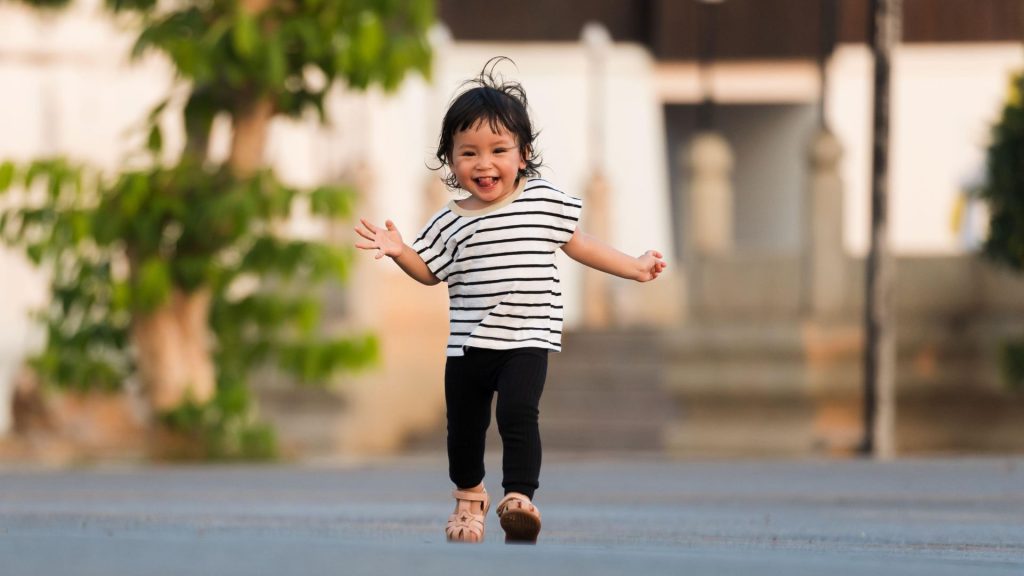
It’s natural to compare, but every child’s journey is different. Some walk early, others take their time, and that’s okay. What matters most is that they’re exploring, engaging, and progressing.
As physiotherapists, our goal is to help children move with confidence, coordination, and joy, no matter their starting point.
Concerned About Your Child’s Milestones?
If your little one isn’t sitting, crawling, or walking as expected, or if you’re simply unsure what’s normal, we’re here to help.
Book an appointment today and take the first step toward your child’s movement confidence.
Ready to feel better?
Book a consultation with our physiotherapy team for an assessment tailored to you.