

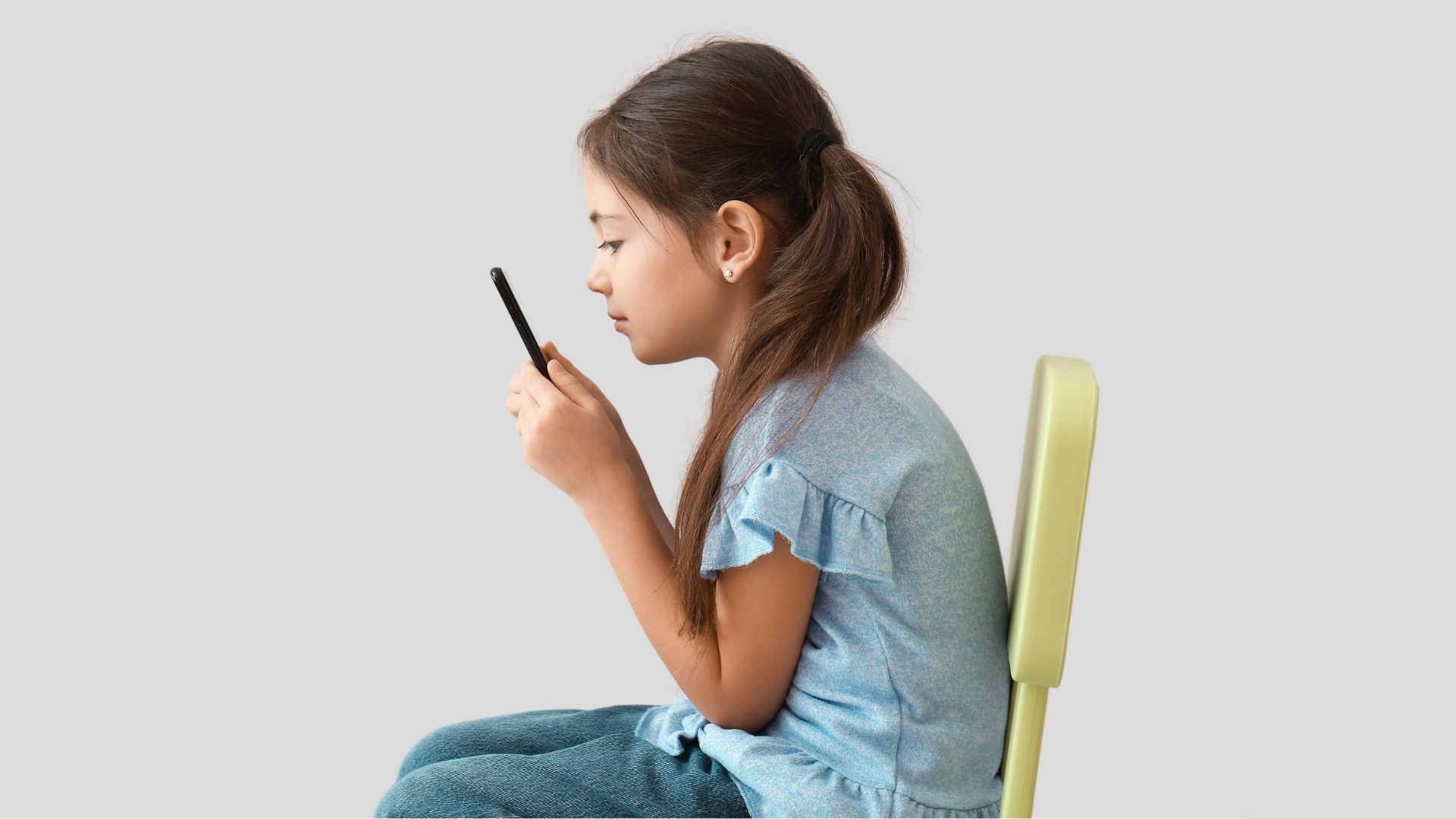
Too much screen time can harm your child’s posture. Learn how to spot the signs early and what you can do at home, plus when to see a physiotherapist.
In today’s post-COVID world, screens are everywhere. Online classes, mobile games, YouTube marathons — they’ve become part of everyday life for children in Singapore. But behind the convenience of digital learning and entertainment lies a hidden cost: poor posture.
As parents, many of us are noticing our children slouching more, complaining about neck aches, or walking with rounded shoulders. Is it just a phase? Or is it something we should worry about?
This blog is here to help you spot the signs early, take actionable steps at home, and understand when to seek support from professionals like physiotherapists or podiatrists. Let’s break it down.
The Problem: Screens Are Reshaping Young Spines
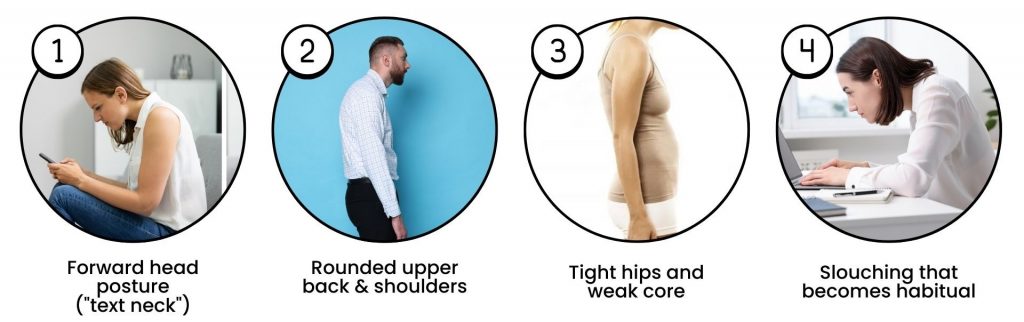
Since the rise of remote learning and digital play, many children spend more than 4–6 hours a day seated and staring down at screens. This repetitive positioning leads to:
- Forward head posture ("text neck")
- Rounded upper back and shoulders
- Tight hips and weak core
- Slouching that becomes habitual
These aren’t just visual changes — they can impact energy, breathing, sleep, and long-term movement development.
Why It Matters: The Posture Snowball Effect

Let’s take 10-year-old Aaron as an example:
"He was hunched over his tablet so often we barely noticed. But soon he started saying his neck hurt and he didn’t want to sit through classes. His teacher noticed his writing posture had changed too."
After an assessment, Aaron was found to have forward head posture and underactive postural muscles. With a few simple interventions and support, his posture and comfort improved — and so did his focus in class.
The earlier we act, the better the outcomes.
What You Can Do at Home: Simple Fixes for Real Impact
✅ Create an Ergonomic Study Setup
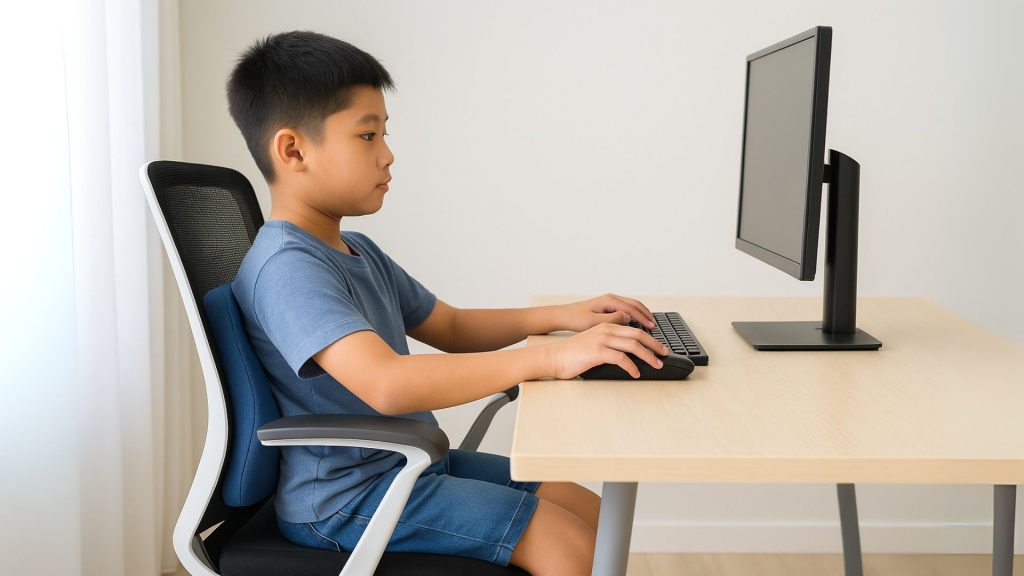
- Use adjustable chairs so feet touch the floor and knees are at 90°
- Raise screens to eye level
- Add a small lumbar cushion for back support
✅ Introduce the 20-20-20 Rule
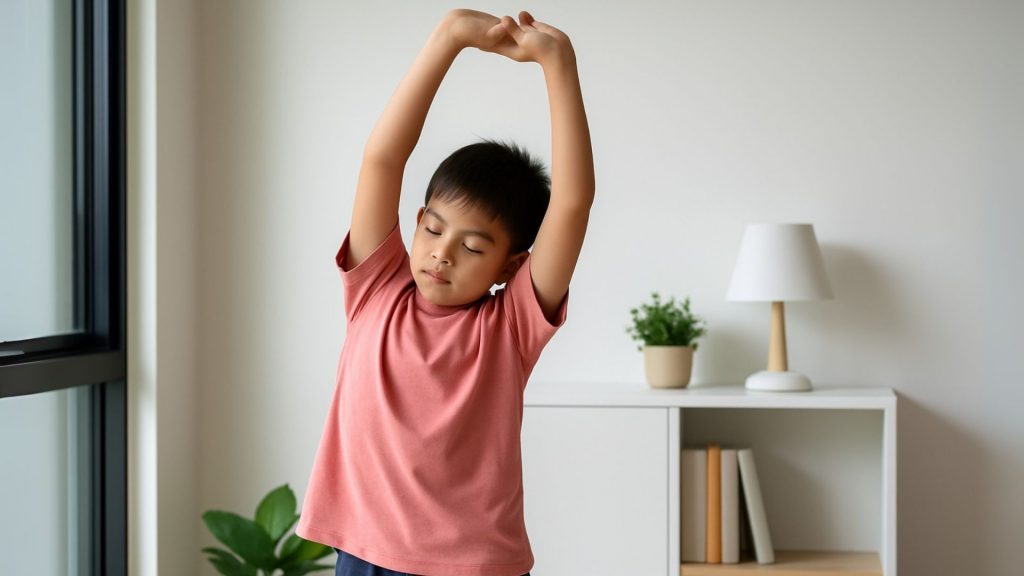
Every 20 minutes of screen use, get your child to look at something 20 feet away for 20 seconds. Pair this with a quick stretch or stand-up movement.
✅ Try These Daily Posture Exercises (Download Available)
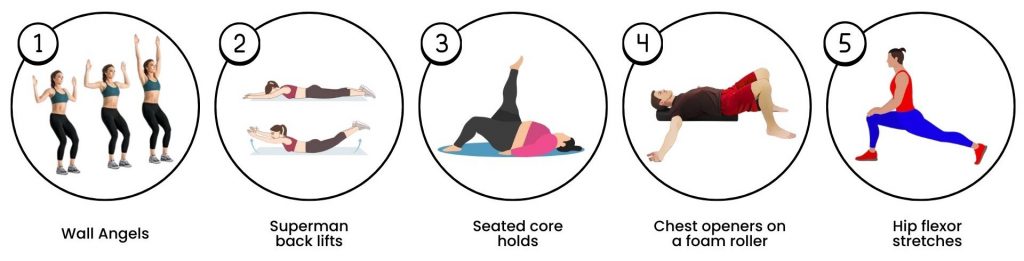
- Wall Angels
- Superman back lifts
- Seated core holds
- Chest openers on a foam roller
- Hip flexor stretches
Are Posture Correctors Good for Kids?
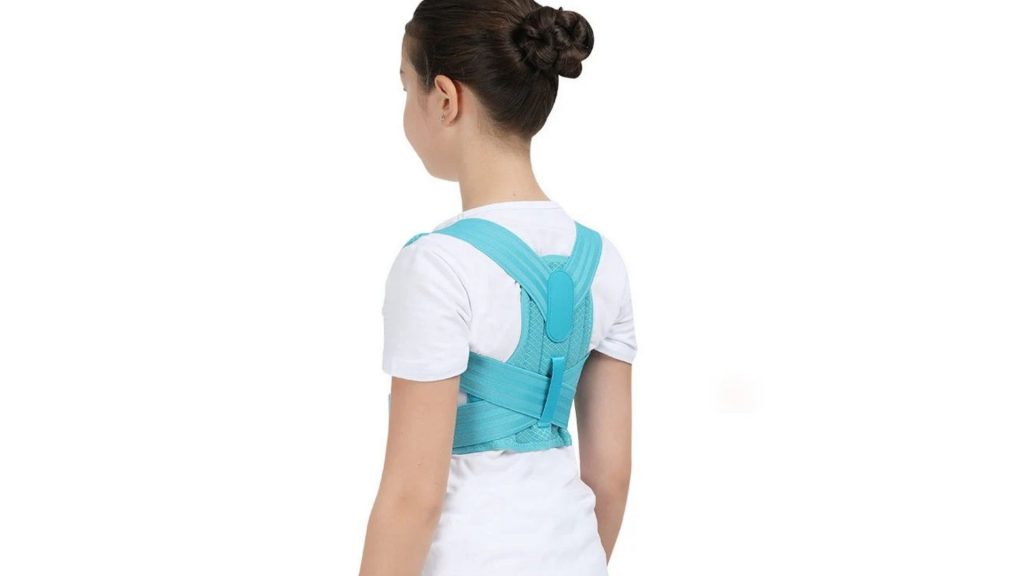
Posture correctors can be tempting, but they’re best used only as temporary reminders. The long-term solution is training the muscles to support good posture naturally — through movement and targeted exercises.
Can Posture Be Corrected at Any Age?
Yes! Children and teens have high neuroplasticity, meaning their bodies are highly responsive to correction. Whether your child is 6 or 16, postural habits can be retrained effectively.
How to Improve Kids’ Sitting Posture
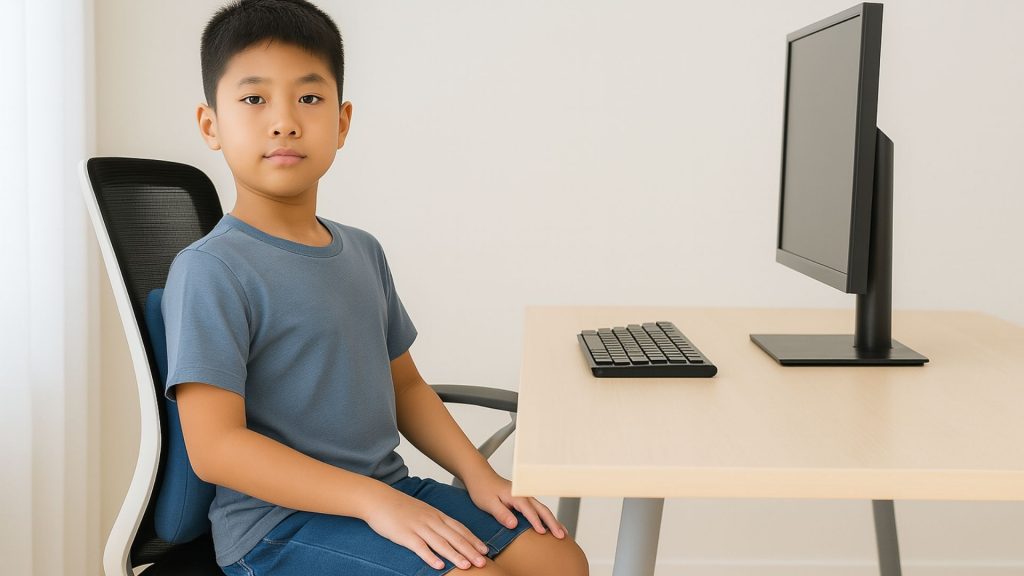
Encourage a “chest up, shoulders back” position while sitting. Add lumbar support, ensure proper seat height, and encourage your child to change position every 30 minutes.
Common Signs of Poor Posture in Children
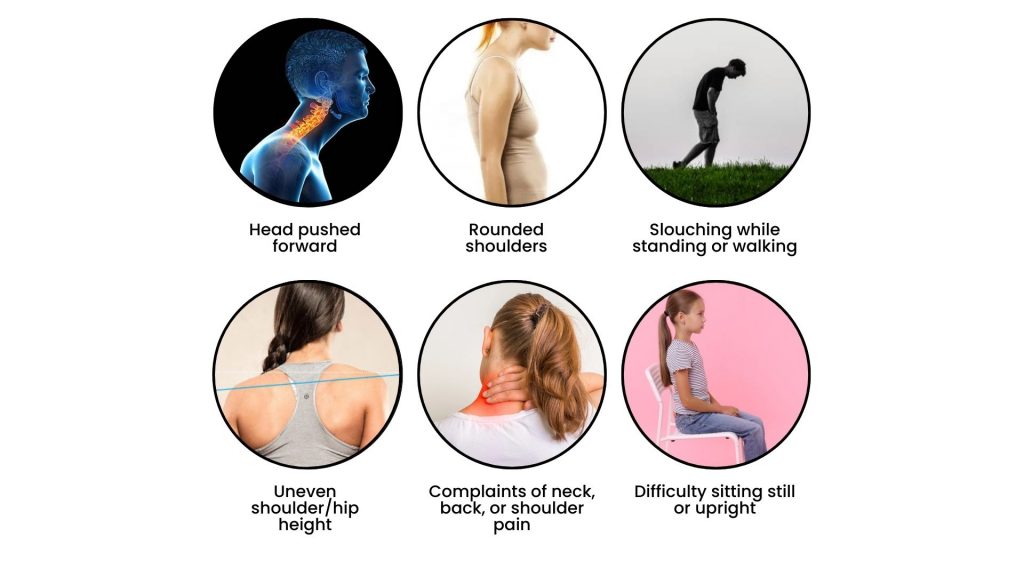
- Head pushed forward
- Rounded shoulders
- Slouching while standing or walking
- Uneven shoulder/hip height
- Complaints of neck, back, or shoulder pain
- Difficulty sitting still or upright
When Should You Worry About Your Child’s Posture?
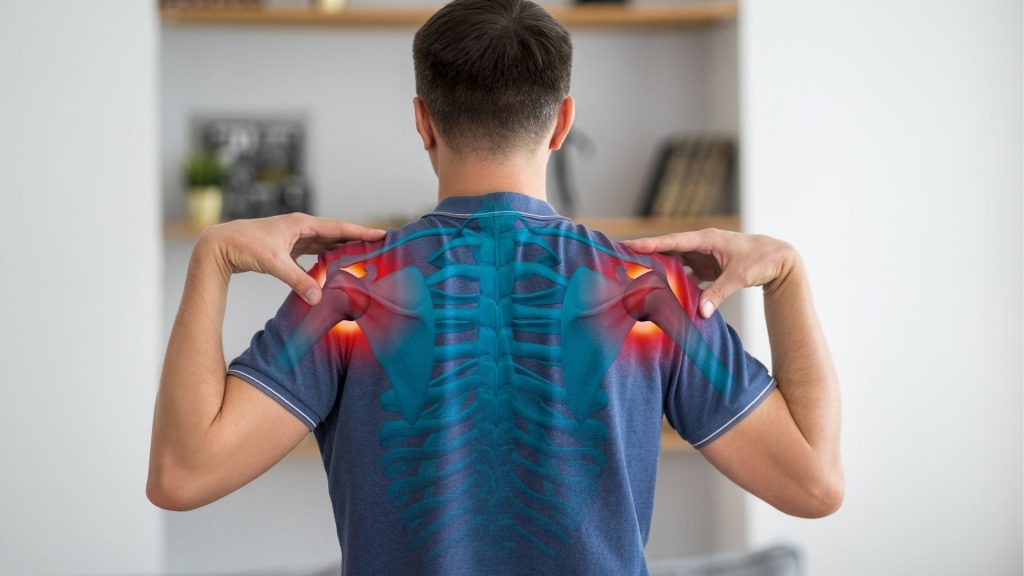
It’s time to act if you notice:
- Persistent pain
- Posture doesn’t improve with reminders
- One shoulder or hip looks higher than the other
- Your child avoids physical activities due to discomfort
How Does Screen Time Affect Your Child’s Posture?

Excess screen time promotes poor spinal alignment and weakens the muscles that keep us upright. The longer your child sits hunched, the more their body adapts to that as “normal.”
Can Bad Posture in Childhood Be Corrected?
Absolutely. The sooner it’s addressed, the better. Most posture issues in children can be resolved through a combination of strengthening exercises, ergonomic changes, and expert support.
Should Children See a Physiotherapist?
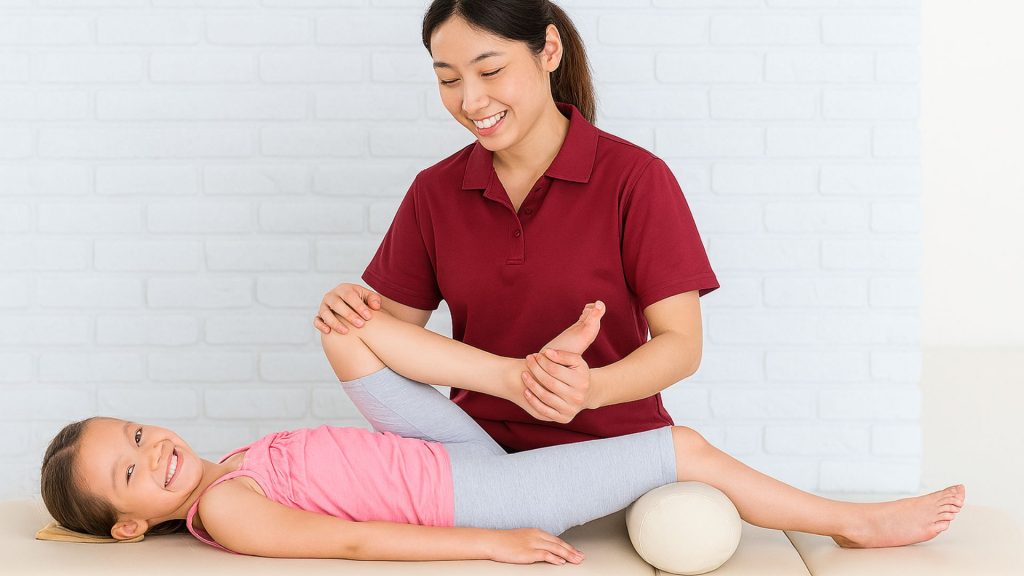
If your child’s posture doesn’t improve with home exercises or if they’re experiencing pain, it’s wise to get a professional assessment. At Physio & Sole Clinic, we offer child-friendly posture screenings tailored to identify and treat early signs of musculoskeletal imbalance.
How Much Screen Time Is Too Much?
According to Singapore’s Ministry of Education, children should limit leisure screen time to no more than 2 hours a day. More importantly, frequent breaks and varied activities are key to balancing digital habits.

Parenting in the digital age is full of new challenges — but posture doesn’t have to be one of them. With a mix of observation, good habits, and timely support, you can set your child up for a healthier, stronger future — spine included.
👟 Want to get your child assessed by a physio or podiatrist? Book a posture screening with Women & Children Centre today.
Ready to feel better?
Book a consultation with our physiotherapy team for an assessment tailored to you.