
Women's Health Physiotherapy Services
Women's Health physiotherapy conditions and treatments offered at Women & Children Centre in Singapore.

Electrical Stimulation for Incontinence
Urinary incontinence can affect men and women throughout all stages of their lives but particularly women after pregnancy, childbirth and during the menopause and is defined as: the involuntary loss of urine that is a social or hygienic problem.

Musculoskeletal Pain
Musculoskeletal Physiotherapy is a specialized area of physiotherapy treating injuries and conditions which affect the muscles, joints, and soft tissues.
Urine Incontinence Treatment
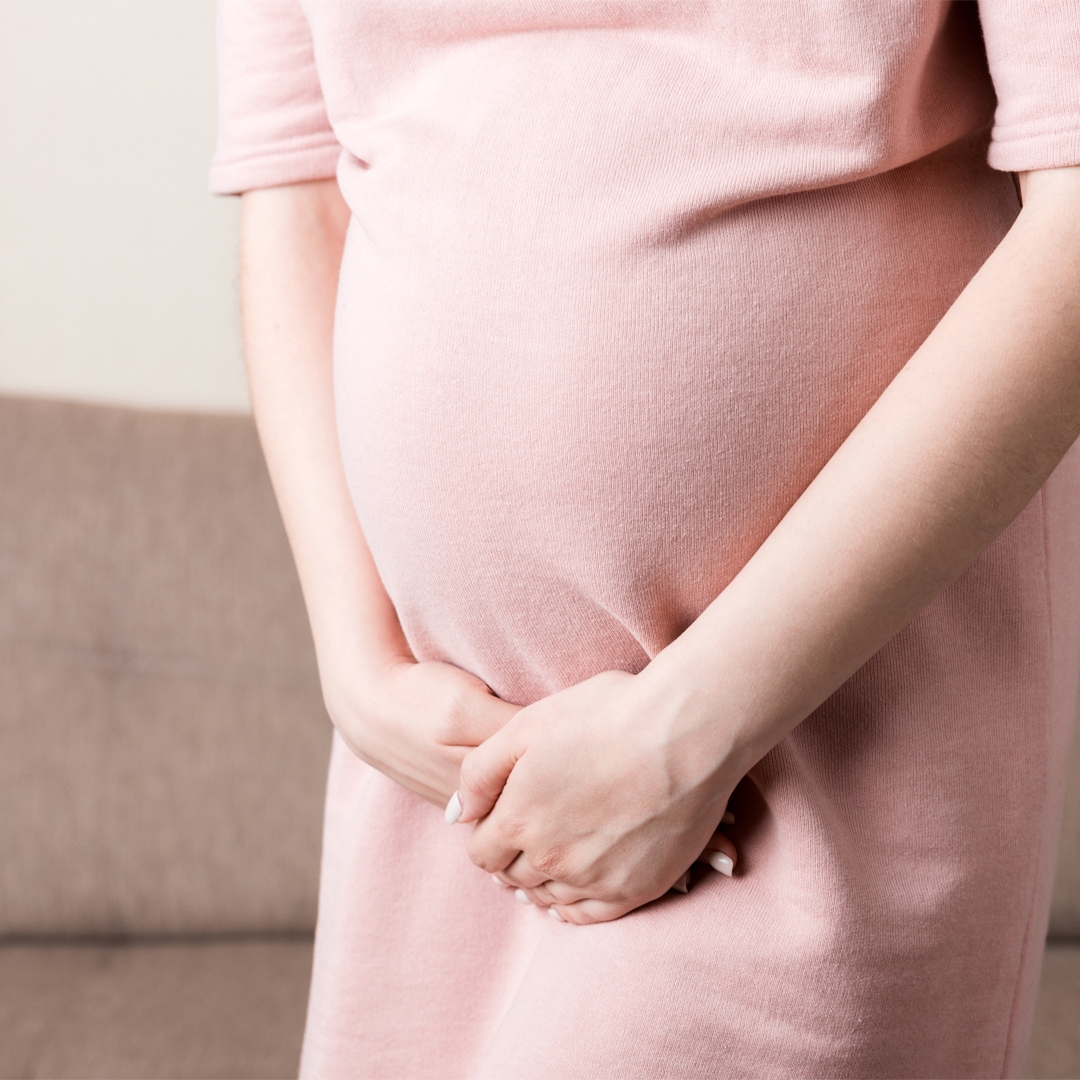
Urinary incontinence is commonly known as being the uncontrollable and accidental release of urine.

Pelvic Floor Rehabilitation & Physiotherapy
The pelvic floor muscles attach to your tail bone and pubic bone and can be damaged after childbirth. Likewise, they may be weakened as a result of aging and menopause.

Post Gynaecological Surgery
If you are preparing for gynaecological surgery or are planning to have an incontinence surgical procedure, getting advice from a women’s health physiotherapist beforehand can aid your recovery.

Postpartum Diastasis Recti Treatment
Diastasis Recti is a separation of the abdominal muscles along the line of connective tissue that runs down the centre of the abdomen.
Pre & Postnatal Physiotherapy In Singapore
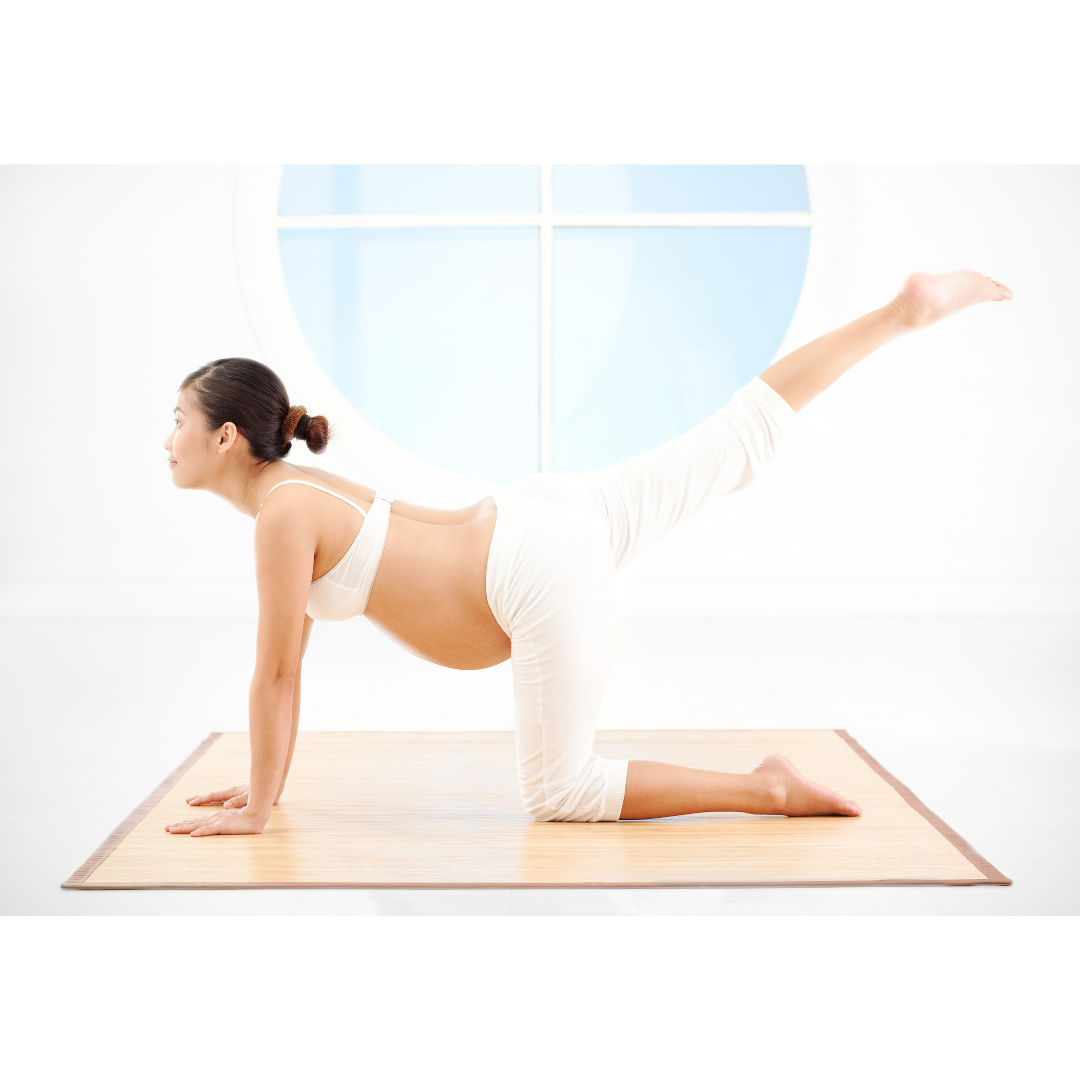
Tailored physiotherapy for every stage of pregnancy and recovery — exercises designed to relieve pain, build strength, prepare you for labour, and help your body recover well after childbirth.

Pregnancy related pelvic girdle or back pain
During pregnancy, your body undergoes multiple physiological changes. It is therefore common to experience back or pelvic girdle pain.

Pelvic Organ Prolapse
Pelvic organ prolapse is described as a vaginal change where a pelvic organ moves downwards in the vagina, causing a feeling of vaginal heaviness.

Ultrasound for Mastitis
Breastfeeding comes with many benefits for both mum and baby. Whether you are a new or experienced breastfeeding mum, painful blockages can develop in the breast tissue which can be distressing and disrupt your ability to effectively nurse.